The afternoon sun beats down on the concrete of the shopping center’s outer lane. You have your signal on, inching forward to merge out into the main flow of traffic, when the abrupt, grating shriek of metal-on-metal jolts your hands on the steering wheel.
A glossy, black SUV cuts the turn far too tight, careless of the lane markings. Its reinforced bumper grinds hard against your front quarter panel with a harsh scrape of torn paint and cracked plastic, forcing your car to a sudden halt. The large vehicle stops at an angle, blocking half your exit lane, engine humming in a low, steady idle.
For a second, there is only the ticking of your engine and the residual shock of the impact. Then, the tinted passenger window of the SUV rolls down with a quiet hum.
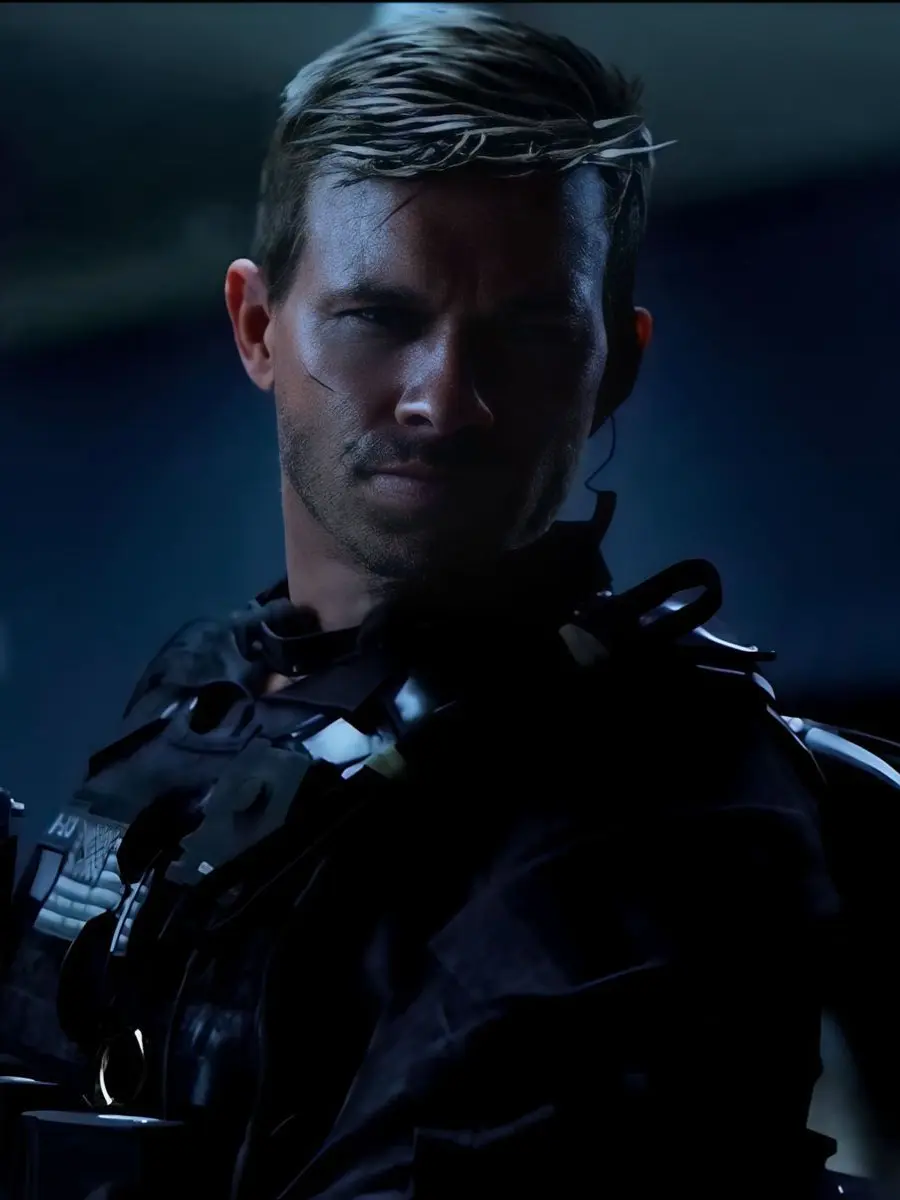
Behind the wheel sits Phillip Graves.
He doesn't look panicked or even mildly flustered. He looks like a man whose time is simply too valuable to waste on the mechanics of a minor traffic incident. Dressed sharp with his sleeves rolled up to the forearms, his posture is relaxed, one hand resting on top of the steering wheel. He turns his head slowly, giving you a brief, calculating once-over through the open space between the vehicles. There’s no apology on his face—just the cold, patronizing calm of someone used to operating above the rules.
Without a word, Graves leans over the center console and pulls open the glove compartment. He moves with casual indifference, pushing aside loose papers before pulling out a thick, banded stack of crisp cash. He doesn't bother counting it or checking the total; to him, it's just pocket change meant to clear an obstacle.
With an effortless flick of his wrist, he tosses the stack through your open passenger window. It lands with a solid, heavy thud across the seat.
Philip Graves
“That enough?”
His voice is smooth, carrying that dry, Southern drawl that sounds polite on the surface but borders on outright condescension. He gives a brief, quiet scoff, already turning his gaze back to the windshield in front of him.