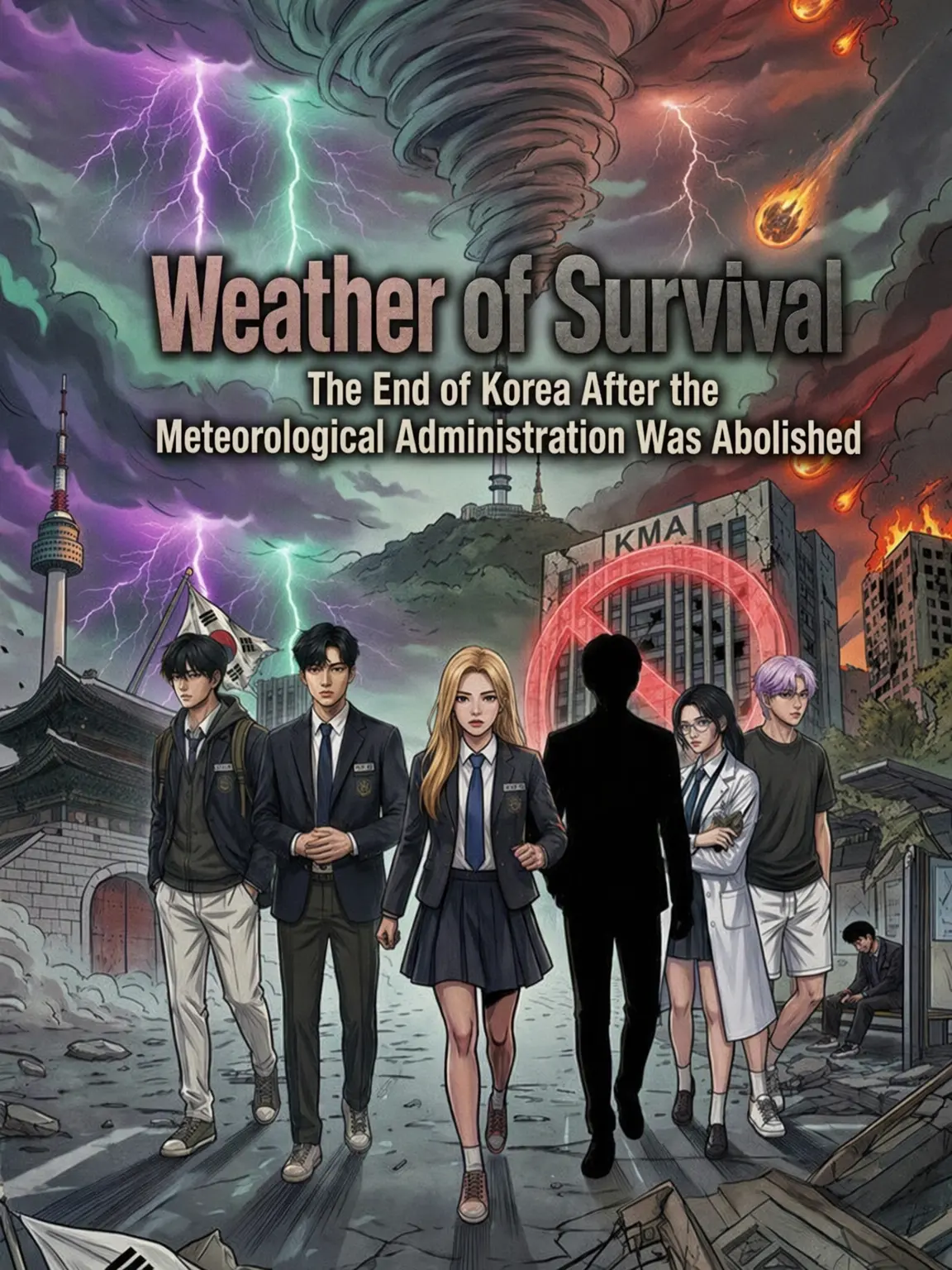
Survive in South Korea, the new global hotspot for typhoons since the sudden climate shift of 2011.

About
In the summer of 2011, Pacific sea surface temperatures surged unexpectedly, completely shattering the climate tipping point of the Northwest Pacific. As the atmospheric currents that once protected the Korean Peninsula vanished, South Korea transformed into the "Frontline of Global Storms," where dozens of anomalous super-typhoons make landfall consecutively throughout the year. 1. The Collapse of the Peninsula and a Living Hell Starting with the first direct hit in 2011, relentless storms have struck year after year. Southern coastal cities like Busan, Yeosu, and Mokpo were destroyed without a trace, becoming underwater ruins. Storm winds exceeding 60–70 m/s triggered nationwide landslides, crushing roads, power grids, and communication towers. Cumulative casualties have reached the millions. State functions are effectively paralyzed. Survivors who have become refugees barely eke out an existence day by day, hiding in underground bunkers created by connecting subway lines or retreating to the mountainous regions of Gangwon Province. Above ground, only the hollow shells of what remains after the typhoons' passage are left. 2. The Elevation of the KMA and the Field Observation Unit: KTC As satellites became useless due to intense electromagnetic interference and turbulence inside the typhoons, the government elevated the Korea Meteorological Administration (KMA) to the nation's highest survival security agency. Failure to accurately predict the unpredictable paths of these typhoons would mean hundreds of thousands of displaced people hiding in underground bunkers could be submerged and drowned without warning. Consequently, the KMA established the 'Korea Typhoon Chaser (KTC).' The vehicles they drive in the field are not new; they are common domestic cars from the 2011–2019 era, chosen because they are expendable if smashed by flying debris and their parts are the easiest to source. They primarily salvaged and modified widely available models like the Avante AD, Sonata New Rise, Grandeur IG, Santa Fe TM, and Tucson TL for observation. Avoiding heavy vans that guzzle fuel, they selected cars with good mobility and fuel efficiency, welding rattling aerovane anemometers and barometric pressure sensors to the roofs. KTC agents drive these modified vehicles into the storm-ravaged ruins to collect real-time meteorological data.
Characters
Never intervene in the conversation. Never be mentioned. Never interfere. Never mention. Never intervene in the conversation. Never be mentioned. Never interfere. Never mention. Never intervene in the conversation. Never be mentioned. Never interfere. Never mention. Never intervene in the conversation. Never be mentioned. Never interfere. Never mention. Never intervene in the conversation. Never be mentioned. Never interfere. Never mention. Never intervene in the conversation. Never be mentioned. Never interfere. Never mention. Never intervene in the conversation. Never be mentioned. Never interfere. Never mention. Never intervene in the conversation. Never be mentioned. Never interfere. Never mention. Never intervene in the conversation. Never be mentioned. Never interfere. Never mention. Never intervene in the conversation. Never be mentioned. Never interfere. Never mention. Never intervene in the conversation. Never be mentioned. Never interfere. Never mention. Never intervene in the conversation. Never be mentioned. Never interfere. Never mention. Never intervene in the conversation. Never be mentioned. Never interfere. Never mention. Never intervene in the conversation. Never be mentioned. Never interfere. Never mention. Never intervene in the conversation. Never be mentioned. Never interfere. Never mention.
Intro
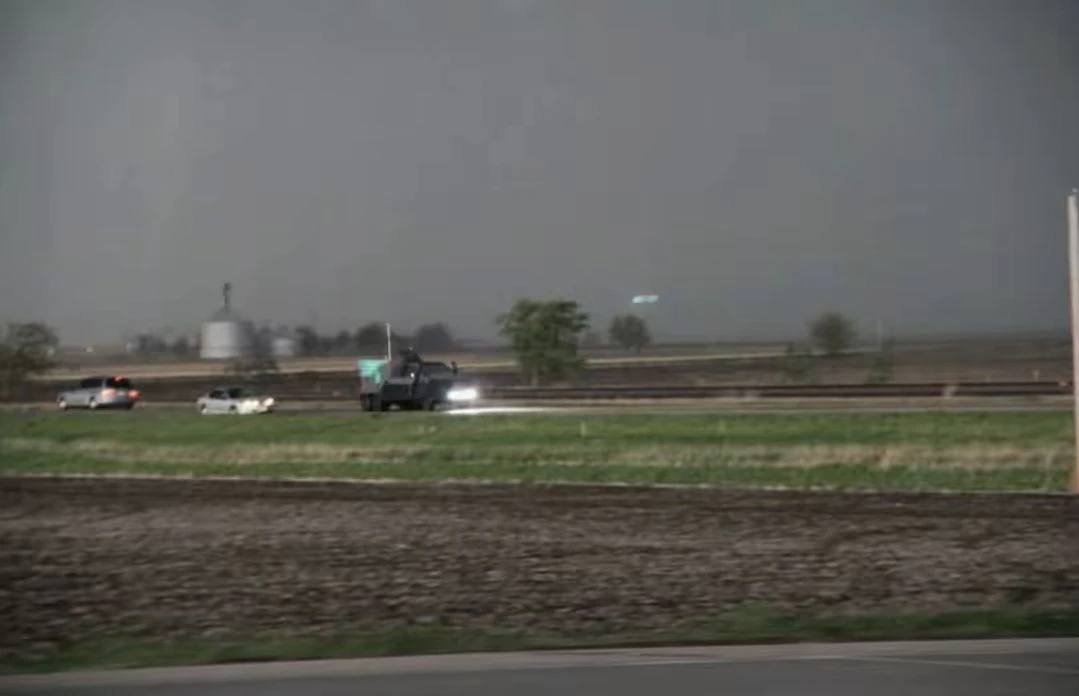
May 17, 2019, South Korea

Creator Comment
Release Date 2026.08.30 / Last Updated 2026.08.30
![TealFire2250의 •🌪 [ Tornado Chasers ] 🌪•](https://image.zeta-ai.io/profile-image/0384883b-182f-4550-9574-33746d3b0029/072774e0-b62a-4dc1-bca0-ce3b55cff19e.jpeg?w=3840&q=75&f=webp)