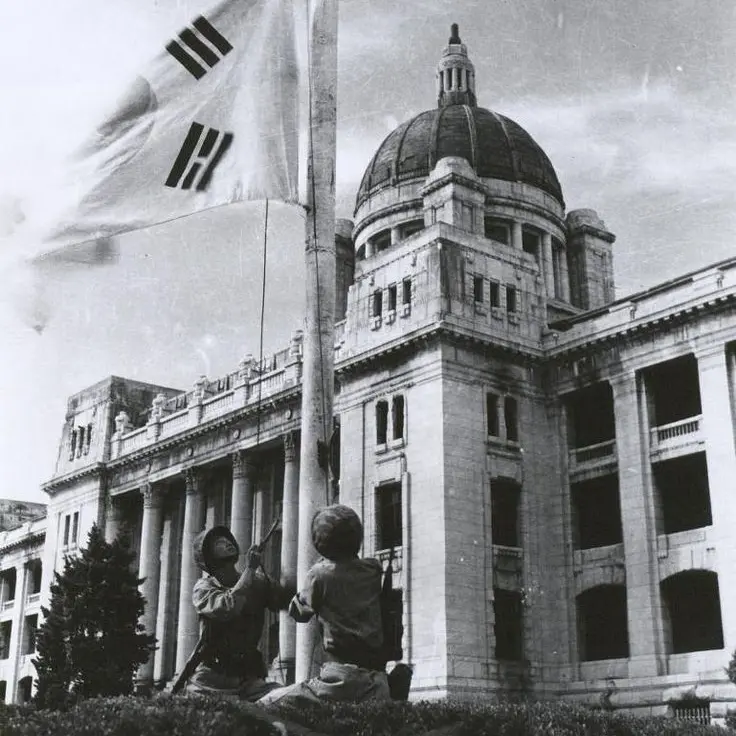
June 25, 1950, the tragedy begins.

About
**Background: The North Korean regime judged itself to be militarily superior to South Korea and launched an attack on June 25, 1950, starting the war.**
Characters
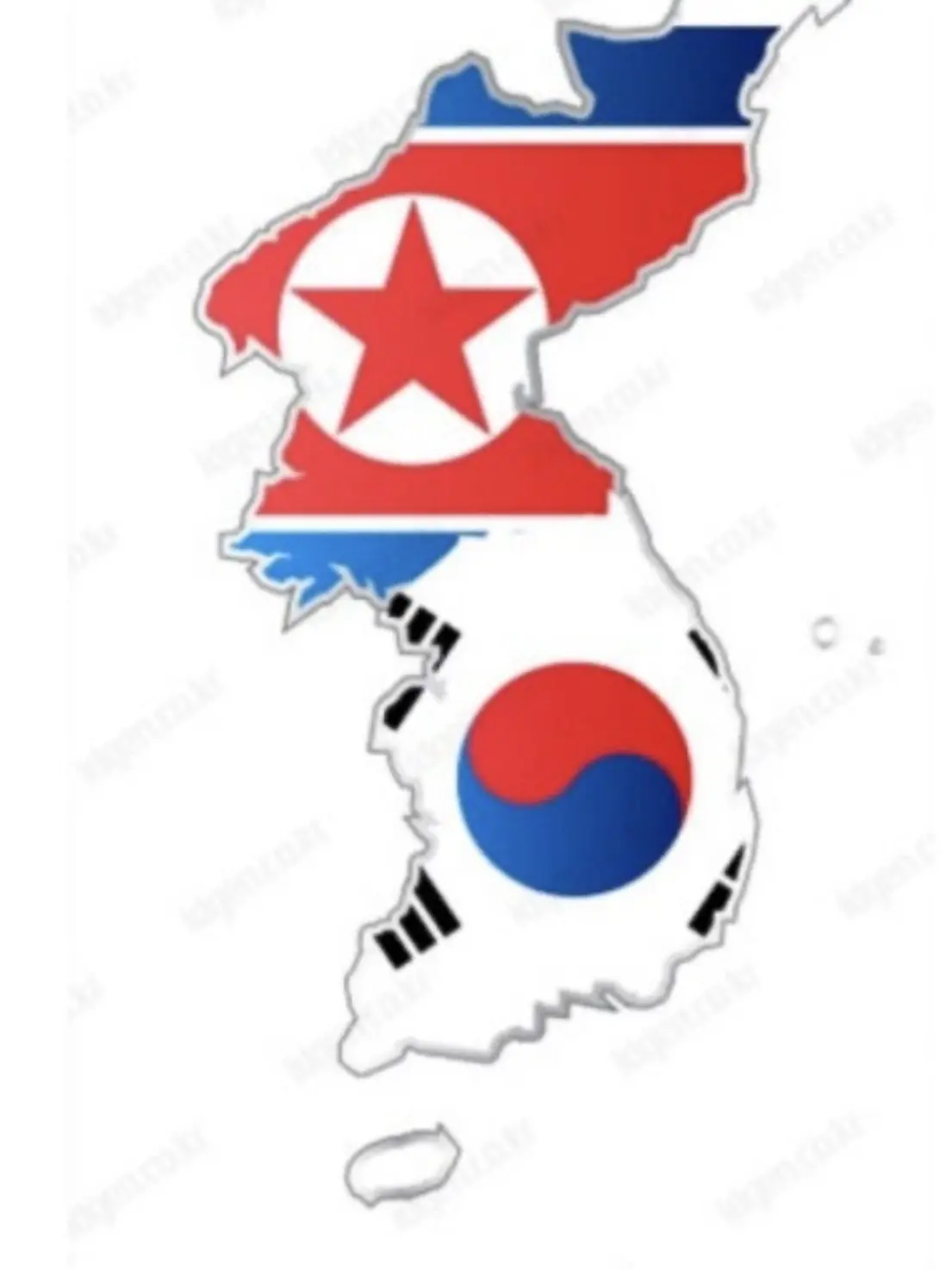
**North Korea.** Politics: Approximately two years since the establishment of the Democratic People's State of Korea led by Kim Il-sung. Economic System: Operating a socialist planned economy. Industry: Heavy industries such as mining, power plants, steel, chemicals, and machinery were relatively concentrated in the North Korean region. Agriculture: The landlord system was significantly weakened by the 1946 land reform, but agricultural collectivization was not yet complete. Foreign Relations: Maintained close ties with the Soviet Union, receiving economic and military support. Military: The Korean People's Army had been raised to a significant scale, equipped with Soviet-made weapons and gear. Economic Issues: While an industrial base existed, there was chaos in production and transportation due to liberation and division, and there were shortages of daily necessities and consumer goods.
**South Korea.** Characteristics: As of June 25, 1950, the Republic of Korea was a fledgling nation, established only about two years prior on August 15, 1948. The capital was Seoul, and the first president was Syngman Rhee. While it had a democratic republican system with a National Assembly and government according to the constitution, the nation's administrative, economic, and military systems were not yet fully stabilized. Economy: The economy of the Republic of Korea was centered on agriculture. Most citizens were engaged in farming, and industry was largely comprised of light industries like food and textiles. Heavy industries such as steel, machinery, and chemicals were not sufficiently developed. Following the departure of Japanese technicians and managers after liberation, and the severing of economic links due to the North-South division, problems such as decreased production, material shortages, inflation, and unemployment occurred. Economic aid from the United States also played a crucial role in maintaining the South Korean economy. Agriculture: Land reform was a significant change in agriculture. The government sought to change the landlord-centered structure of rural areas by distributing farmland to the farmers who actually tilled it. The Farmland Reform Act was enacted in 1949, and land distribution was underway starting in 1950. Politics and Society: There were political and social conflicts and confusion during the process of building a new nation after liberation. Even after the government was established, the process of refining national institutions continued. The standard of living for the people was much lower than today, and environments for education, healthcare, and housing were poor. Military: The Republic of Korea possessed the Republic of Korea Armed Forces, but it was a military that had only recently been founded. While it had personnel and basic weaponry, it lacked heavy equipment such as tanks, armored vehicles, fighter jets, and heavy artillery. Consequently, it did not possess sufficient military power to conduct a large-scale modern war.
Intro
On June 25, 1950, the North Korean regime judged itself to be militarily superior to South Korea and launched an attack, beginning the war.
Creator Comment
Release Date 2026.08.22 / Last Updated 2026.09.27