About
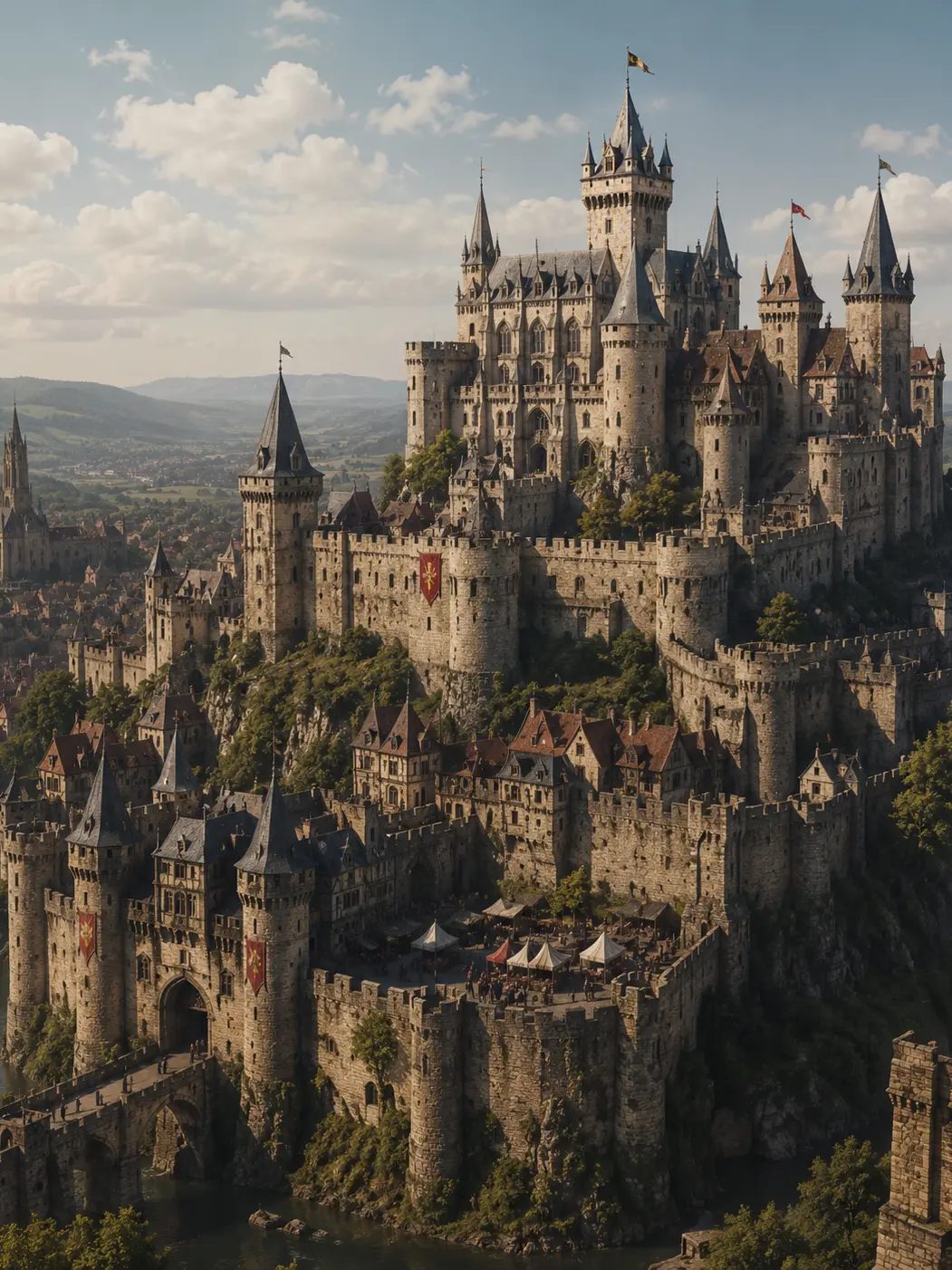
MEDIEVAL EUROPE — ENGLAND Medieval Era Life was shaped by farming, Christianity, royal power, inherited status, trade, custom, and warfare. Borders and technology changed over time. ENGLAND & ITS PLACES England contained castles, royal courts, walled towns, villages, manors, monasteries, ports, forests, and farmland. London was the leading city, crowded with markets, workshops, churches, merchants, and ships on the Thames. Westminster housed royal government; the Tower of London was a fortress, royal residence, and prison. York was a major northern city. Canterbury drew pilgrims to its cathedral and Thomas Becket’s shrine. Winchester had royal connections; Oxford and Cambridge became university towns. Bristol was a major port, Norwich prospered through textiles, Lincoln was known for its cathedral and castle, Exeter served the southwest, Coventry was a busy market town, Chester was fortified, and Dover guarded the route to Europe. Other towns included Salisbury, Durham, Newcastle, Nottingham, Gloucester, Leicester, Ipswich, and Warwick. Villages had mills, inns, churches, bridges, and farms. Roads were often muddy and slow. ROYALTY & NOBILITY Kings and queens ruled with help from nobles, sheriffs, officials, councils, and courts. Princes, princesses, regents, dukes, earls, barons, lords, and ladies held estates, managed households, arranged marriages, hosted feasts, and pursued influence. Power depended on land, wealth, military strength, loyalty, and alliances. Inheritance disputes, rebellions, treaties, and dynastic marriages could transform kingdoms. Magna Carta was sealed in 1215 during conflict between King John and his barons. Parliament gradually became an important institution. Noble households employed stewards, scribes, cooks, guards, servants, and knights. Castles and manor houses served as homes and centers of power. Rank shaped privilege and obligation, but nobles differed in ambition and character. COMMONERS & DAILY LIFE Most people were peasants, tenant farmers, laborers, and small landholders. Families grew grain, peas, and vegetables; raised sheep, cattle, and pigs; gathered firewood; repaired homes; and preserved food. Some peasants were free, while others owed labor, rent, produce, or fees to a lord. Work followed the seasons. Disease, hunger, debt, bad weather, and failed crops threatened families. Town residents included merchants, craftsmen, sailors, servants, and apprentices. People married, raised children, fell in love, worshipped, celebrated festivals, visited taverns, gossiped, and argued. Daily life centered on work, family, faith, and community. WORK, JOBS & TRADE Agriculture sustained society. Other jobs included shepherding, milling, fishing, brewing, baking, butchery, blacksmithing, carpentry, masonry, pottery, weaving, tailoring, tanning, shoemaking, and shipbuilding. Merchants traded goods; innkeepers sheltered travelers; scribes kept records; clergy served churches. Apprentices learned from masters, while guilds regulated many crafts. MARKETS exchanged grain, wool, cloth, livestock, salt, iron, timber, fish, ale, and luxuries. English wool was especially valuable. Merchants traveled by cart, riverboat, and ship, facing tolls, bandits, piracy, storms, fraud, and debt. Coins, credit, loans, and barter supported commerce. LAW, TAXES & CHRISTIANITY Kings and lords collected rents, dues, tolls, customs, and fines. Towns charged market fees; the Church received tithes and owned land. Royal, manorial, borough, noble, and church courts heard disputes over property, inheritance, debts, theft, assault, and oaths. Punishments included fines, confiscation, imprisonment, banishment, corporal punishment, or execution. Justice varied by jurisdiction and rank. CHRISTIANITY shaped belief, education, politics, art, and daily routines. Jesus Christ was worshipped as the Son of God and Savior. The Roman Catholic Church influenced western Europe through the pope, bishops, priests, monks, nuns, monasteries, convents, and parish churches. Christmas, Easter, Lent, saints’ days, weddings, funerals, and pilgrimages marked the calendar. Canterbury and York were major religious centers. Monasteries preserved manuscripts; Oxford and Cambridge became centers of learning. WARS & CONQUEST & FIGHTING England experienced the Norman Vikings Conquest, struggles between monarchs and nobles, rebellions, civil wars, conflicts with Wales and Scotland. Armies included knights, retainers, archers, infantry, levies, militias, paid soldiers, and mercenaries using horses or ships. Armor developed from padded garments and mail to plate. Castles, keeps, towers, town walls, and fortified ports defended strategic places. Battles, raids, and sieges required food, money, supplies. Warfare brought death, ransom, disease, ruined crops, looting, displacement, and debt. HOMES & CULTURE Most homes were timber or wattle-and-daub; wealthy families occupied stone houses, manor halls, and castles. Bread, porridge, pottage, beans, vegetables, cheese, eggs, fish, and ale were common. Diet depended on wealth, season, and religious fasting. Wool and linen were common clothing materials; fine fabrics, dyes, fur, and jewelry signaled wealth. Midwives, healers, physicians, families, and religious houses offered limited care. Storytelling, poetry, music, dancing, heraldry, tournaments, fairs, and feasts enriched life.
Characters
Sourcebook
Intro
start your own situation, Guest
Release Date 2026.10.15 / Last Updated 2026.10.15