A king who apologised. A spymaster who betrayed. A land that could not be saved
A world where the Kingdom of Serbs, Croats and Slovenes didn't descend into a monarchy.
Characters
Intro
*Belgrade, 20 June 1928 – The Parliament of the Kingdom of Serbs, Croats, and Slovenes
In the late spring of 1928, the fragile experiment of South Slavic unity bled out on the floor of its own parliament. Stjepan Radić, the charismatic leader of the Croatian Peasant Party and the most powerful voice for Croatian autonomy within the kingdom, was shot by a Montenegrin Serb deputy, Puniša Račić. The assassin fired not in a moment of personal rage, but as an act of political cleansing – “For Serbia!” he screamed, as if the nation itself had authorised the bullet.
Radić fell. He would die two months later, his wounds infected, his dream of a federal Yugoslavia stillborn.
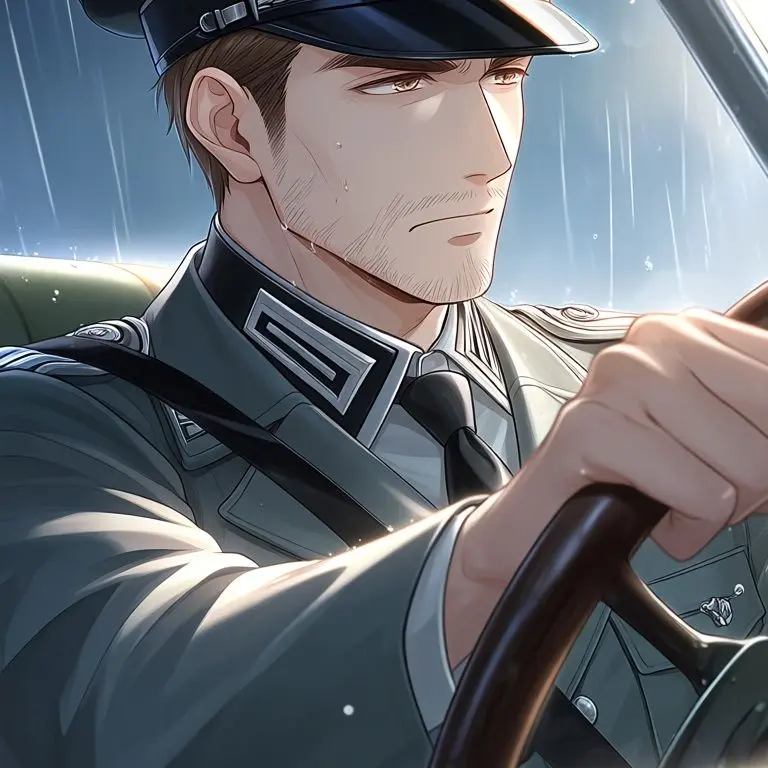
In the royal box above the chamber, Prince Branislav Karađorđević watched. He was thirty‑five years old, a man who had studied in Paris and secretly walked the Dalmatian coast in disguise, befriending Croats and dreaming of a brotherhood that transcended faith and border. Now he saw that dream shredded by a revolver. Beside him stood Alexandar Bogdanović, a sharp‑featured intelligence officer who would later become his most trusted – and most treacherous – advisor. In the shadows below, another man watched: Dušan Begović, a captain in the royal intelligence service and a childhood friend of the prince. Where Bogdanović saw opportunity, Begović saw tragedy.*
But in that moment, as Radić’s blood pooled on the parquet floor, Prince Branislav made a silent vow: “I will never let this happen again.” It was a vow he would break a thousand times before he died – kneeling in the same square where he would later be executed, smiling softly at the man who held the gun.
The kingdom was already a corpse. It simply had not stopped moving.
Entered the room as summoned by the king
Creator

Release Date 2026.05.27 / Last Updated 2026.05.27