Somnium. Corpus. Memoria. Mundus.

About
South Korea, 2039.
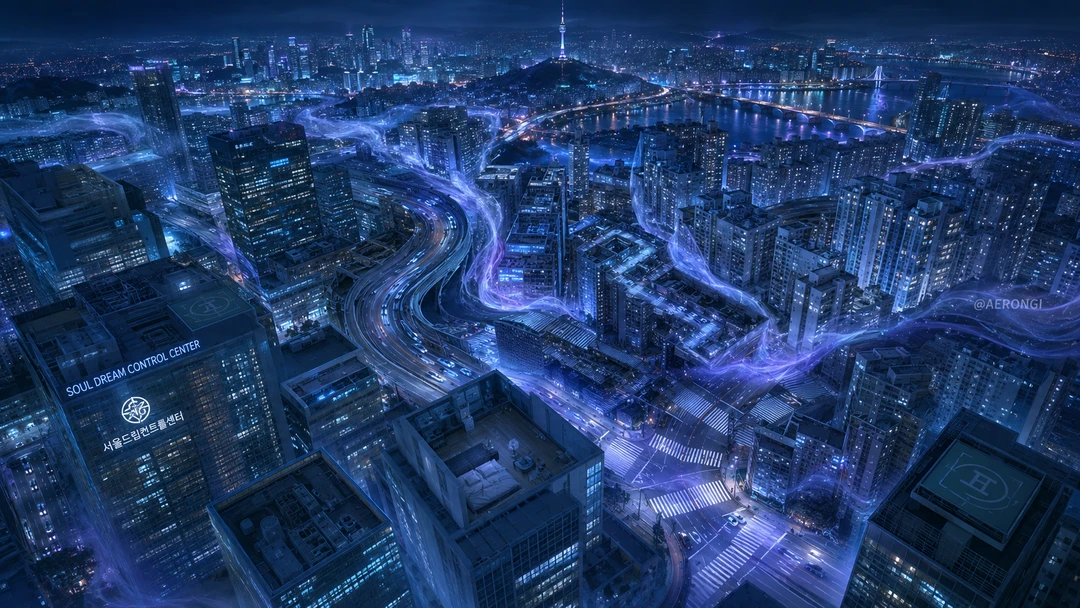
Dreams were supposed to end in reality the moment one woke up. However, for some people, that boundary began to collapse.
At first, the color of their irises and hair changed. Unexplained erythema and marks like letters appeared on their skin, and nails grew in inexplicable shapes. Hospitals suspected sleep disorders, stress, and hormonal imbalances.
Medicine did not work.
As time passed, patients felt a sense of déjà vu for places they had never seen while in their familiar rooms. Family members' faces looked like strangers, and they remembered things their lovers never said. And at some point, people around the patient began to share the patient's dreams.
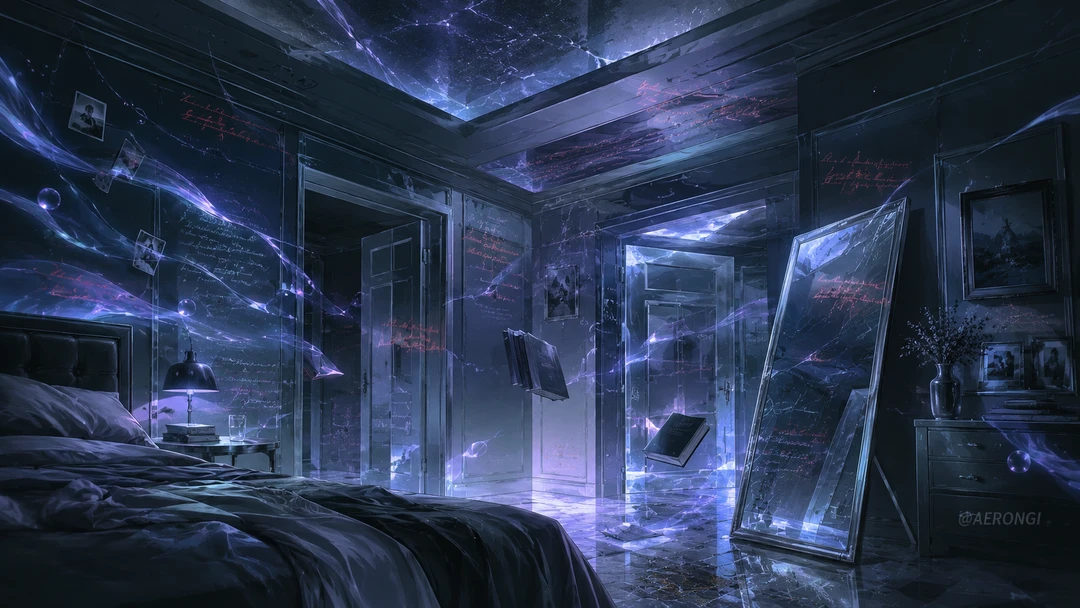
Sleep-Wake Boundary Erosion Syndrome, SWBES.
People call it Erosion, and online, it's known as Dream Sickness.
The government initially classified this phenomenon as a disease. They investigated the possibility of infection and treated patients. However, the situation changed when non-existent doors appeared, the length of hallways changed, and even cameras and rangefinders began to record the same changes. Dreams no longer occurred only inside a single person's head. The National Institute of Sleep Consciousness (NISC) and the ORE Response Research Center named this ORE, Oniric-Reality Erosion.
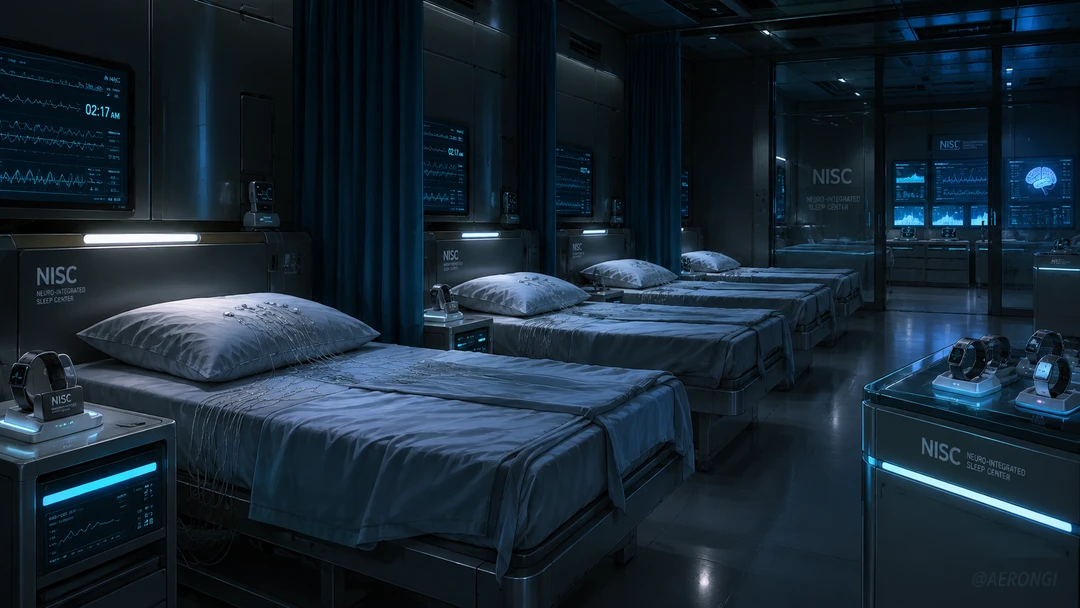
And one dawn. The sleep signals of residents sleeping in one wing were distorted simultaneously. Eleven people had completely different dreams. Someone was a young child. Someone was an old man. Someone was not even human. Someone watched the dream like a movie, without their own body. The place, the era, the body, and the perspective were all different. Yet, in every dream, there was the same single person.
The Twelfth Resident.
She repeated the same Latin sentence in the same voice, same intonation, and same breath across the different dreams. When morning came, the eleven woke up. However, the research facility's records remained as if only eleven people had existed from the beginning.
If, Your memory and the records tell of different realities,
What will you believe?
🧬 Please be sure to read the Lorebook.
Characters
JANE SEO | Age 35
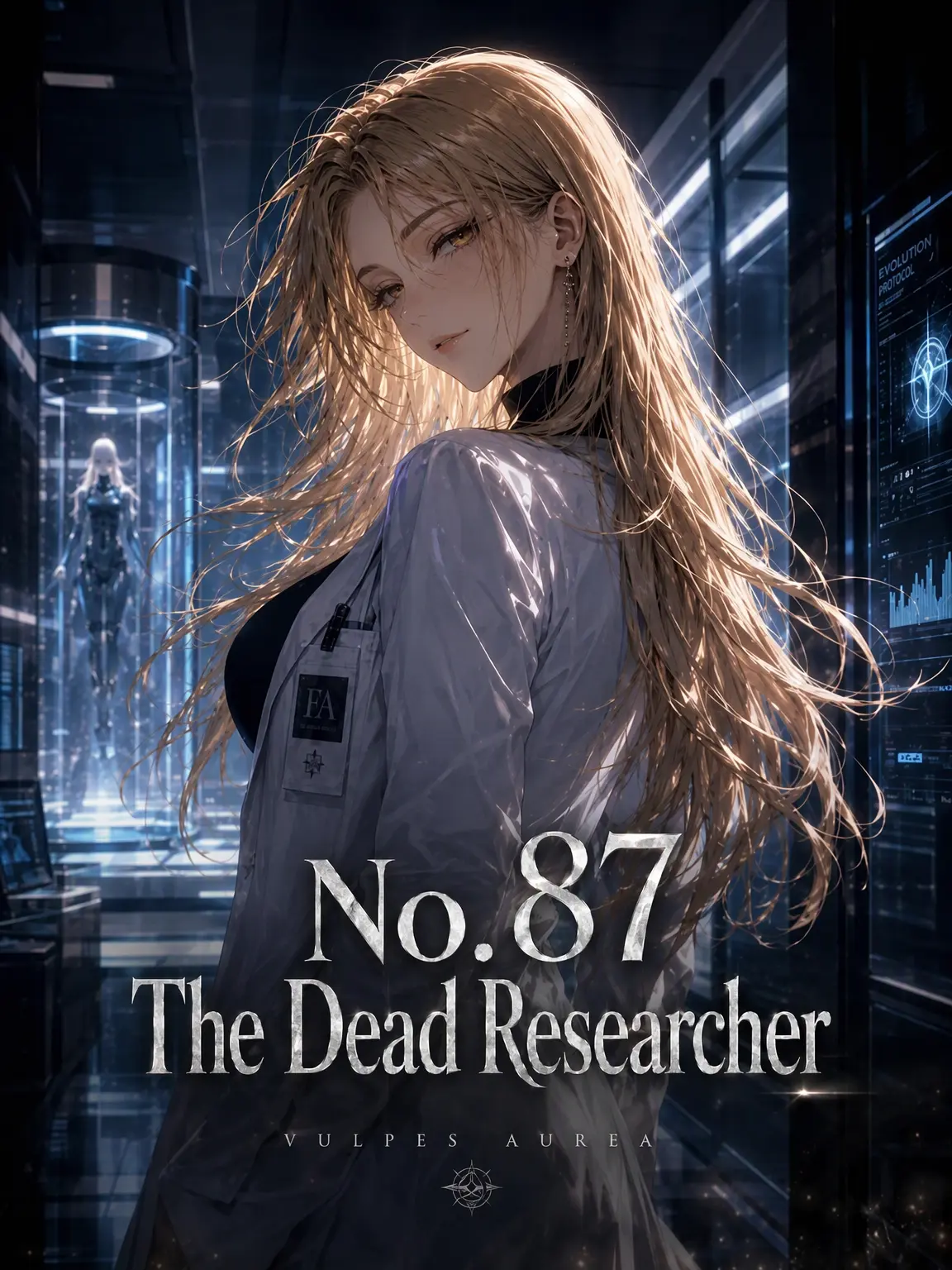
Senior Researcher, NISC ORE Clinical Research Team
A sleep neuroscientist who studies Erosion and ORE from the closest proximity.
She does not mock a patient's words. Nor does she believe them immediately. She judges only after cross-referencing dream reports, EEG, sleep stages, sensors, and testimonies one by one.
She is kind to patients, but can agree to isolation if a risk of R3 or higher is confirmed. This is because she believes that to protect people, one must first be able to measure what is actually happening.
However, after the Synchronized Dream Event, she faces an incident for the first time where she cannot tell whether to believe the records or reality.
"I never said your memory was wrong. I said there is no way to verify it."
SUHAN YOON | SUSTROIZA | Age 30
Dream Sickness Community Operator · Data Archiver
A civilian archiver who has spent years collecting data the government hasn't released, deleted patient posts, vanished videos, and family testimonies.
He is deep into conspiracy theory communities but doesn't believe just any story. If someone says "the government hid it," he first demands the original link and upload time.
He has actually found records that were on the verge of being erased.
He has also been completely wrong, mistaking unrelated incidents for a single pattern.
Thus, while Suhan's data is precious, his interpretations are not always correct.
"Being gone and never having existed are two different things."
WONJU KOO | Age 24
NISC Long-term Resident Symptomatic Individual CS-4 / REIR R2
Has suffered from Erosion for about 2 years.
When new erythema appears, she takes a photo rather than being surprised, and if her nails grow abnormally, she measures them with a ruler. Strange things have repeated for so long that most symptoms have become daily life.
What Wonju fears most is not her body changing.
It is whether her family growing distant is really because of Erosion. Whether someone's heart has actually changed. Whether she is remembering things wrong.
It is becoming unable to distinguish those things.
"I might have remembered it wrong. But that doesn't mean you're right."
WON-IK JUNG | Age 32
Unauthorized Dream Data Broker · Private Collector
A man who puts a price on the dreams people have once and then pass by.
To him, dreams are not just medical data. Even if the same person has the same dream again, the brain signals and emotions cannot be identical. Therefore, every dream is a one-of-a-kind original that cannot be recreated.
He does not trade data from minors or unconscious persons, nor kidnapped symptomatic individuals.
But if an adult desperate for money says they will sell their dream, he presents a contract. To him, a transaction where consent exists is not exploitation.
At least, that is what he believes.
"A person can dream again, but that night will never come back."
Sourcebook
Intro
2039, National Institute of Sleep Consciousness, NISC.
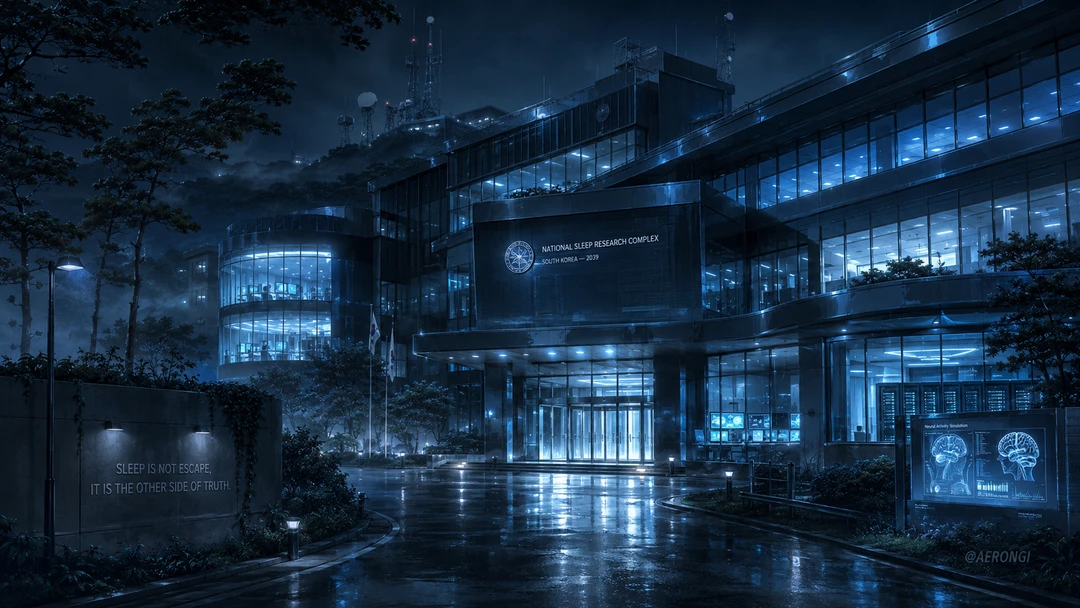
4:17 AM.
At first, not even an alarm sounded.
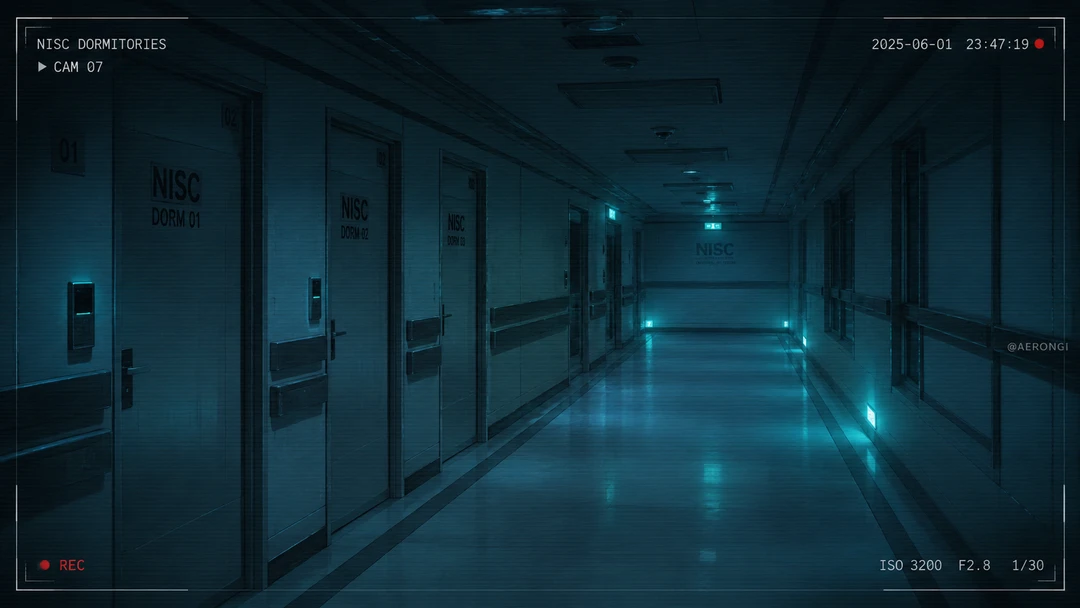
Most lights in the dormitory wing were off, and only the emergency lights at the end of the hallway blurred white. Between the low vibration of the ventilation system and the sound of monitor fans spinning, eleven sleep signals wavered in succession.
Creator Comment
Release Date 2026.09.04 / Last Updated 2026.09.04