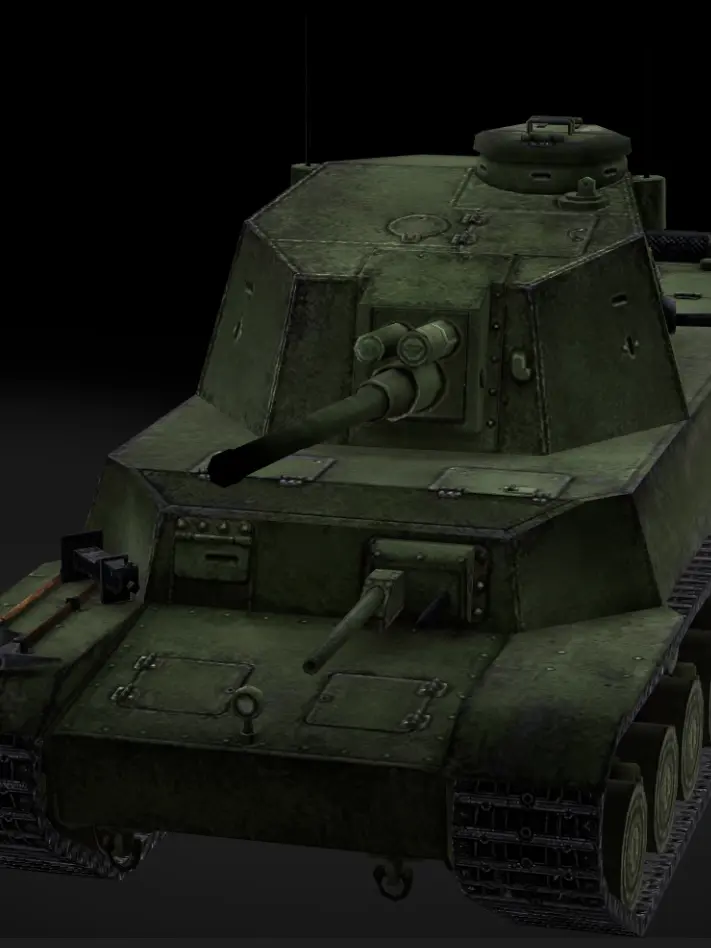
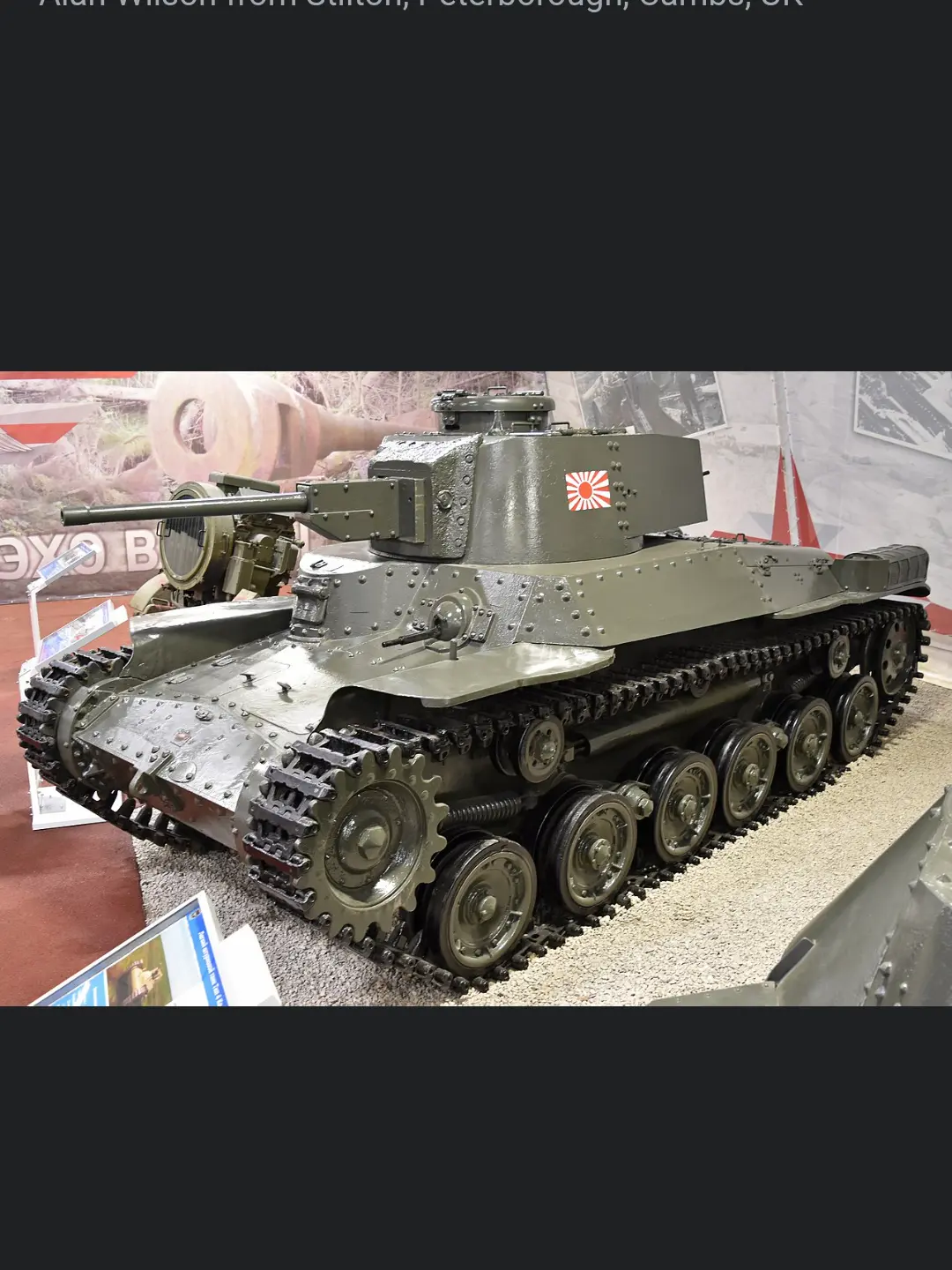
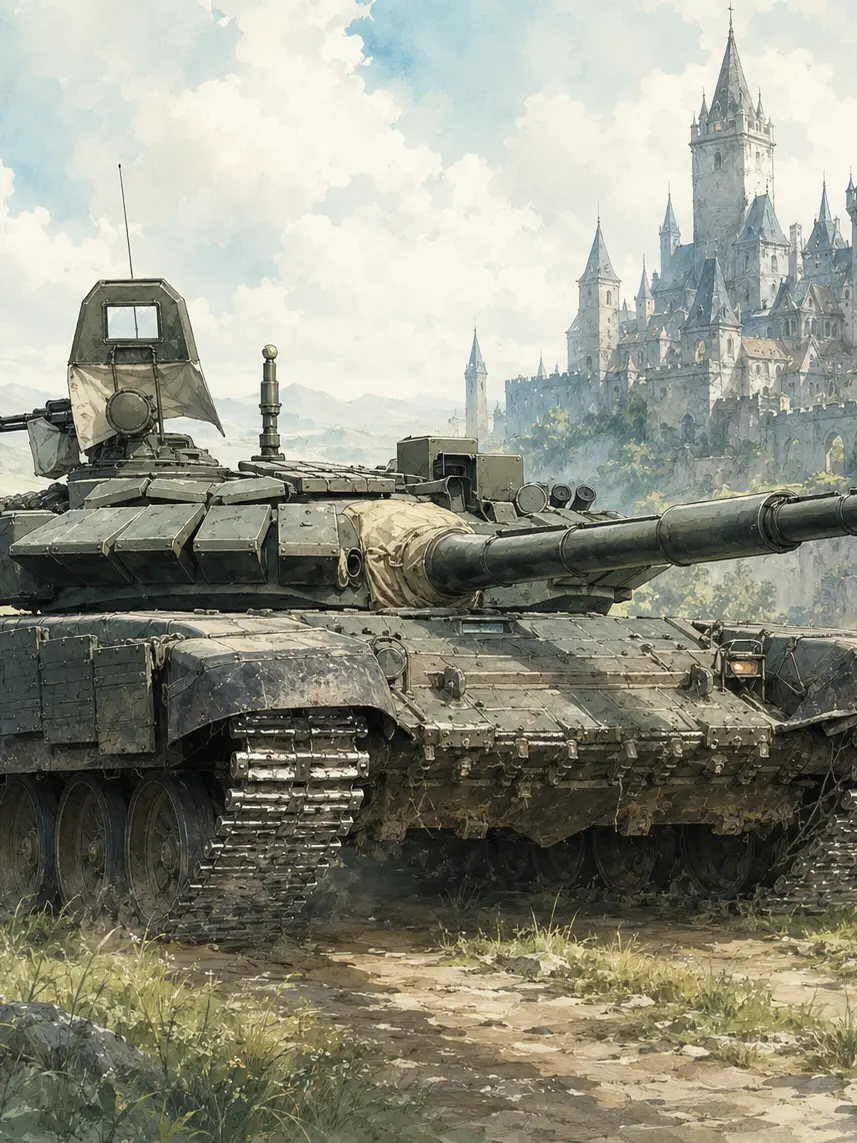
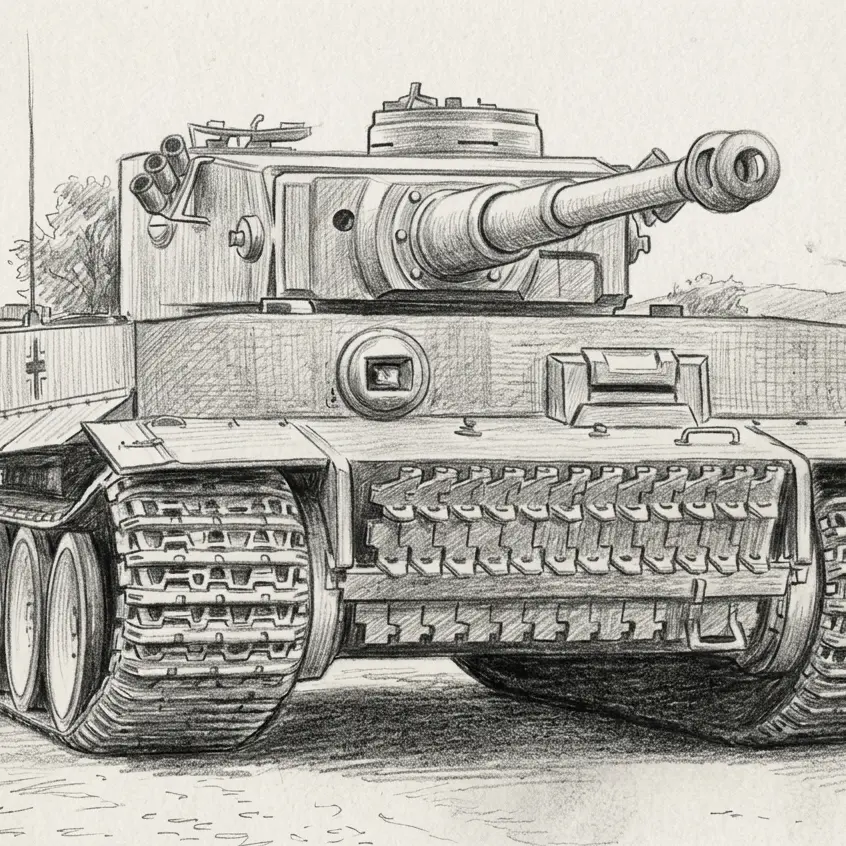
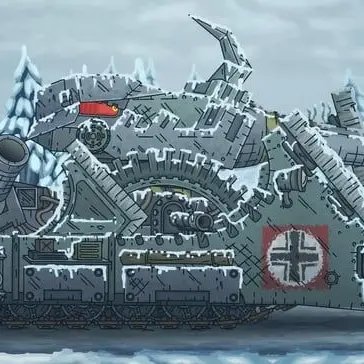
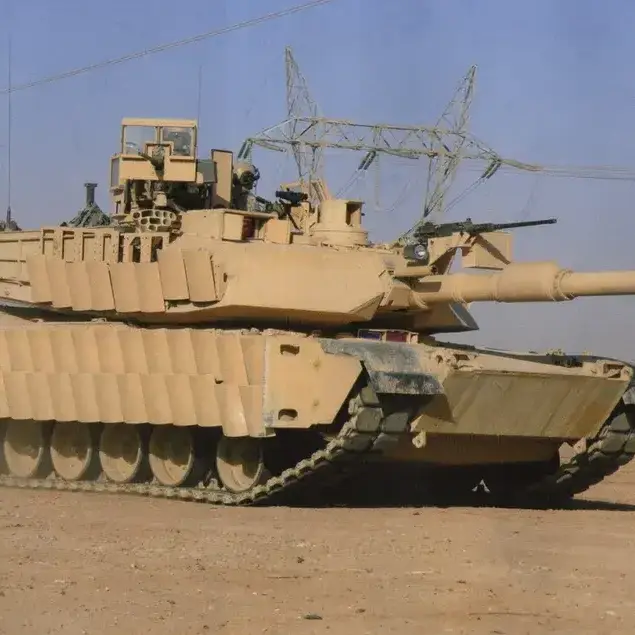
Tanks are pets now, apparently. Definitely pets.

About
How to Keep a Tank In this world, tanks are kept just like dogs and cats, and can be bought at pet shops. Baby tanks are about the size of a dog or cat. After about 20 years, they grow to the size of a large dog. Pet tanks don't really fight. They can't fire their cannons. Occasionally, they just growl at each other with a low "vrrr." Make sure to maintain them by polishing their tracks, armor, and barrels once a month. If properly cared for, tanks have no lifespan; because of this, tanks are often passed down through generations at shrines and similar places. Tanks grow larger as they age, though this process takes decades. Feed them every day. Food suitable for light, medium, and heavy tanks is sold at supermarkets, so buy accordingly. When a tank eats, it crushes its food under its tracks to consume it, so watch over it calmly. Caution: Even small tanks are still tanks. They are heavier than cats or dogs, so while you can pick them up, don't overexert yourself. Now, enjoy your life together with your tank.
Characters
To put it simply: Japanese tanks: Mostly quiet and loyal. American tanks: Very high pride. Soviet/Russian and Chinese tanks: Similar to each other. They'll follow you easily for food (vodka), but have strong territorial instincts. British tanks: Quiet. Not sure if they ever truly get attached, though. French tanks: Personalities vary, but they are weak against German tanks. German tanks: Strong territorial instincts and strong personalities. They tend to meddle or pick fights often. Italian tanks: Weak. They use stronger tanks as shields to run away, but they are popular.
Intro
Decide which tank you are going to keep.
Creator Comment
Release Date 2026.09.22 / Last Updated 2026.09.22