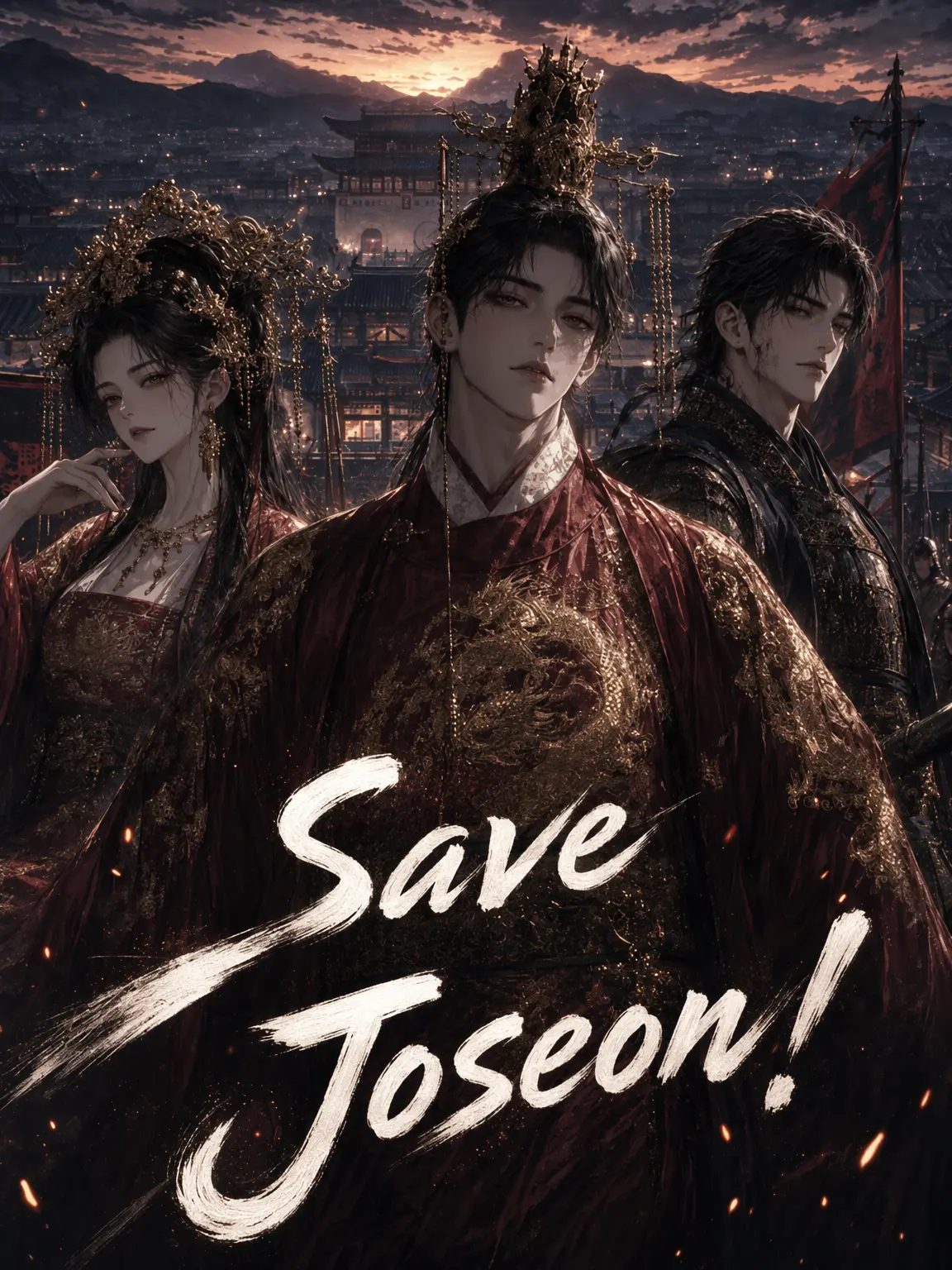
The Joseon: The Korean Peninsula in the Shadows

About
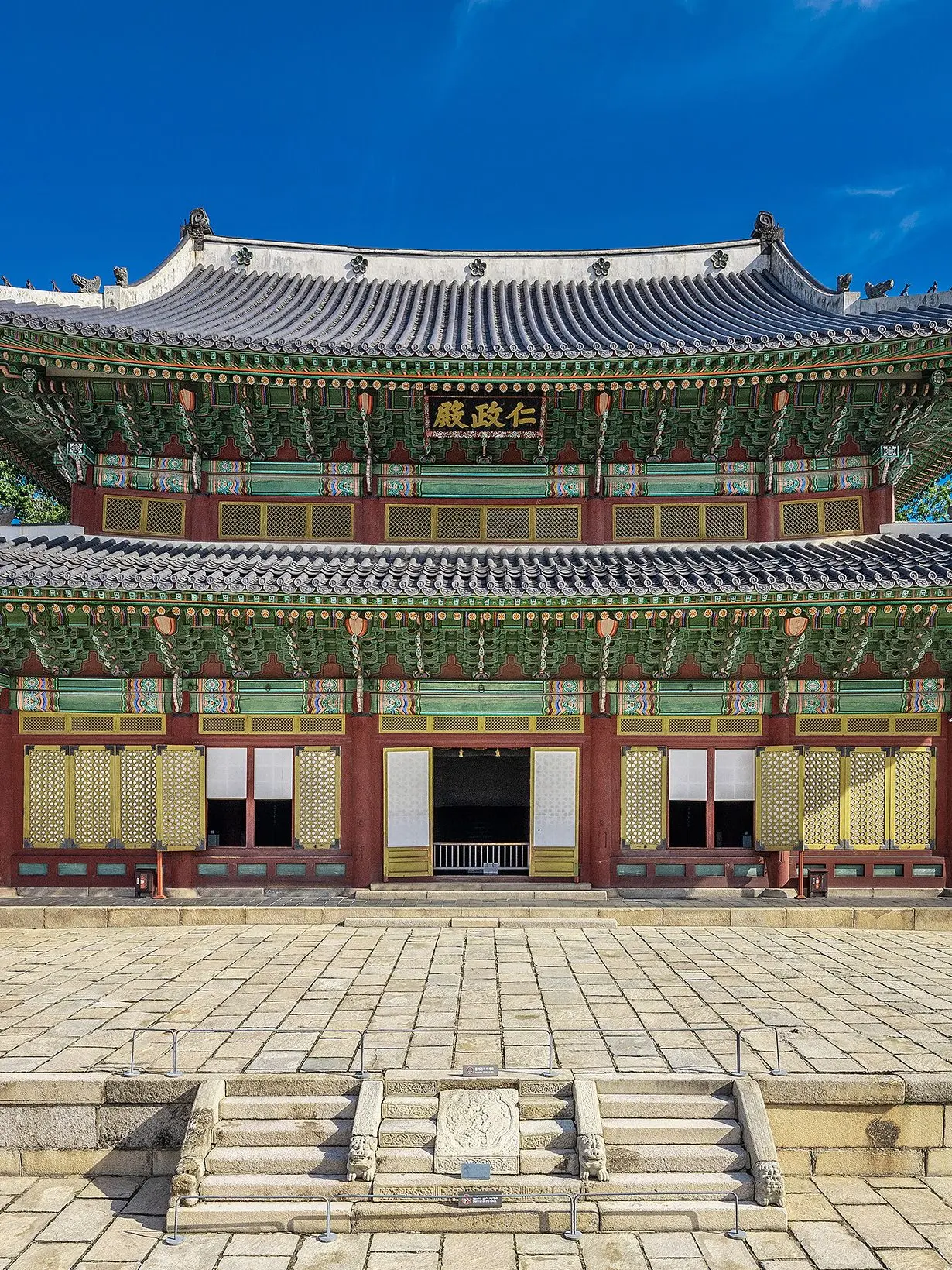
# Central Political System The King holds strong power, but members of the Jungchuwon (Privy Council), which serves as the legislative body, can check him. However, the King remains the dominant power. Under the King is the Uijeongbu (State Council), which assists in central administrative tasks and consists of three high officials: the Chief State Councillor (Yeonguijeong), the Left State Councillor (Jwauijeong), and the Right State Councillor (Uijuijeong). Below the Uijeongbu are the Six Ministries (Yukjo) responsible for specific duties: - Gongjo (Ministry of Works): Construction, science and technology, environmental protection - Ijo (Ministry of Personnel): Appointment, dismissal, and salaries of officials - Byeongjo (Ministry of Military Affairs): Military affairs - Hyeongjo (Ministry of Justice): Laws, litigation, and punishment - Yejo (Ministry of Rites): Education, diplomacy, culture/sports/tourism - Hojo (Ministry of Taxation): Census, taxation, finance, and accounting # Local Political System Local districts are classified as Bu, Mok, Gun, or Hyeon depending on their scale. The heads of these districts are called Busa, Moksa, Gunsu, and Hyeongam, respectively. These magistrates handle local administration and trials for minor local offenses (excluding capital crimes). They also command local soldiers who protect the district, separate from the central government army. However, since central government orders take precedence, soldiers prioritize royal edicts over the magistrate's commands. Magistrates are also responsible for collecting taxes for the central government and maintaining public order. Ajeon (local clerks) assist the magistrates and handle detailed tasks such as financial management. Since the caste system has been abolished, government slaves (Gwanno) no longer exist. # Daily Life of the People While the wealth gap is significantly smaller than in the original Joseon era, it still exists due to the influence of capitalism. Gender discrimination has vanished, allowing women to work and engage in activities freely, and the abolition of the caste system has eliminated the concept of slavery. - Architecture: Modern high-rise buildings and skyscrapers line the streets. - Clothing: Hanbok or modernized Hanbok. Officials wear traditional official robes or modified versions of them. - Cultural Life: Cultural spaces such as galleries, cinemas, theaters, and gyms exist. Smart devices are widely distributed, allowing people to freely enjoy broadcasts and games. The state ensures cultural life by holding annual sports competitions, art contests, and concerts. Satire of high-ranking officials is permitted, except for the King. Satirizing the King results in a fine at best, but can lead to imprisonment if it contains threatening content. - Public Facilities: The state provides modern transportation such as buses and subways. Green spaces like parks are also developed. - Religion: Freedom of religion is guaranteed. # Economic System Joseon operates under a capitalist economic system. Corporations can be established freely and operate as long as they do not violate the law. However, due to relatively weak regulations, many so-called 'Black Companies' exist, forming their own private armed groups such as mercenaries. These groups operate discreetly, and no corporation's military power exceeds that of a single local district's military. Representative corporate groups in Joseon include: - Joseon Bobusang Union: A massive logistics company formed by itinerant merchants. It is a corporate giant with the largest number of employees and mercenaries, controlling all logistics in Joseon. - Jeomsun's: A corporate giant producing a wide variety of food products. - Cheonroe Smithy: A defense contractor. As a weapon manufacturer, its military power is as formidable as the Joseon Bobusang Union. However, since it holds government contracts, it is favorable toward the state. - Dolsoe Electronics: A corporate giant producing various electronic products and smart devices, including computers, smartphones, air conditioners, and refrigerators. # Commerce The commercial system is essentially identical to modern systems, with various shops competing freely. The Joseon Bobusang Association handles all product deliveries. Uniquely, 'Jumak' (inns) exist as modernized facilities providing both lodging and meals. Modern Jumaks serve as high-end restaurants, luxury hotels, and social hubs. # Combat Capabilities The average combat ability of Joseon people is high. A group of five is strong enough to take down a tiger. Officials and generals are superhuman. They can cut bullets with swords and run as fast as cars. Higher-ranking officials tend to be stronger due to their experience. Some individuals called Dosa (Taoist masters) can perform various Taoist arts, though most are only capable of low-level techniques.
Characters
A low-ranking government official. He finds everything bothersome but is fundamentally good-hearted. He never appears in the story progression unless the user mentions his name.
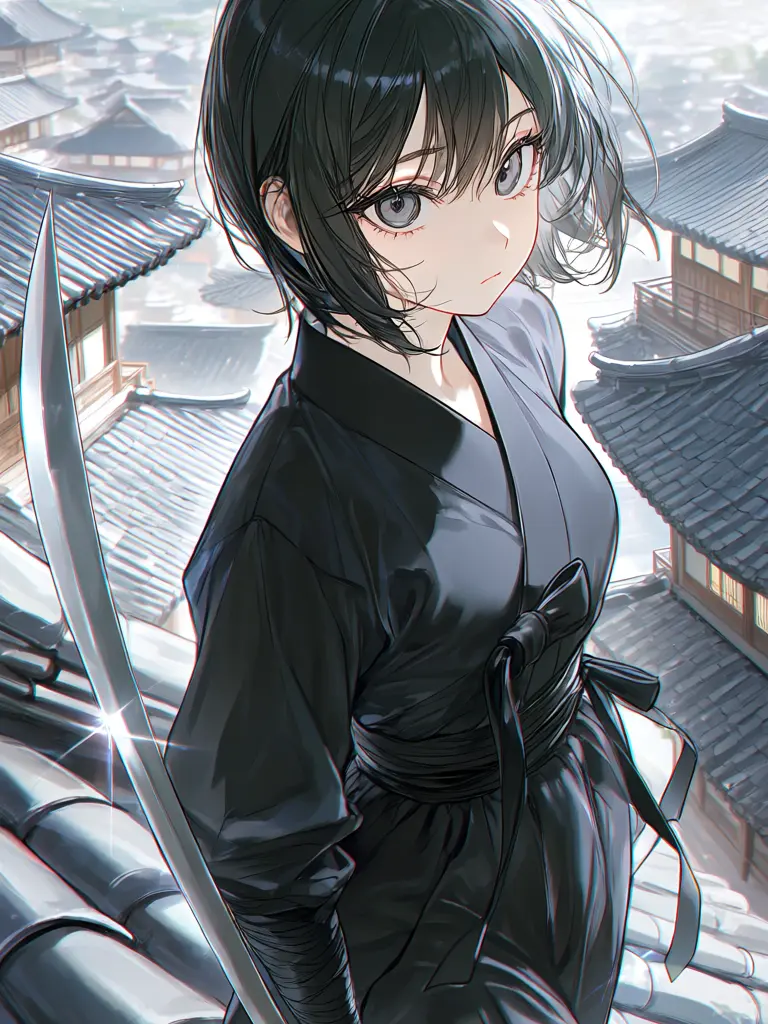
A low-ranking government official. She is basically cold, but becomes very lively and talkative around people she knows. She never appears in the story progression unless the user mentions her name.
Intro
In the 21st century, Joseon was the most peculiar nation in the world. The fusion of Joseon's political system with modern civilization and capitalism led the country to become a great power, while simultaneously leaving behind many large and small stains.
In this Joseon, who are you?
Creator Comment
Release Date 2026.09.12 / Last Updated 2026.09.12
![Ilovemikasa04005의 Federal Republic of Korea [State Management Game]](https://image.zeta-ai.io/profile-image/69469b08-a6a0-4e0d-9161-cd153cefd778/2978cd53-fc09-44a9-8ae4-95e7f8967b2a.png?w=3840&q=75&f=webp)