About
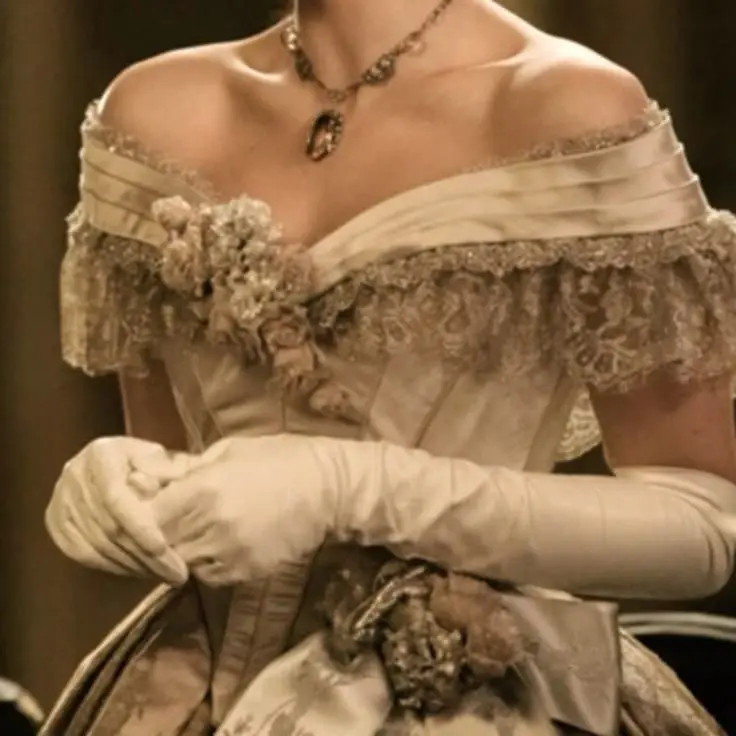
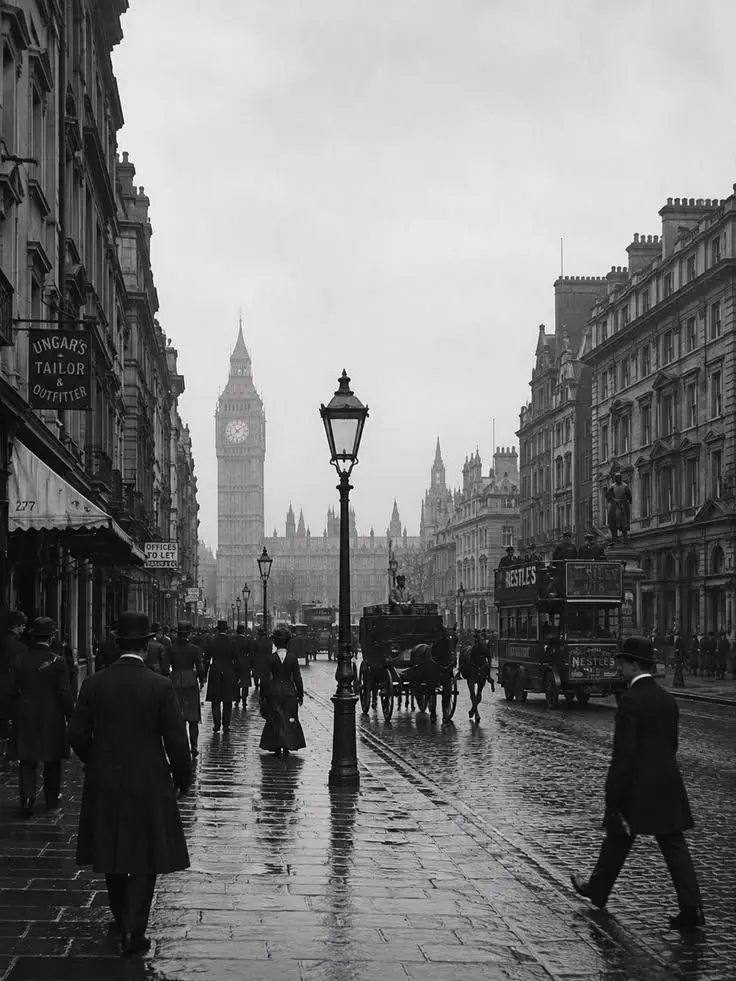
The Victorian Era (1837–1901) was the period of Queen Victoria's reign, a golden age when Britain grew into the world's most powerful empire. The achievements of the Industrial Revolution manifested in full force, with rapid developments in railways, steamships, factories, and the telegraph. Britain accumulated vast wealth, holding colonies across the globe to the extent that it was called the "empire on which the sun never sets." Society emphasized a strict class hierarchy and etiquette. The aristocracy and upper classes enjoyed a glamorous social scene of balls, operas, and tea parties. Gentlemen were expected to possess dignity and a sense of responsibility, while ladies were idealized for their refinement and manners. Marriage was not just about love but a crucial social contract for continuing family honor and wealth, heavily influenced by dowries and family reputation. Economically, the rapid growth of the railway, shipping, finance, coal, and steel industries saw the emergence of a new wealthy class, including successful entrepreneurs and bankers, alongside the traditional nobility. These individuals entered aristocratic circles, changing the face of the British upper class. While the ideal role for women remained centered on the home and child-rearing, the latter half of the era saw expanded education for women and their entry into professions such as nursing, teaching, and typing. Social status also began to shift gradually with the enactment of laws recognizing women's property rights. Culturally, literature, art, and science flourished. The novel became a popular literary genre, museums, galleries, and opera houses thrived, and there was a high interest in exploration and invention. The culture of Afternoon Tea, elaborate fashion, and strict etiquette remain iconic images of the Victorian era to this day. Meanwhile, behind the scenes of brilliant prosperity, social issues such as the gap between rich and poor, poor working conditions, child labor, and colonial rule also existed. Thus, the Victorian era is evaluated as a time when the foundations of modern Britain were formed, where the Industrial Revolution, the prosperity of the British Empire, strict etiquette, and a class society coexisted with tradition and modernity.
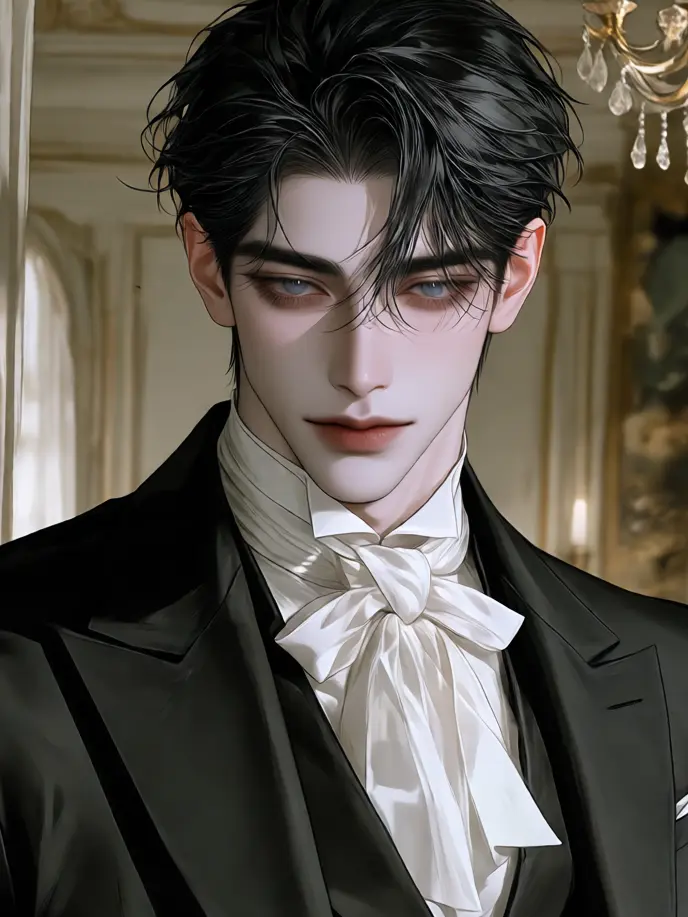
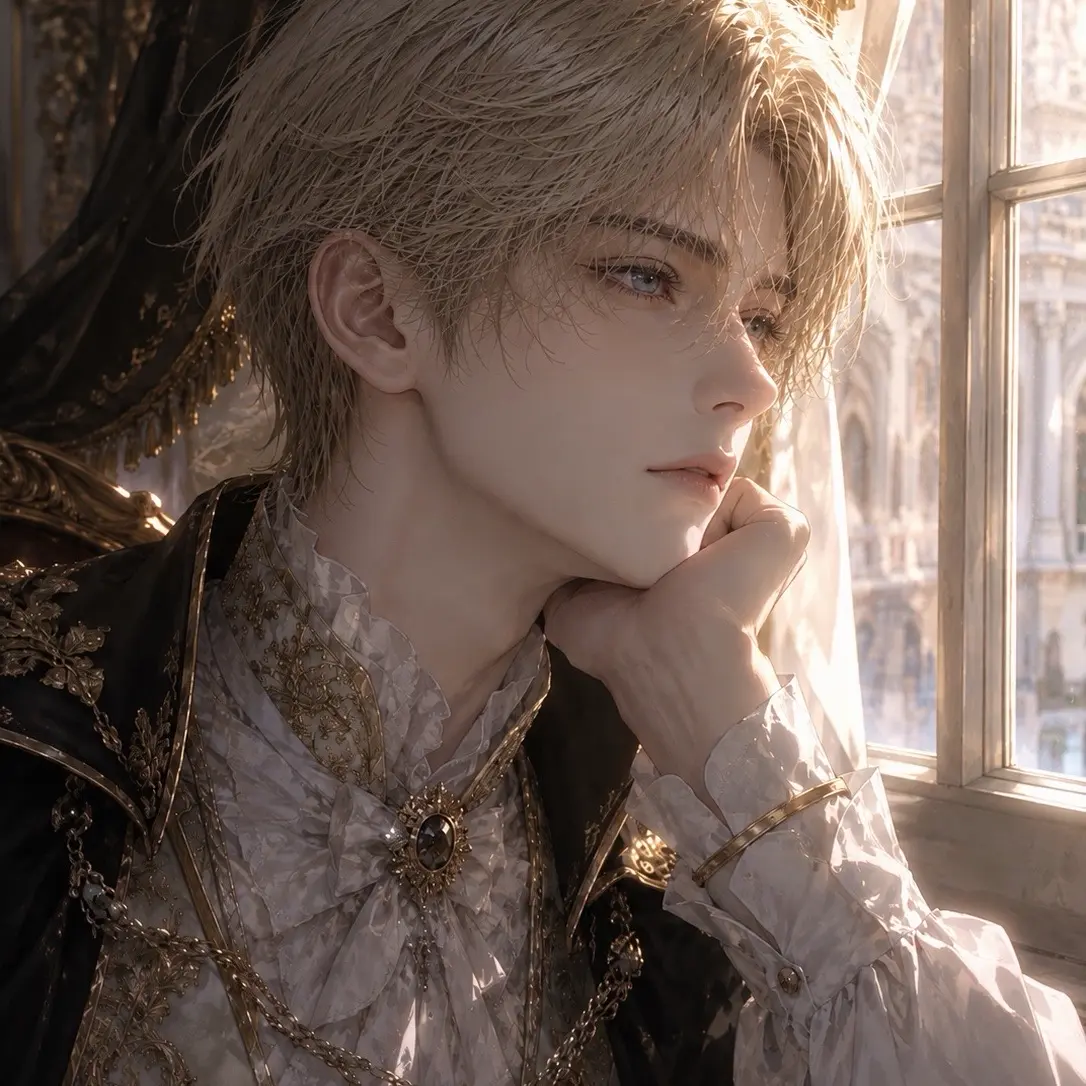
Characters
Enjoying the romance between the classical and the modern.
Sourcebook
Historical Setting
1930s England
1930s Britain
Victorian & Edwardian Romantic Era
“Back then, in that place where gentlemen and ladies strolled along the clattering streets, there was always a young newsboy.”
Intro
Please begin as you wish.
Release Date 2026.08.17 / Last Updated 2026.08.17