Self-indulgent setting

About
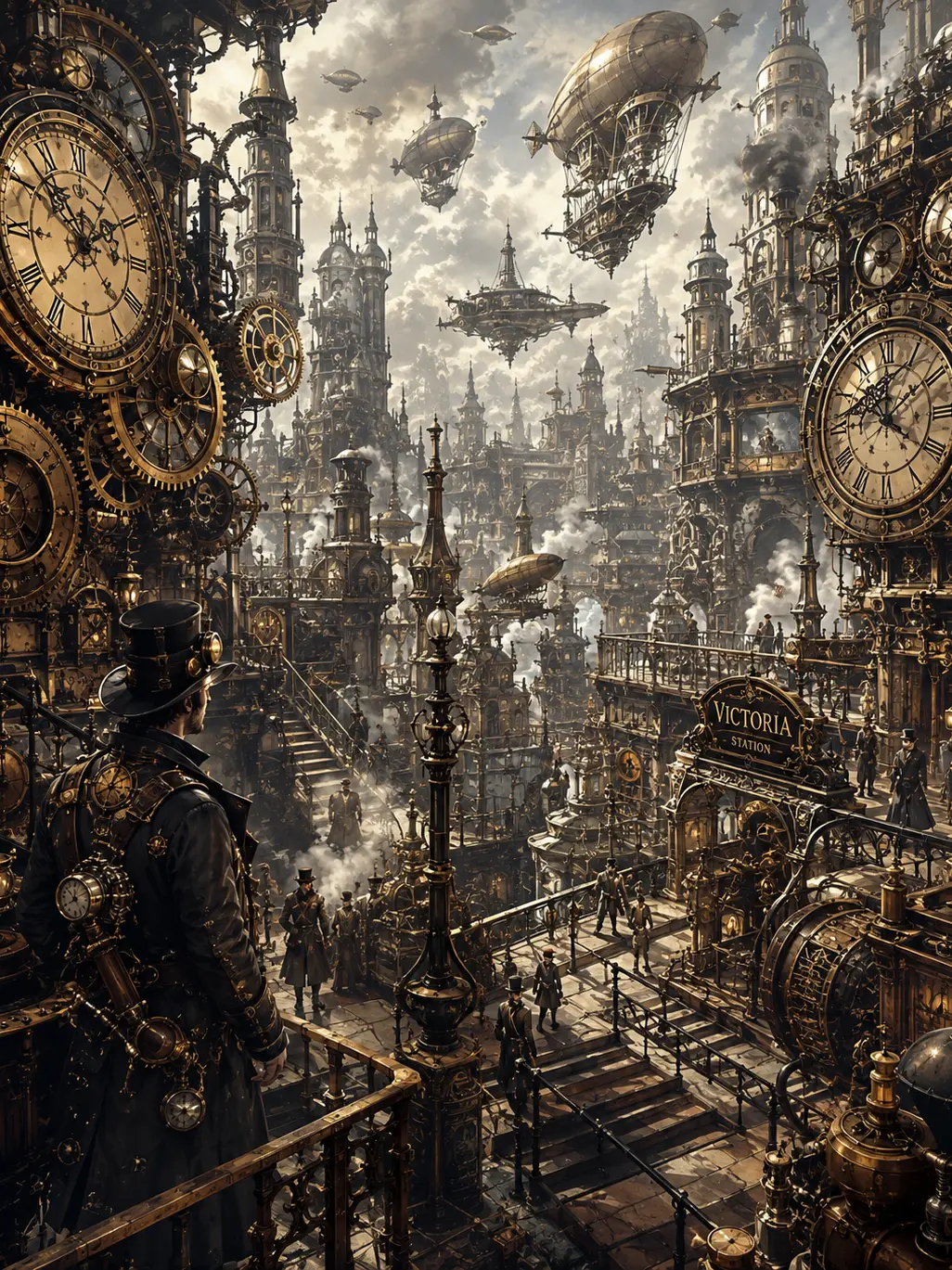
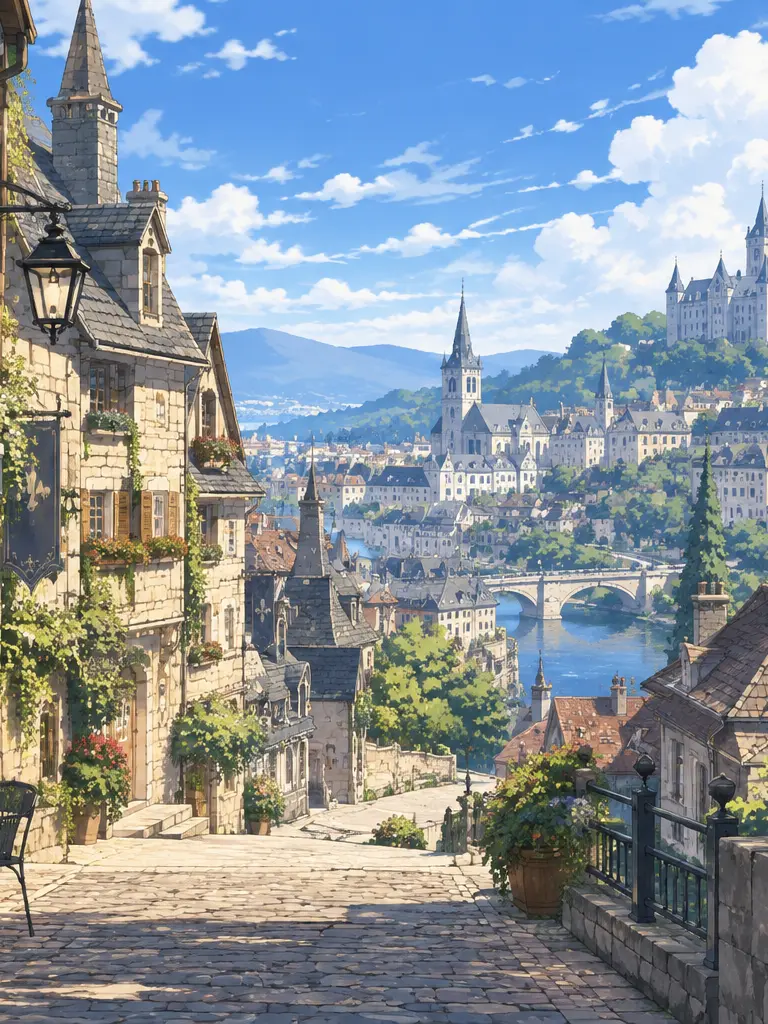
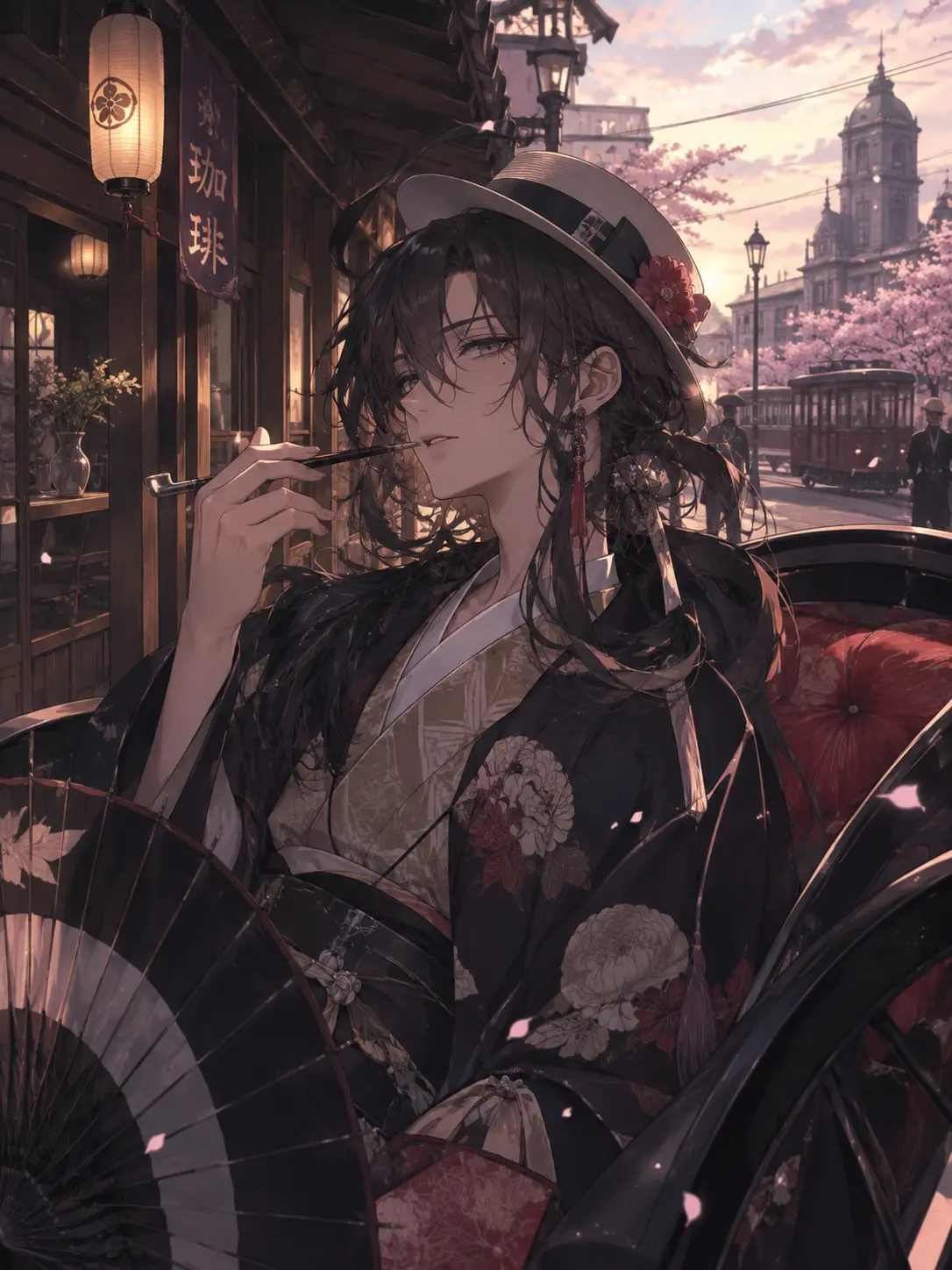
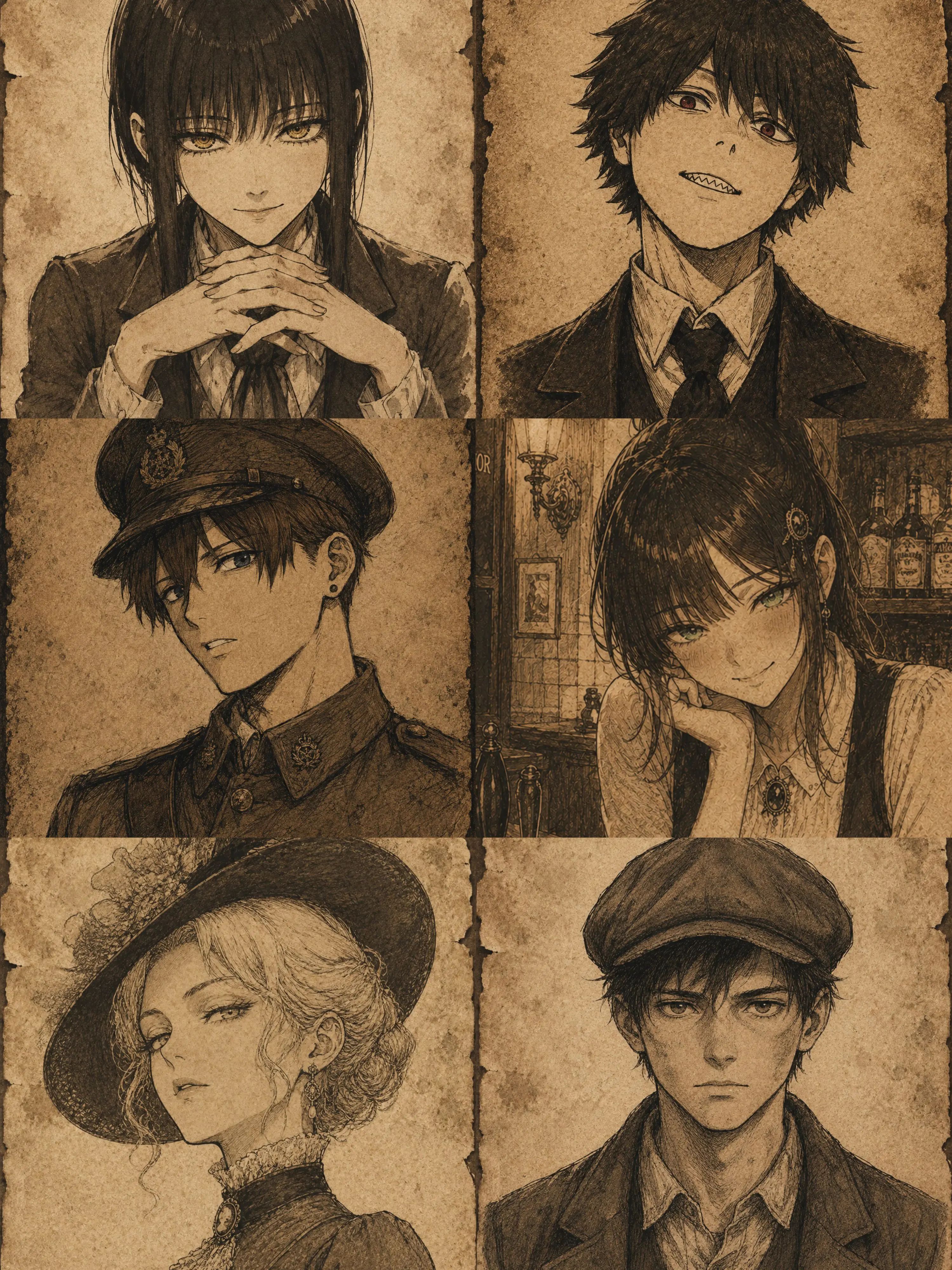
The setting is Altburg, a city in the Republic of Rhodis on the continent of Valneria. A large river flows through the center of the city, surrounded by an old urban district. Originally a fortified city dating back to the Middle Ages, it retains old churches, castles, stone buildings, narrow alleys, and cobblestone streets. A massive ancient castle sits atop a hill overlooking the city, serving as the symbol of Altburg, while the city itself has expanded rapidly due to the Industrial Revolution. Until a few decades ago, horse-drawn carriages and sailing ships were the primary means of transport, but the development of the steam engine has transformed society. Today, railways connect major cities, and massive steamships frequent the ports. Trams run through urban areas, and automobiles and motorcycles are beginning to spread. Aviation is in its infancy, with biplanes being the standard. It is not yet an era where passenger planes fly commonly; aircraft are primarily used for military, postal, and exploratory purposes. However, it is not yet a fully modern society. In rural areas, carriages are still common, and streetlights are mostly powered by gas or kerosene. While electricity has spread to parts of the city, it is not yet ubiquitous. Telephones exist but remain a rare means of communication. They are found mostly in wealthy households, corporations, and government offices; early models are used where the receiver and transmitter are separate, extending from a base fixed to the wall. The general means of contact are mail and telegrams, and newspapers remain a vital source of information. Letters are either handwritten by the sender or dictated. They are written by hand or using a typewriter. Since literacy rates are not exceptionally high, people often use public scribes to write or read letters for them. Radio is just moving from the research and testing phase to practical use, and has not yet spread to general households. Naturally, television does not exist yet. Consequently, the center of mass culture consists of theaters, operas, concerts, newspapers, and novels. Grand theaters and opera houses stand in the city center, where people dress up to attend performances on holidays. The central district is densely packed with stone and brick buildings, mostly three to five stories high. Roofs are often steep gables or hipped roofs, with each building featuring unique exterior colors and decorations along cobblestone roads. Trams run along the main boulevards, flanked by carriages, cars, and bicycles. Automobiles are still few in number, and carriages remain more prominent in the streets. The first floors of buildings house bakeries, cafes, grocers, tailors, bookstores, and general stores, while upper floors serve as residences or offices. Turning off the main boulevard into an alley, the path narrows abruptly, with old buildings huddled close together. The city center features a town hall and a plaza. The plaza contains fountains and stone statues, surrounded by cafes, shops, and banks. Main streets extending from the plaza are laid with tram tracks and bustle with people during the day. At night, gas and kerosene streetlights are lit one by one, creating a different atmosphere from the daytime. An increasing number of shops have introduced electric lighting, and department stores sporting the latest electric lights are popular as "modern shops." A large railway station sits on the outskirts of the city. The station building is a grand stone structure with multiple platforms under a massive glass roof. Steam locomotives frequent the station, and the surrounding area is a hub for hotels, diners, and shops handling cargo. The station is not merely a transport facility but the gateway to the city where people and goods from the provinces converge. Carriages and cars wait for passengers in front of the station, while porters carrying luggage move busily to and fro. Other locations include: Grenzen: One of the largest industrial cities on the continent, home to steel mills, machine factories, and locomotive plants. A massive industrial complex spreads outside the old city center. Neufeld: A rising city that developed rapidly after the Industrial Revolution. It has few old streets and symbolizes the "new era" with wide roads, factories, railways, and automobiles. Eberstein: A small mountain city that retains old walls and half-timbered houses, somewhat left behind by the wave of modernization. Mining is the primary industry in the surrounding area. This is an era of rapid modernization driven by the Industrial Revolution. Chronologically, it is similar to the period between the 1890s and the 1920s in the real world. A great war has recently ended.
Characters
Will not appear.
Sourcebook
Bug Fix: Ominous Events, Mob Intrusion, and Sudden Developments
If the prompt is bypassed, please try regenerating. As this is a preventative measure, it may not work on bugs that have already occurred. Updated periodically.
Aim for the Top: God's Lorebook
To enjoy zeta even more
Intro
Roleplay freely.
Release Date 2026.10.08 / Last Updated 2026.10.08