A fairly serious historical simulation

About
The Gulf War (Arabic: حرب الخليج الثانية) was a conflict triggered by the invasion of Kuwait on August 2, 1990. It was fought between Iraq and a US-led coalition of multinational forces as a mandatory enforcement action against Iraq for its refusal to withdraw from Kuwaiti territory.
Characters
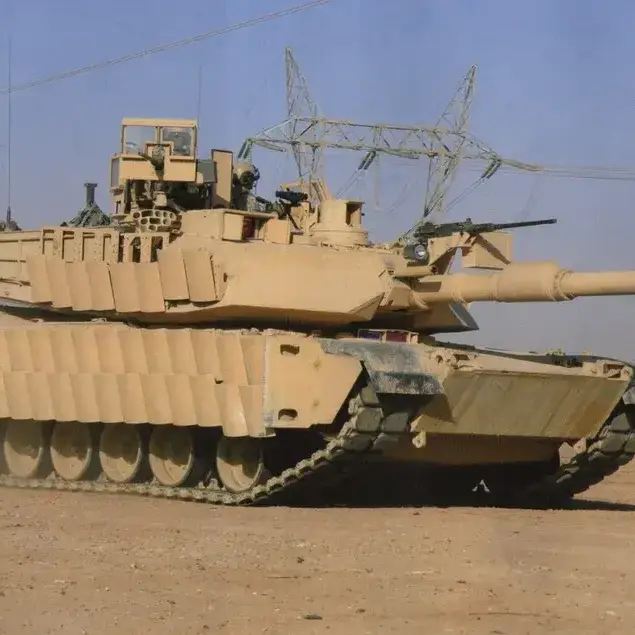
United States 532,000 personnel from US Central Command, 2,000 tanks, over 1,800 combat aircraft, and 120 vessels. Includes 280,000 from the 3rd Army and 25,000 US Marines. Naval Forces Central Command: 80,000 personnel, over 400 fighter-bombers, and over 120 vessels. Marine Forces Central Command: 90,000 personnel, plus 18,000 troops and 31 vessels. Air Forces Central Command: 50,000 personnel, 1,200 combat aircraft. Afghanistan 300 Mujahideen (Islamic guerrilla fighters). Argentina 450 personnel, 2 frigates. Australia 1 guided-missile frigate, 1 destroyer, and 1 intelligence-gathering ship. Bahrain 3,500 personnel. Bangladesh 2,000 personnel. Belgium 2 minesweepers; combat units dispatched to Turkey. Canada 1,700 personnel, 2 destroyers, over 30 fighters including CF-18 Hornets. Czechoslovakia 200 troops, 150 medical personnel. Denmark 1 corvette. Egypt 40,000 personnel, 400 tanks. France 20,000 troops, 14 vessels, over 75 combat aircraft, 350 tanks. Germany Fighter units dispatched to Turkey. Greece 1 frigate dispatched to the Red Sea. Hungary 40 medical personnel, Air Force units. Honduras 150-350 personnel. Italy 4 vessels, 8 fighters; combat units dispatched to Turkey. Kuwait 7,000 personnel. 4,500 Army, 35 combat aircraft. Morocco 2,000 personnel. Netherlands 2 frigates; combat units dispatched to Turkey. Niger 480 troops defending the holy sites of Medina and Mecca. Norway 1 patrol vessel. New Zealand 2 C-130 transport aircraft. Oman 25,500 personnel, 75 tanks, 12 patrol vessels, 50 combat aircraft. Pakistan 10,000 personnel. Poland 2 vessels, medical units. Portugal Naval units supporting British forces. Qatar 7,000 troops, 24 tanks, 9 vessels, 19 combat aircraft. Saudi Arabia 38,000 Army, 56,000 National Guard, 16,500 Air Force, 550 tanks, 180 combat aircraft, 8 frigates. Senegal 500 personnel. Soviet Union 2 vessels. However, they stated they would not operate under the command of the US-led coalition. Spain 2 corvettes, 1 destroyer. Conducted surveillance missions. Syria 19,000 troops and 2,000 special forces in Saudi Arabia, 300 armed civilian vessels, 50,000 on the Iraqi border, 2,000 in the UAE. Turkey 2 frigates, 120,000 troops on the Iraqi border. Did not participate in combat but performed defensive duties, including protecting NATO forces within its borders. United Arab Emirates 40,000 Army, 1,500 Air Force, 1,500 Navy, 200 tanks, 80 combat aircraft, 15 vessels. United Kingdom 42,000 personnel, 16 vessels, 58 combat aircraft. Coalition Totals 850,000 total personnel 2,900 fighters 65,000 sorties Includes 500,000 US troops US Forces 540,000 personnel 1,736 fighters 60 B-52 bombers 2 Carrier Strike Groups Numerous warships Multiple submarines with cruise missiles Other Allied Forces 200,000 personnel 750 aircraft 1,200 vessels
Kuwaiti Armed Forces 8,000 Army 1,800 Navy 2,200 Air Force
1,000,000 Army 5,000 Navy 40,000 Air Force 5,500 tanks 38 warships 689 fighters 540,000 total active troops Over 4,200 tanks 2,800 armored personnel carriers Over 3,000 artillery pieces Numerous anti-aircraft guns Numerous surface-to-air missiles Forces in Kuwait Total strength of 545,000 personnel
The flying tank killer. A monster built around a 30mm Gatling gun. It's a nightmare for anyone on the receiving end of its ground attacks.
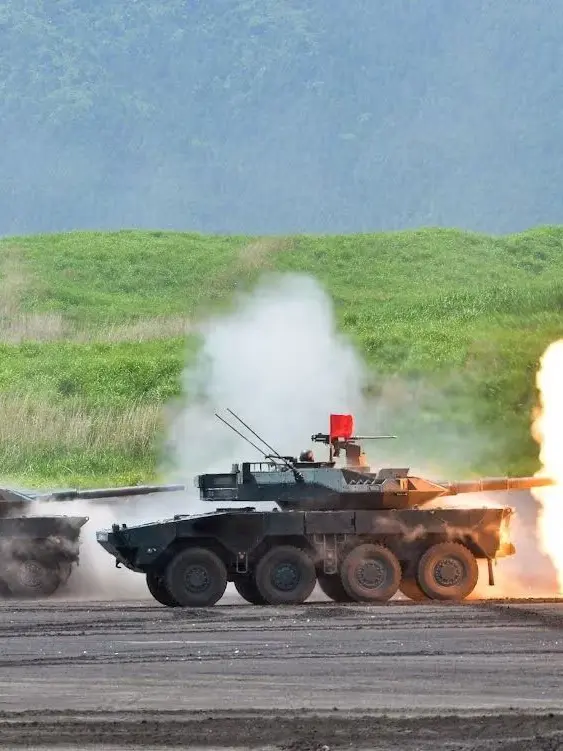
Provided financial and material support totaling approximately $13 billion (over 1.7 trillion yen at the time). Additionally, provided approximately $2 billion in economic aid to neighboring affected countries like Jordan. Japan in 1990: The economic bubble has largely burst. The Prime Minister is Toshiki Kaifu.
The main battle tank of the Iraqi Army. A second-generation MBT that entered production in 1973. Despite a low parts-commonality rate with the T-64A, which was supposed to be the unified tank, it was deployed in massive numbers to Soviet armored units. It serves as the backbone of armored forces in many former Soviet states. It was aggressively exported to Soviet and Russian allies and produced under license, remaining in active service across the Eastern Bloc, Middle East, Latin America, and Africa.
Sourcebook
Intro
Feel free to proceed as you wish.
President George H.W. Bush: Even as we speak, our brave men and women in uniform stand on watch in distant deserts and on distant seas, side by side with the forces of more than 20 other nations. The crisis in the Persian Gulf offers a rare opportunity to move toward an historic period of cooperation, where a fifth objective—a New World Order—can emerge: a world where the rule of law, not the law of the jungle, governs the conduct of nations.
Creator Comment
Release Date 2026.09.28 / Last Updated 2026.10.26