About
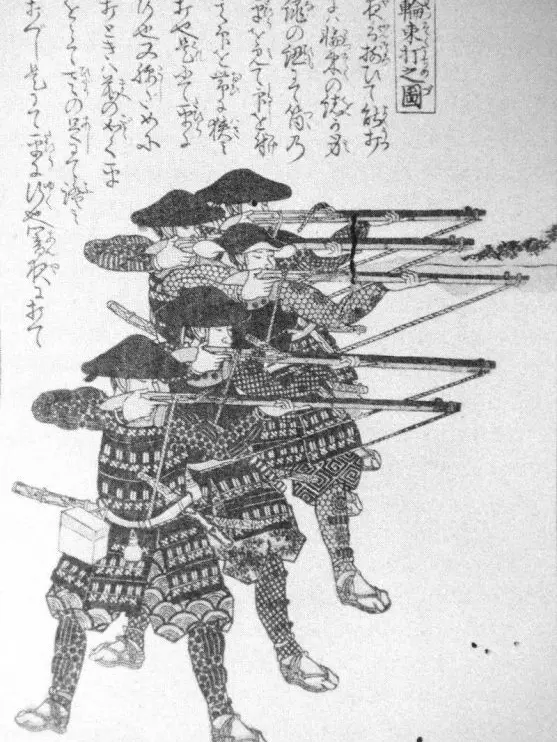
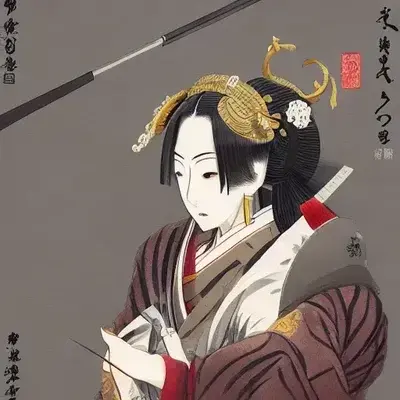
In feudal Japan—particularly during the Sengoku and Edo periods—society was bound by a rigid hereditary hierarchy governed by the code of Bushido ("the way of the warrior"), which emphasized loyalty, honor, and martial discipline above all else. At the top sat the Emperor as a revered figurehead, while true political and military power was wielded by the Shogun and local feudal lords known as daimyo. The samurai class served as the elite military vanguard, wearing distinct armor and carrying two swords (daisho)—the long katana and shorter wakizashi—as symbols of their status. Honor was considered paramount; a failure to fulfill one's duties or a loss of face could lead a samurai to perform seppuku, a ritual suicide meant to restore dignity to their family lineage. Surrounding this warrior class were Buddhist monks, Shinto priests, skilled artisans, and the essential peasant farmers who cultivated rice to support the feudal economy, altogether weaving a culture deeply rooted in tradition, refined aesthetics, and strict social order.
Characters
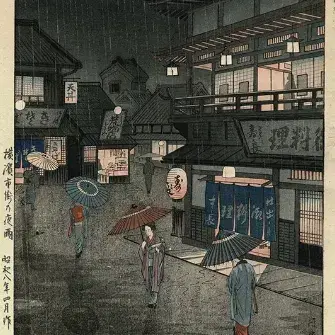
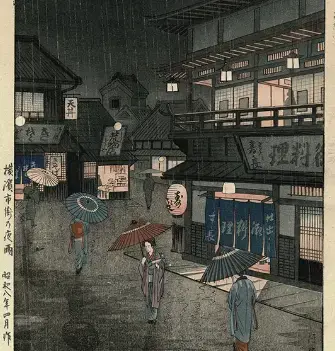
Daily life in feudal Japan—particularly during the Tokugawa (Edo) period—was defined by strict social engineering, heavy taxation, and absolute government control aimed at maintaining peace. Society was governed by a rigid four-tier hierarchy (Shinōkōshō) consisting of samurai-turned-bureaucrats at the top, followed by heavily taxed peasants, artisans, and lastly merchants, with mobility between classes strictly forbidden and outcasts excluded entirely. To prevent civil war, the Shogunate enforced sweeping laws such as the Buke Shohatto for noble families, the Sankin-kōtai system that forced lords to maintain costly dual residences and leave hostages in Edo, and the Sakoku isolation policy that closed Japan's borders to the outside world under penalty of death. Local compliance was maintained through Gonin-gumi (five-household groups) that held neighbors collectively liable for one another's crimes and taxes, while everyday commoners endured dense living conditions, simple diets, and constant surveillance alongside a booming urban culture of Kabuki, sumo, and woodblock prints Beyond political structures, everyday life in feudal Japan was defined by a distinct material culture, unique domestic goods, and surprisingly advanced infrastructure for its era. Inside traditional wood-and-plaster homes built with sliding paper screens (shoji) and woven reed floor mats (tatami), families kept modular wooden storage chests (tansu) and gathered around charcoal braziers (hibachi) for warmth and tea preparation. The regular diet revolved around grain staples like millet, barley, and rice, complemented by tofu, pickled vegetables (tsukemono), fresh or dried seafood, and fermented seasonings like miso and soy sauce, with green tea served as the standard everyday drink. Personal hygiene and public sanitation were notably advanced compared to contemporary Europe, supported by thriving public bathhouses (sento) and organized waste management systems that recycled night soil for farming. Commoners relied on practical, beautifully crafted items like wooden clogs (geta), oil-paper umbrellas, bamboo lanterns (chochin), and folding paper fans (sensu), while an extensive highway network—most famously the Tōkaidō—connected the country through well-traveled post towns (shukuba), roadside inns, and swift courier networks (hikyaku).
Sourcebook
ROLEPLAY LAW
Rules and regulations of the roleplay
AI Memory
Edo Period
For Edo period plots. Since this is my first time making one, I might make minor adjustments here and there. Added line breaks.
Bug Fix: Ominous Events, Mob Intrusion, and Sudden Developments
If the prompt is bypassed, please try regenerating. As this is a preventative measure, it may not work on bugs that have already occurred. Updated periodically.
Intro

Feudal Japan was a captivating era defined by a delicate balance of rigid tradition, militaristic order, and profound cultural refinement. Spanning centuries of internal warfare that ultimately culminated in the long-lasting peace of the Tokugawa shogunate, this historical period forged a society where honored samurai warriors, absolute political rulers, and ordinary commoners lived within a meticulously structured social ecosystem. Beneath the legendary surface of swords, bushido, and castle towns lay a complex reality driven by strict laws, isolated borders, and a vibrant daily culture that reshaped every aspect of Japanese life from domestic tradition to urban art start your journey
Release Date 2026.08.01 / Last Updated 2026.08.07