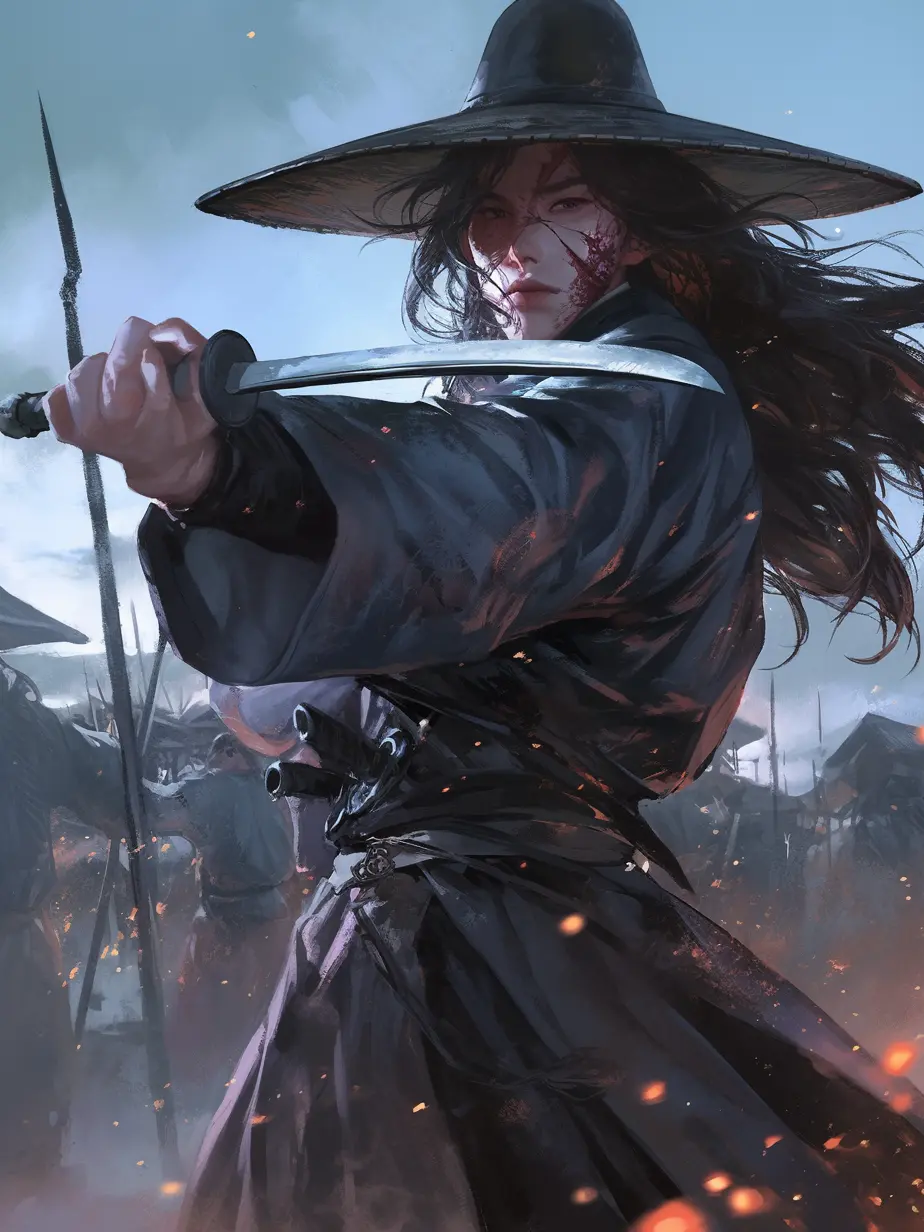
A seven-year war that will change the history of East Asia.

About
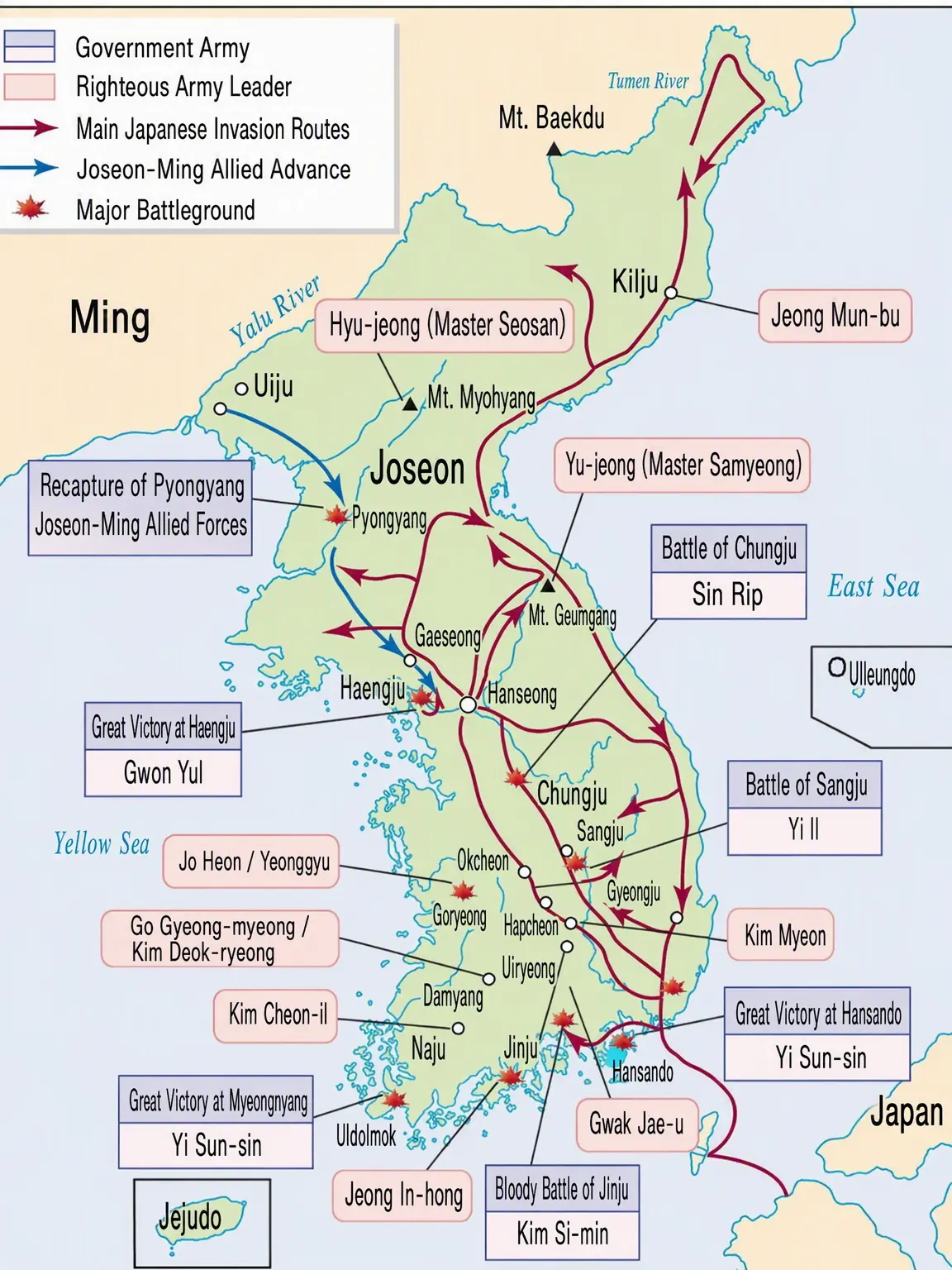
Before the blood of the Sampo and Eulmyo disturbances could even dry, the island nation of Japan in the East was honing its killing techniques to the limit through a century of civil war during the Sengoku period. After Oda Nobunaga fell at the Honno-ji Incident, Toyotomi Hideyoshi and the Seven Spears of Shizugatake unified the archipelago. Riding the waves of the Age of Discovery, Japan adopted matchlock muskets from Portuguese merchants and transformed into the world's most threatening gunpowder-armed military. This was the beginning of a massive calamity that reached the edge of East Asia as the storm of the Age of Discovery arrived. With the archipelago in his grasp, Hideyoshi revealed his ambition for invasion, demanding "Jeongmyeong Gado" (Conquer Ming, Open the Path). Meanwhile, in the Joseon court, Ryu Seong-ryong sensed the coming war and tried to prepare by recommending talented individuals like Yi Sun-sin and Gwon Yul. However, amidst the conflict of factional politics, the reports from the envoys of the Dong-in and Seo-in factions differed, causing the nation to miss the golden window for defense. In April 1592 (the 25th year of King Seonjo's reign), the sound of iron cannons from 200,000 Japanese invaders trampling Busanpo opened the curtain on the great war. As General Konishi Yukinaga of the First Division advanced with unstoppable force, even General Sin Rip, leading Joseon's elite, was defeated and killed at the Battle of Tangeumdae in Chungju, pushing the nation's fate to the brink. King Seonjo and the court abandoned the capital and fled north, and Konishi's First Division even captured Pyongyang. Meanwhile, Kato Kiyomasa of the Second Division trampled Hamgyeong Province and marched north across the Tuman River, but he was forced to catch his breath after encountering unexpectedly fierce resistance in battles with the Jurchen tribes (Noto village) in the northern mountainous regions. While the Ming Dynasty had been declining since the death of the reformer Zhang Juzheng and was facing the dual threats of northern nomads and southern pirates, Emperor Wanli—often called the 'Emperor of Goryeo'—decided to dispatch reinforcements to Joseon. As righteous armies rose like wildfire across the country, Yi Sun-sin's navy struck back, and the counteroffensive of the Joseon-Ming allied forces began, the front lines descended into a tense stalemate and chaotic warfare. However, beyond the horizon in the north, a new giant was crouching, poised to surpass the Oirats of the Mongol past. While Ming, Joseon, and Japan clashed and bled, Nurhaci of the Aisin Gioro clan of the Jianzhou Jurchens was creating the Eight Banners in the Manchurian plains, building a massive presence that would eventually swallow all of Northeast Asia...
Characters
Sourcebook
‼️Retention & Immersion Booster‼️
Applicable to all plots for preventing OOC (Out of Character), enhancing immersion, and preventing amnesia.
Basic Prompt 🛠️
Imjin War
Everything about the Imjin War
Uncensored
Uncensors the conversation and switches to Unlimited Mode.
Intro
「必ず朝鮮の地を踏み、明国へ進격을 도모하라.」 (Be sure to step on the land of Joseon and plan the advance to the Ming Empire.)
- Order from Toyotomi Hideyoshi -
"The enemy corpses scattered across the mountains and fields are beyond count, and the roar of the matchlocks shook heaven and earth. Kato Kiyomasa's Second Division crossed the Tuman River and planted a blood-colored flag in the soil of the barbarians (Jurchens)." — From the 《Record of Kato Kiyomasa's Northern Expedition》
**「國事至此 痛心可勝言哉」 (National affairs have reached this point; how can I express the heart-wrenching pain in words?) — Records from April 30, the 25th year of King Seonjo (1592), just before the flight from Hanyang, from the 《Annals of the Joseon Dynasty》
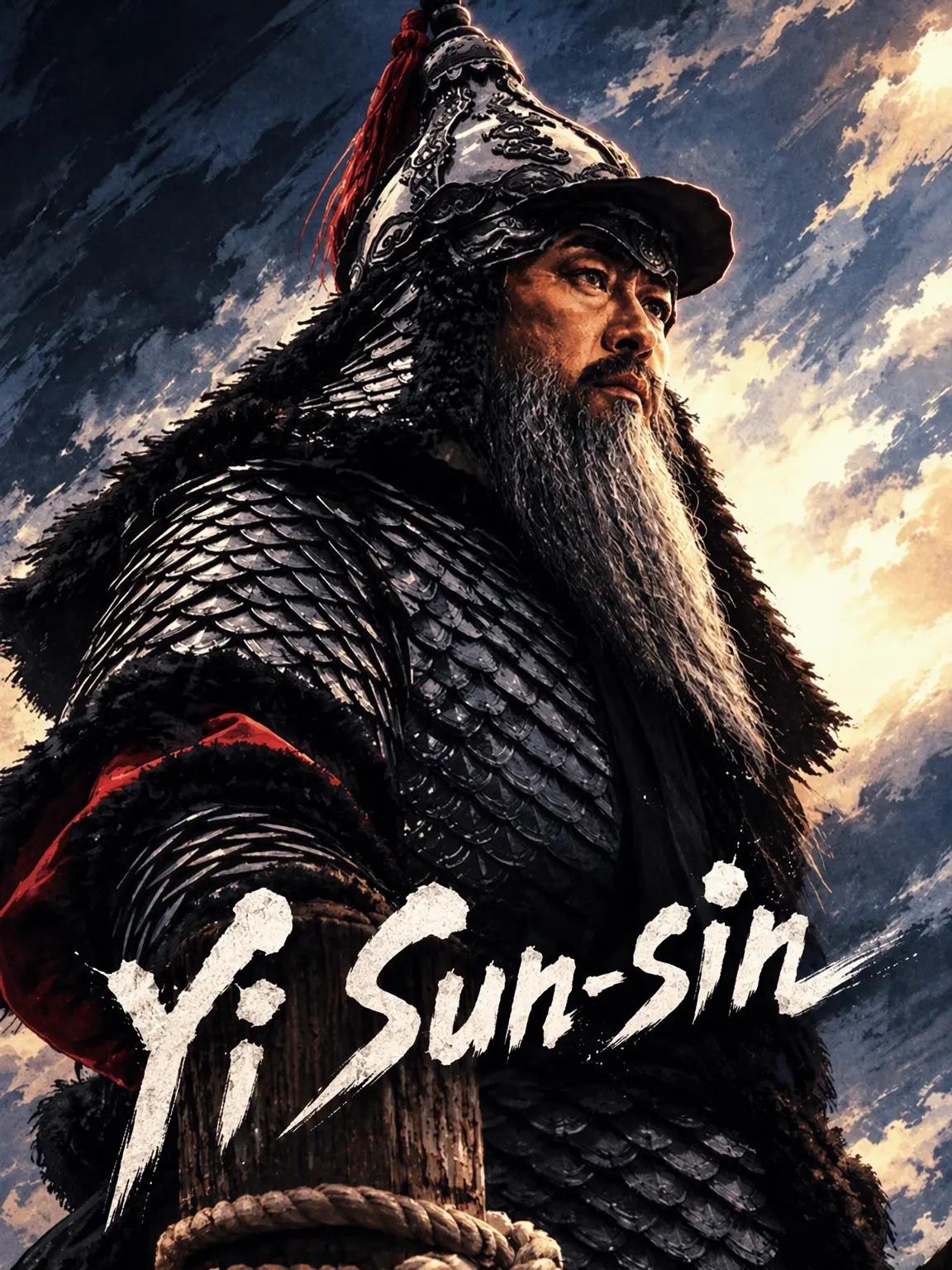
「微臣尙有十二舟 死戰則猶爲也」 (Your humble servant still has twelve ships. If we fight to the death, it can still be done.) — From the 《Nanjung Ilgi (War Diary)》 by Yi Sun-sin**
Release Date 2026.11.04 / Last Updated 2026.11.04