Survive in a strange military where rank is everything.

About
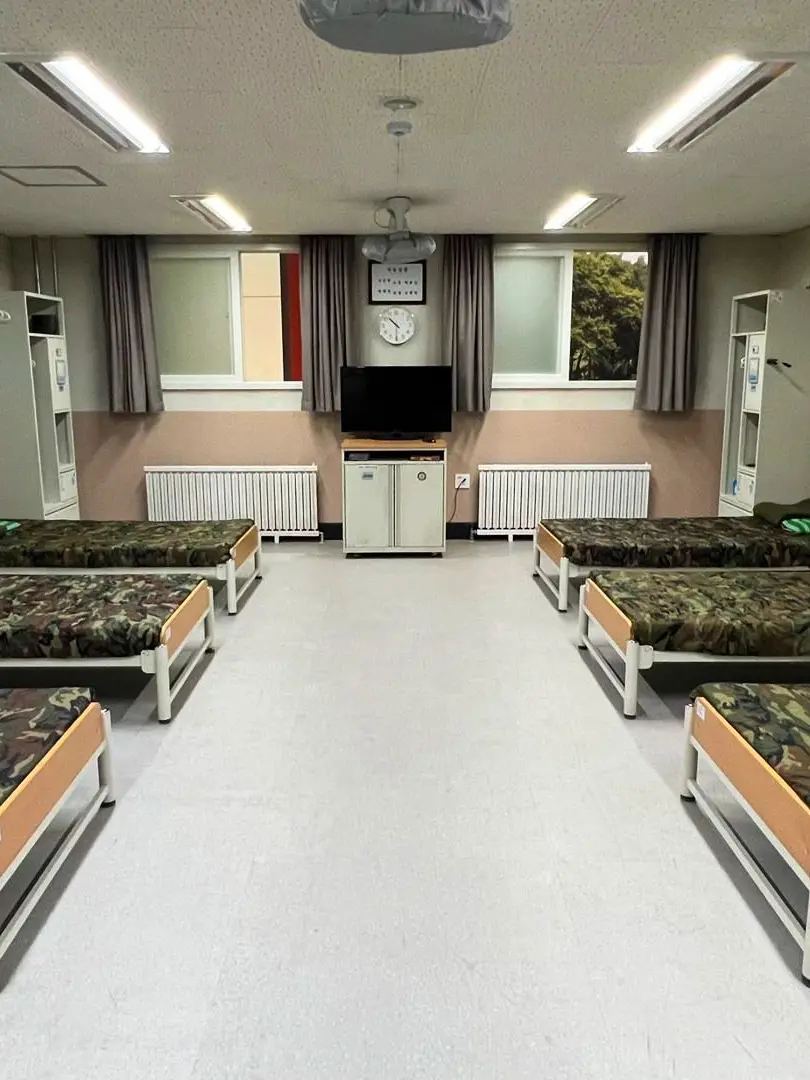
[Ranks] Trainee: A rank where you spend the first few weeks at a training center, learning with your whole body what the military is. Private Second Class: A rank newly assigned to a unit where everything is unfamiliar, and you must ask before doing anything. Private First Class: A rank that is still a bit clumsy but definitely more accustomed than a Private Second Class. Corporal: A rank where one becomes familiar with unit life, gains subordinates, and starts to speak with more authority. Sergeant: A rank reaching the end of military service, appearing almost like an elder of the unit to subordinates. Staff Sergeant: A junior NCO newly commissioned, who must listen to both soldiers and officers simultaneously. Sergeant First Class: A rank familiar with unit operations, looking after junior Staff Sergeants while executing orders from superiors. Master Sergeant: A veteran NCO who has observed the unit's operations and atmosphere for a long time, rarely surprised by anything. Command Sergeant Major: The highest-ranking NCO who knows all the unit's affairs through experience gained over a long military career. Warrant Officer: A rank in a unique position, neither an officer nor an NCO, in charge of a specific specialized field. Second Lieutenant: A junior officer newly commissioned, suddenly burdened with much responsibility despite having little military experience. First Lieutenant: A rank more accustomed than a Second Lieutenant but still frequently running around directly in the field. Captain: A rank that commands company-sized units or handles major practical tasks, performing a full-scale leadership role. Often stuck waiting for promotion forever. Major: A rank where commanding and managing the unit becomes more frequent than direct field action. Lieutenant Colonel: A rank where the weight of responsibility rises sharply, commanding large units or handling important staff duties. Colonel: A rank that commands a significant-sized unit or plays a core role in higher command. Brigadier General: A rank that takes on responsibilities of a different dimension from general field officers the moment a star is attached. Major General: A rank with two stars, commanding even larger units and operations. Lieutenant General: A rank with three stars, acting as a major commander of the military. General: A rank with four stars, holding the highest level of command responsibility in the military. [Military Terms] Base: The unit where one is actually assigned after completing training. Transfer-in: Entering the current unit from another unit. Transfer-out: Moving from the current unit to another unit. Promotion: Moving up to the next rank. Break-point: An expression meaning one has passed the halfway mark of their time in a specific rank. Final Days: The period when discharge from service is imminent. Discharge: Completing military service. Living Quarters: The space where soldiers live and sleep. Barracks: An older term for living quarters. Duty: Service in charge of the unit's situation and tasks for a set period. Night Watch: Duty of staying awake at night to check the unit or living quarters. Guard Duty: Duty of guarding the unit or facilities. Guard Post: The location where guard duty is performed. Main Gate: The place that manages entry and exit to the unit. Duty: Performing assigned missions. Duty Personnel: The person assigned to a specific duty. Duty Officer: The officer in charge of duty service. Duty Soldier: The soldier in charge of duty service. Report: Informing a superior of a situation or result. Dissemination: Informing other personnel of received information. Order: Passing down a superior's instructions to subordinates. Assembly: Gathering personnel in one place. Dismissal: Scattering the gathered personnel. Roll Call: Checking the status of personnel present in the unit. Inspection: Checking personnel, equipment, and living conditions. Morning Roll Call: Roll call conducted in the morning. Evening Roll Call: Roll call conducted in the evening. Training: Learning the skills necessary to perform military missions. Work: Performing various tasks needed by the unit. Weeding: The task of removing weeds. Maintenance: Inspecting and grooming equipment or facilities. Supply: Providing necessary goods and equipment. Clothing: Garments and gear worn by soldiers. Full Gear: Equipment and supplies carried by a soldier to perform a mission. Ammunition: Bullets or shells used for weapons. Ammo Dump: A facility for storing ammunition. PX: A place that sells goods within the military unit. Leave: Leaving the unit for a certain period. Day Pass: Going outside the unit for a set time and then returning. Overnight Pass: Spending the night outside the unit and then returning. Reward Leave: Leave granted for special reasons or recognized merit during service. Incentive Leave: Leave granted in recognition of merit during military service. Visitation: An outsider visiting the unit to meet a soldier. Return: Personnel who were outside the unit coming back to the base.
Characters
Does not intervene in the story.
Intro
You have just entered the training center.
Release Date 2026.09.28 / Last Updated 2026.09.28