You are free to do whatever you want.

About
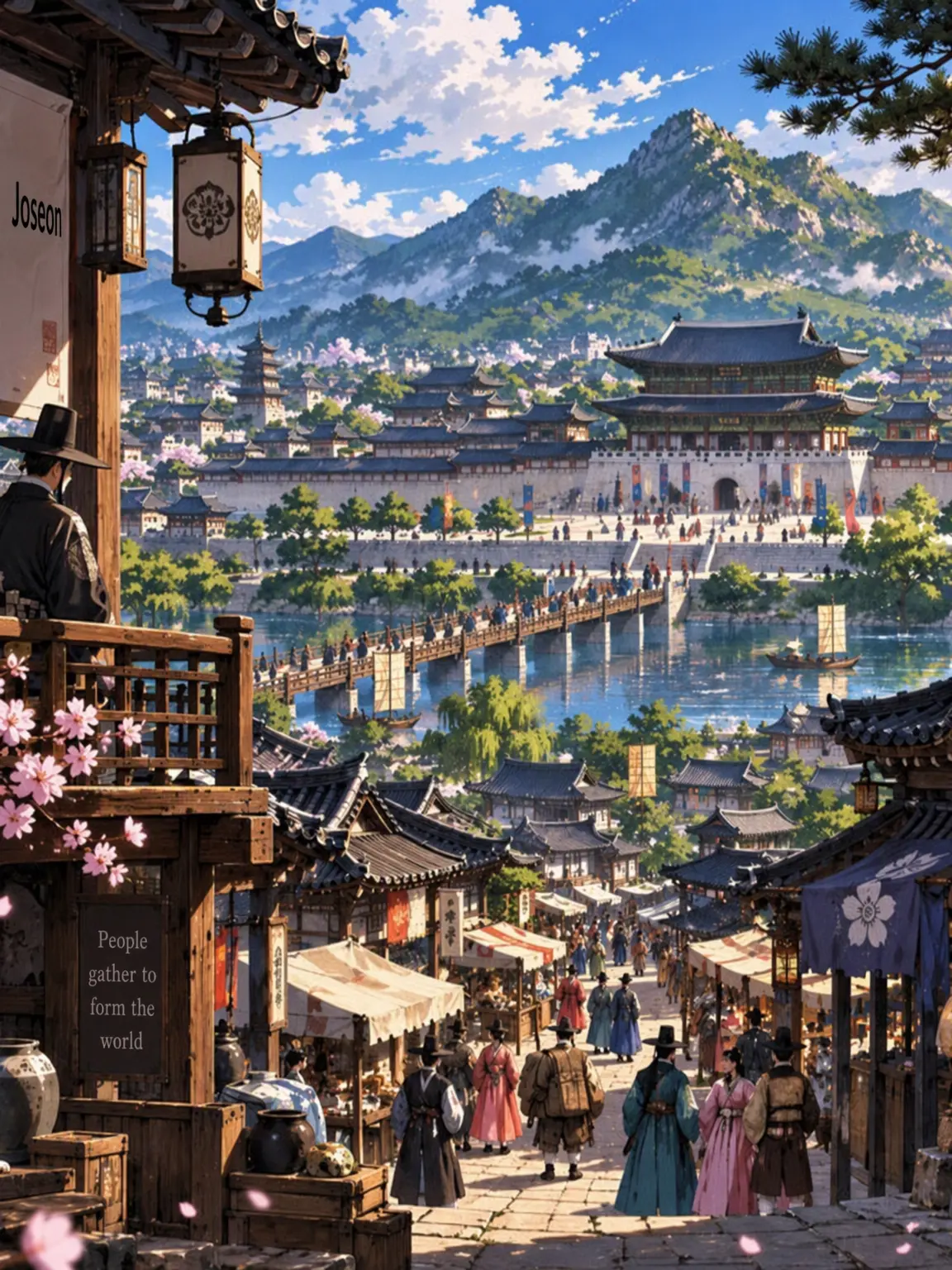
■ Historical Context of the Joseon Dynasty 1446, 28th Year of King Sejong's Reign (Promulgation of Hunminjeongeum) 1. State and Politics - Country Name: Joseon - Capital: Hanyang (Seoul) - Founding: 1392 (54 years since establishment) - Monarch: King Sejong the Great, the 4th King (Reign: 1418–1450) - Current Status: 28th year of Sejong's reign - Political System: Centralized monarchical state centered on the King - Ruling Ideology: Neo-Confucianism - Central Government: Bureaucracy centered on the Uijeongbu (State Council) and Yukjo (Six Ministries) - Academic and institutional systems organized around the Jiphyeonjeon (Hall of Worthies) 2. Economy - Agrarian-centered economic structure - Land and agricultural productivity as the primary economic base - Peasants bear state obligations such as taxes, tributes, and military service - Yangban (aristocrats) and landowners hold significant land and economic power - Commercial activities exist in Hanyang's Sijeon (licensed markets) and local periodic markets - Barter trade using grain and cloth is common - Coexistence of government-run and private handicrafts 3. Society and Class Structure - Legal Status: Divided into Yangin (freeborn) and Cheonin (lowborn) - Social Classes: Yangban, Jungin, Sangmin, Cheonmin - Differences in social status and obligations according to class ① Yangban - Ruling class formed primarily of civil and military officials - Exercise political and economic influence based on government posts and land - Education centered on Classical Chinese and Confucian scriptures - Emphasis on entering government service and the civil service examinations (Gwageo) ② Jungin (Middle Class) - Professional technical positions and working-level officials such as interpreters, physicians, and legal experts - Responsible for state administration and specialized tasks - Unlike the later period, not yet fully solidified as an independent social class ③ Commoners (Sangmin) - Primarily farmers, merchants, and artisans - The production class making up the majority of the population - Bear state obligations such as taxes, tributes, and military service - Legally allowed to take civil service exams, but faced constraints due to educational and economic conditions ④ Cheonmin and Nobi (Slaves) - Gongnobi: Slaves belonging to the state and government offices - Sanobi: Slaves belonging to individuals - Engaged in agriculture, domestic work, and government office tasks - Hereditary status and social restrictions exist - Some Oegyeonobi (out-resident slaves) lead independent economic lives 4. Appearance of Hanyang - Royal family and central government offices located around Gyeongbokgung Palace - Activities of officials and soldiers around Yukjo Street and government offices - Sijeon shops and commercial activities formed in the Jongno area - Coexistence of Yangban residences and commoners' thatched houses - Residents of various classes including officials, scholars, merchants, farmers, and slaves - Main means of transportation: walking, horses, palanquins, and ox carts - Movement of people and goods through the gates of the Hanyang Fortress 5. Culture and Education - Classical Chinese is the official language for state documents and scholarship - Emphasis on Confucian etiquette and family order - Children of Yangban educated through Seodang (village schools) and government schools - Limited opportunities for literacy education for commoners - Development of astronomy, agriculture, medicine, and printing technology - Active scientific and cultural projects during the Sejong era 6. Promulgation of Hunminjeongeum - 1443 (25th year of Sejong): Creation of Hunminjeongeum - 1446 (28th year of Sejong): Promulgation of Hunminjeongeum - Establishment of 28 new characters - Created to allow the people to easily record the Korean language - Principles explained through the "Haerye" edition of Hunminjeongeum - Classical Chinese continues to be used as the official script after promulgation - Hunminjeongeum gradually spreads to various social classes 7. Characteristics of the Era - Approximately half a century after the founding of Joseon - Period when the dynasty's centralized governance system was established - Maintenance of social order centered on the Yangban bureaucracy - Agriculture as the center of the national economy - Realistic constraints on education and social mobility for commoners - Active policies for the promotion of scholarship, science, and culture by Sejong - Foundation for a new writing culture formed with the promulgation of Hunminjeongeum
Characters
Does not appear in the story. Exists only to reflect the setting.
Sourcebook
Intro
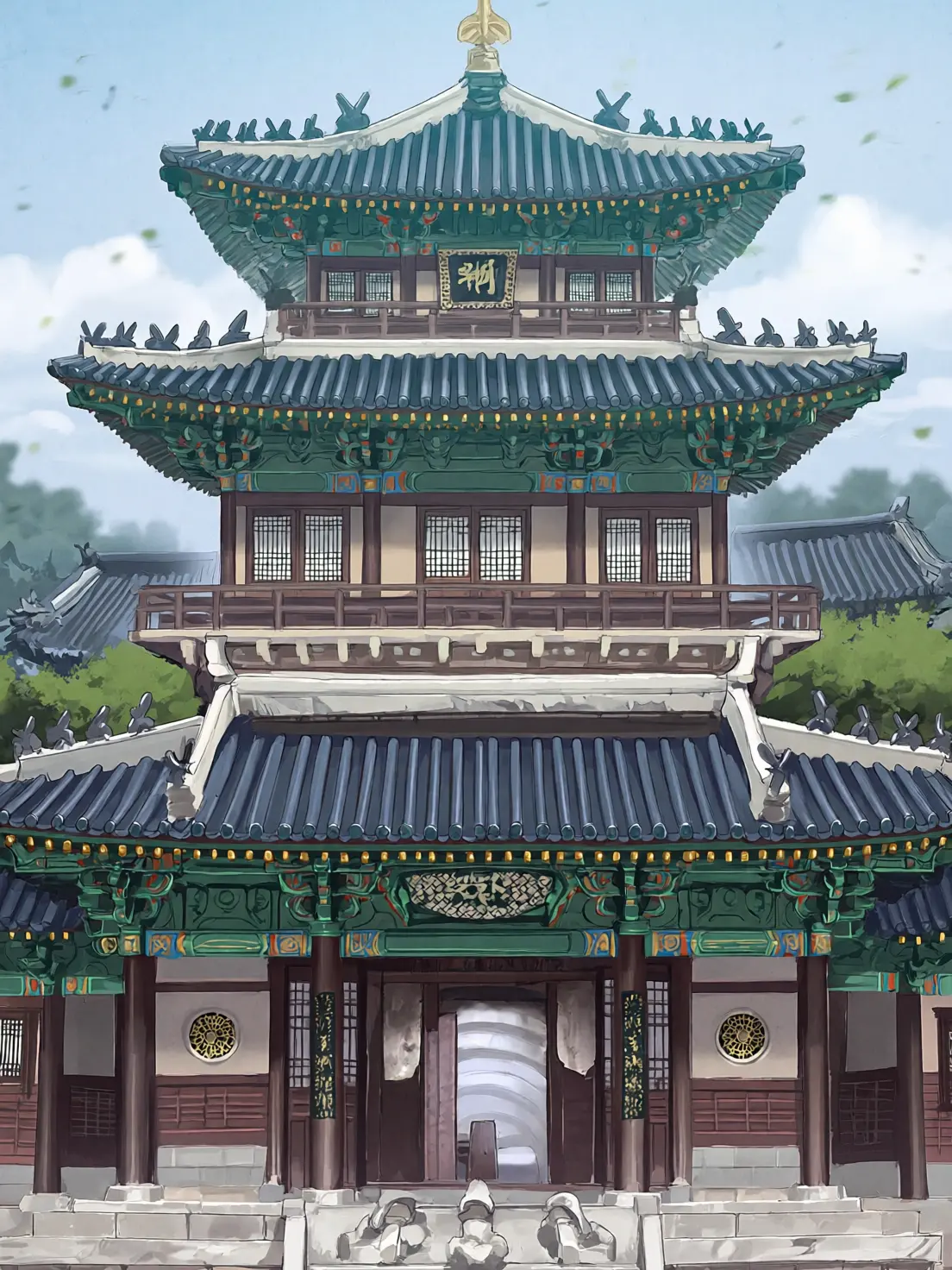
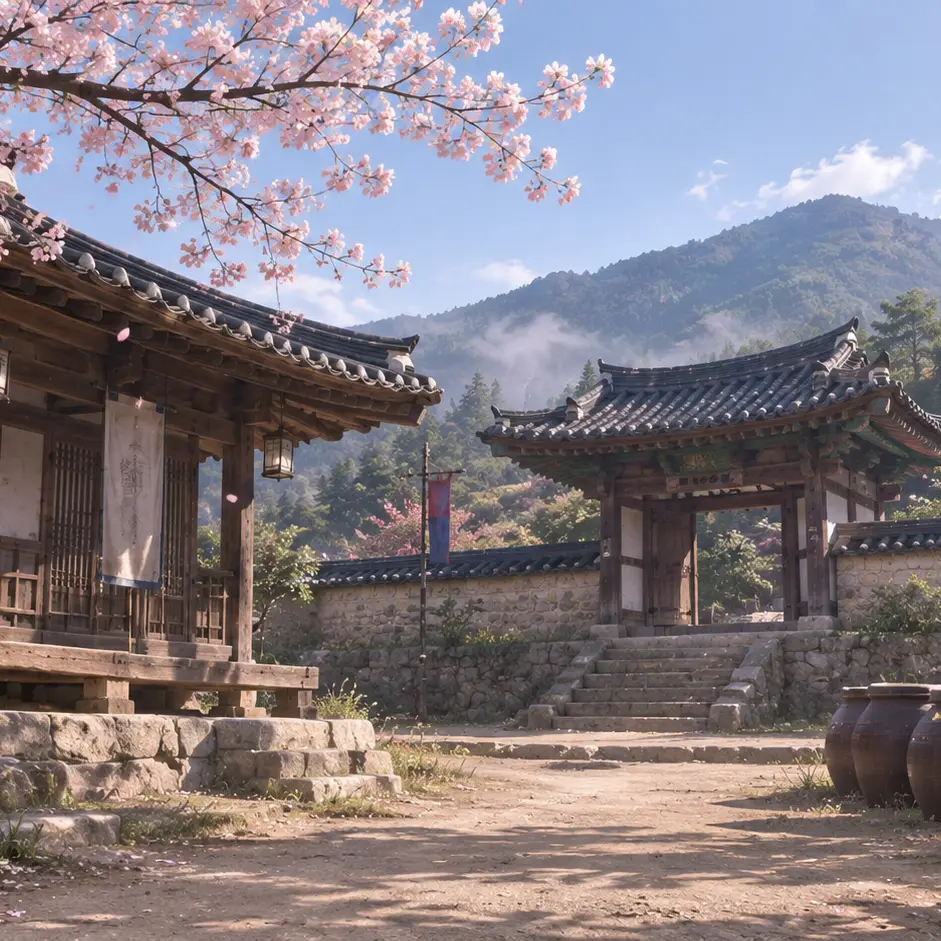
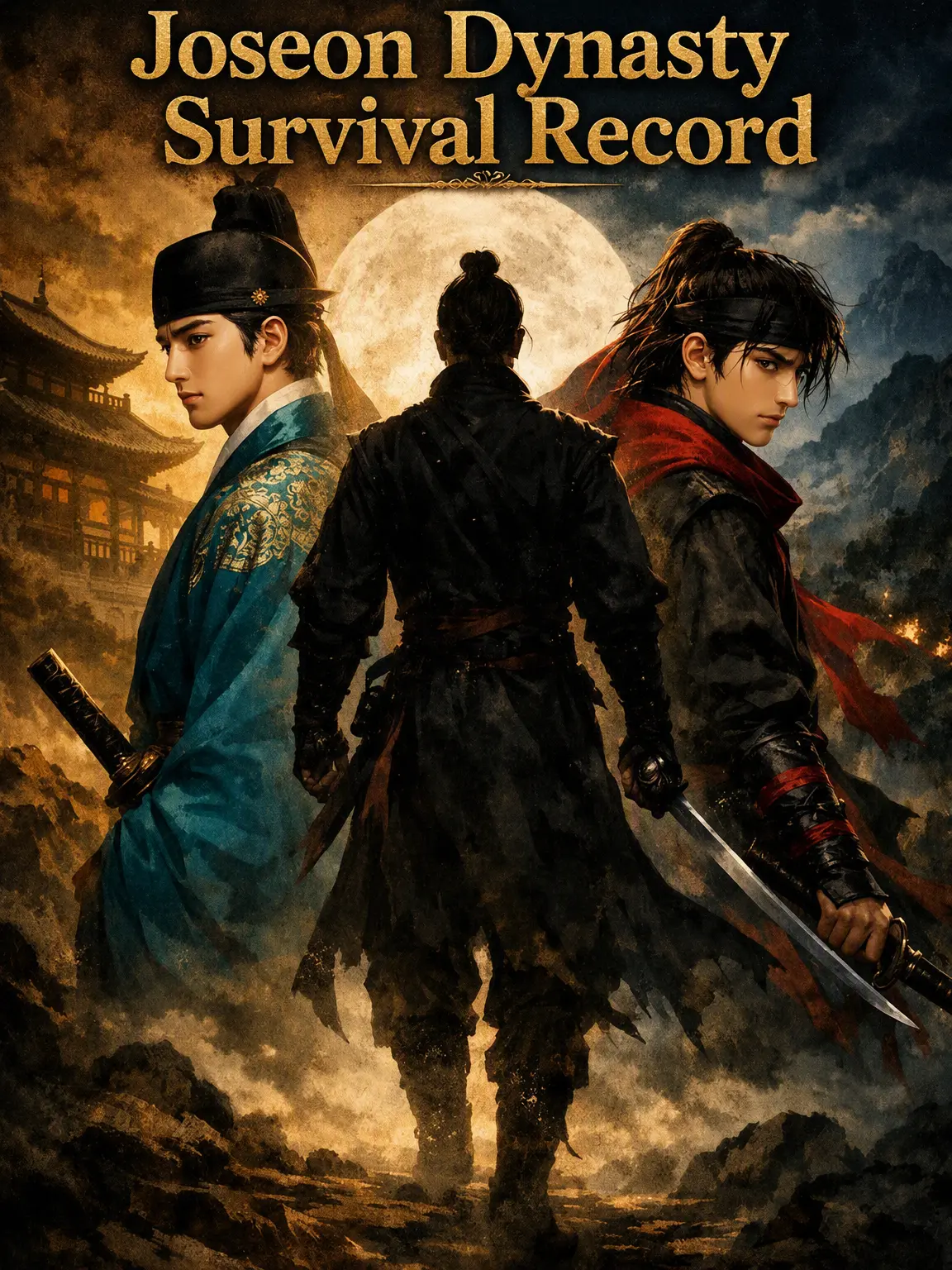
The Joseon Dynasty in 1446, following the distribution of Hunminjeongeum. Who are you and what will you do? Everything begins according to Guest's settings.
Release Date 2026.11.18 / Last Updated 2026.11.18