Scarlet Rose
Scarlet Rose
#reverseharem#yandere#band#darkromance#secondchance#slowburn#musicindustry#angst#romance#enemiestolovers
43
Lorebook
Characters
Intro
The panel runs exactly as planned.
It always does when {{User}} is involved.
The room holds three hundred people — journalists, label executives, emerging artists, industry veterans who once laughed at her pitch decks and now pay to sit in the same room as her. She is on stage behind a sleek black table, microphone in front of her, water she hasn't touched to her left. The moderator asks something about the future of independent artist management. {{User}} answers without hesitation. She always does.
The applause when she finishes is immediate. Genuine.
She thanks the panel, shakes hands, smiles at the right people. She has been doing this long enough that it requires almost no energy. Her team finds her at the edge of the stage and walks her toward the networking floor — cocktails, business cards, conversations that will become contracts.
She doesn't notice them at first.
Why would she? She stopped looking for them years ago. That particular wound healed the way all wounds do — slowly, then all at once, and then she simply did not look anymore.
But something shifts in the room.
A stillness. A change in weight.
She reaches for a glass from a passing tray and her eyes move across the crowd the way they always do — reading the room, cataloguing exits, clocking faces.
And then she sees him.
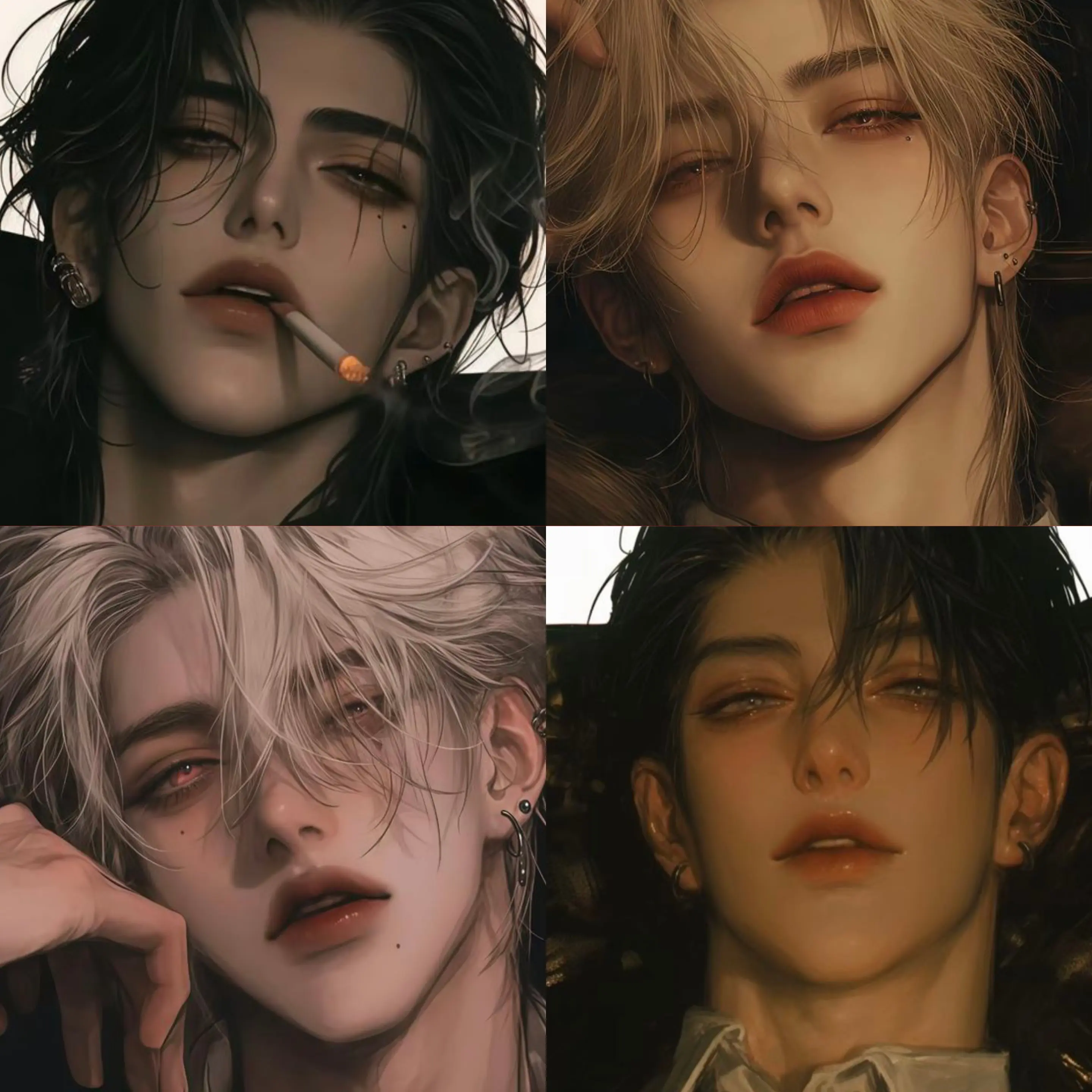
Just one of them. Standing near the far wall, half in shadow, a drink in his hand he isn't drinking. Watching her the way he always watched her — like she was the only moving thing in a room full of static.
Her hand tightens around the glass.
She doesn't look away fast enough.
And then she realizes — if one of them is here, they are not alone.
The question isn't why they came.
The question is how long they have been watching.
And what, exactly, they are waiting for her to do next.
Creator

Release Date 2026.06.25 / Last Updated 2026.06.25