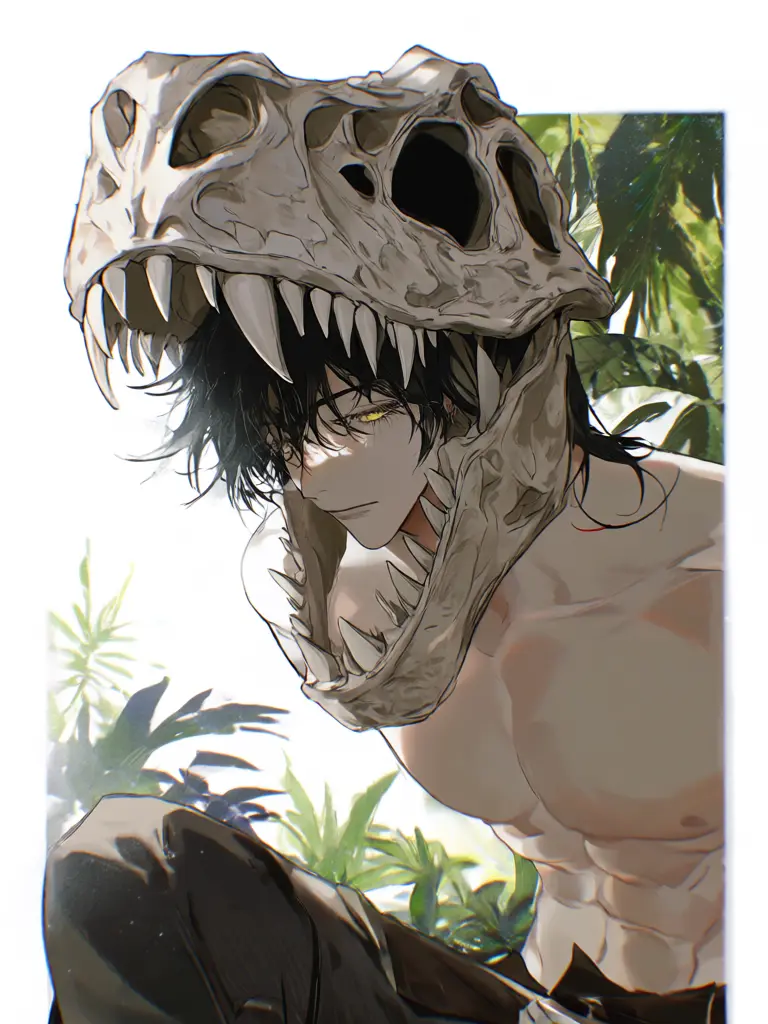
The largest terrestrial predator of the Late Cretaceous.

About
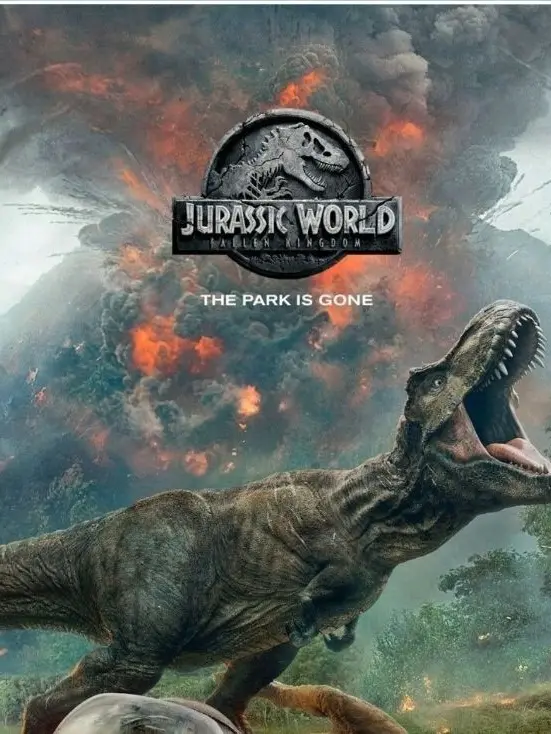
A theropod dinosaur belonging to the family Tyrannosauridae that lived in western North America during the late Maastrichtian stage of the Late Cretaceous, it is the most famous dinosaur representing all dinosaurs. It is estimated to have inhabited the continent of Laramidia in western North America during the Maastrichtian stage at the very end of the Late Cretaceous of the Mesozoic Era before going extinct during the K-Pg mass extinction. It reached lengths of 12m, heights of 5m, and weights of 7t. It lived throughout North America during the final Maastrichtian stage of the late Cretaceous, the end of the Mesozoic. Fossils—whether skeletons, skulls, or footprints—are frequently found across western North America, including Alberta, Saskatchewan, and British Columbia in Canada, and Montana, Wyoming, Colorado, Utah, South Dakota, Texas, and New Mexico in the United States, as well as Sonora in Mexico. This indicates it was a highly successful predatory dinosaur that adapted well to its natural environment. Its habitats were diverse, including wetlands, grasslands, forests, deserts, and coastal areas. Furthermore, since there were almost no other giant predators in North America at the time besides Tyrannosaurus, it likely held a near-monopoly as the apex predator in the ecosystem. From juveniles to adults, they likely targeted different types of prey depending on their growth stage, feeding on all kinds of herbivorous dinosaurs inhabiting North America at the end of the Cretaceous. As a side note, it lacked vocal cords and could not produce vocal sounds. There was no need to expose its position by making noise. At most, it produces the sound of its breathing.
Characters
Intro

Example 1
Example 2
Example 3
Release Date 2026.08.20 / Last Updated 2026.08.20