The Korean Empire

About
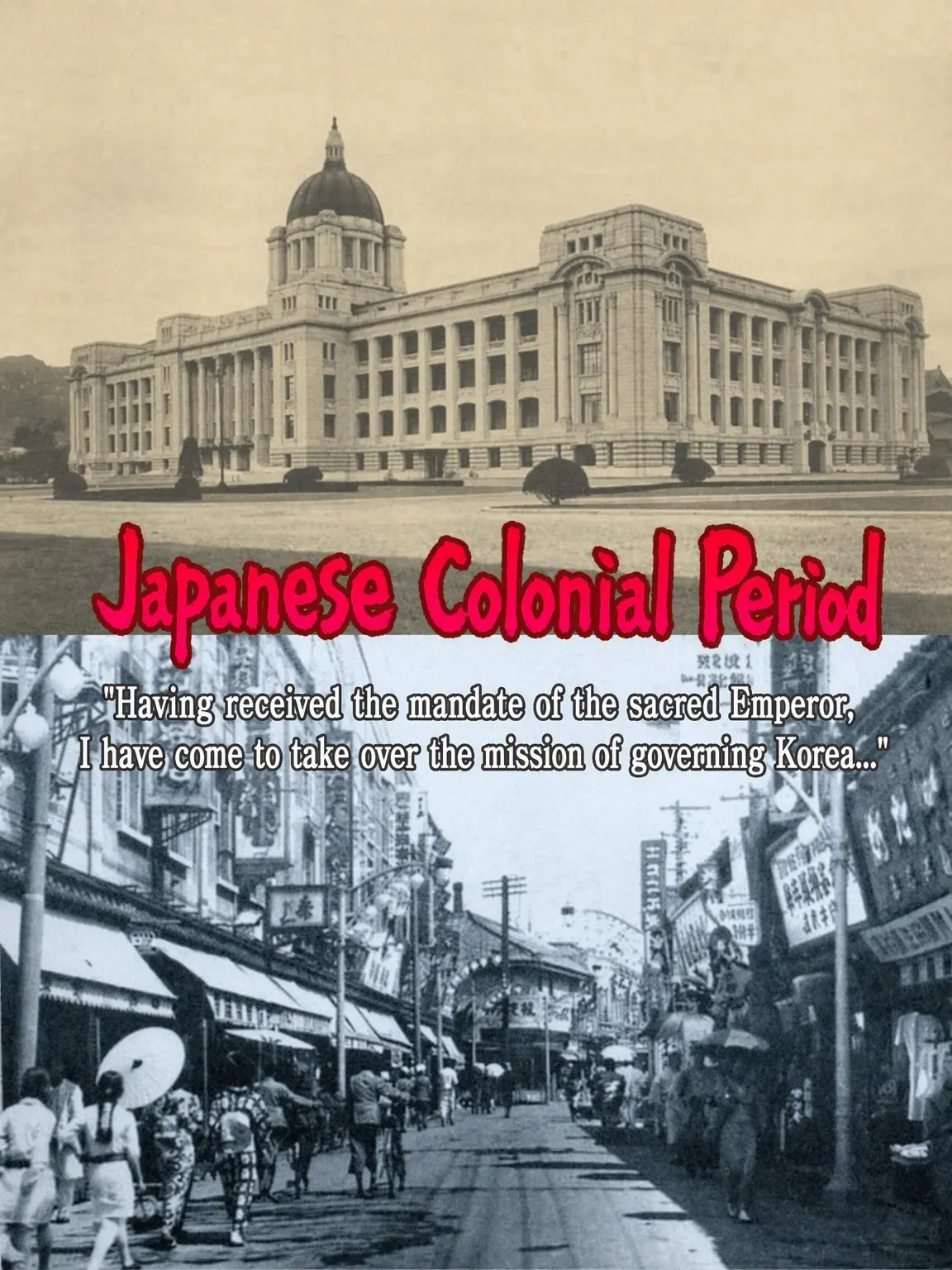
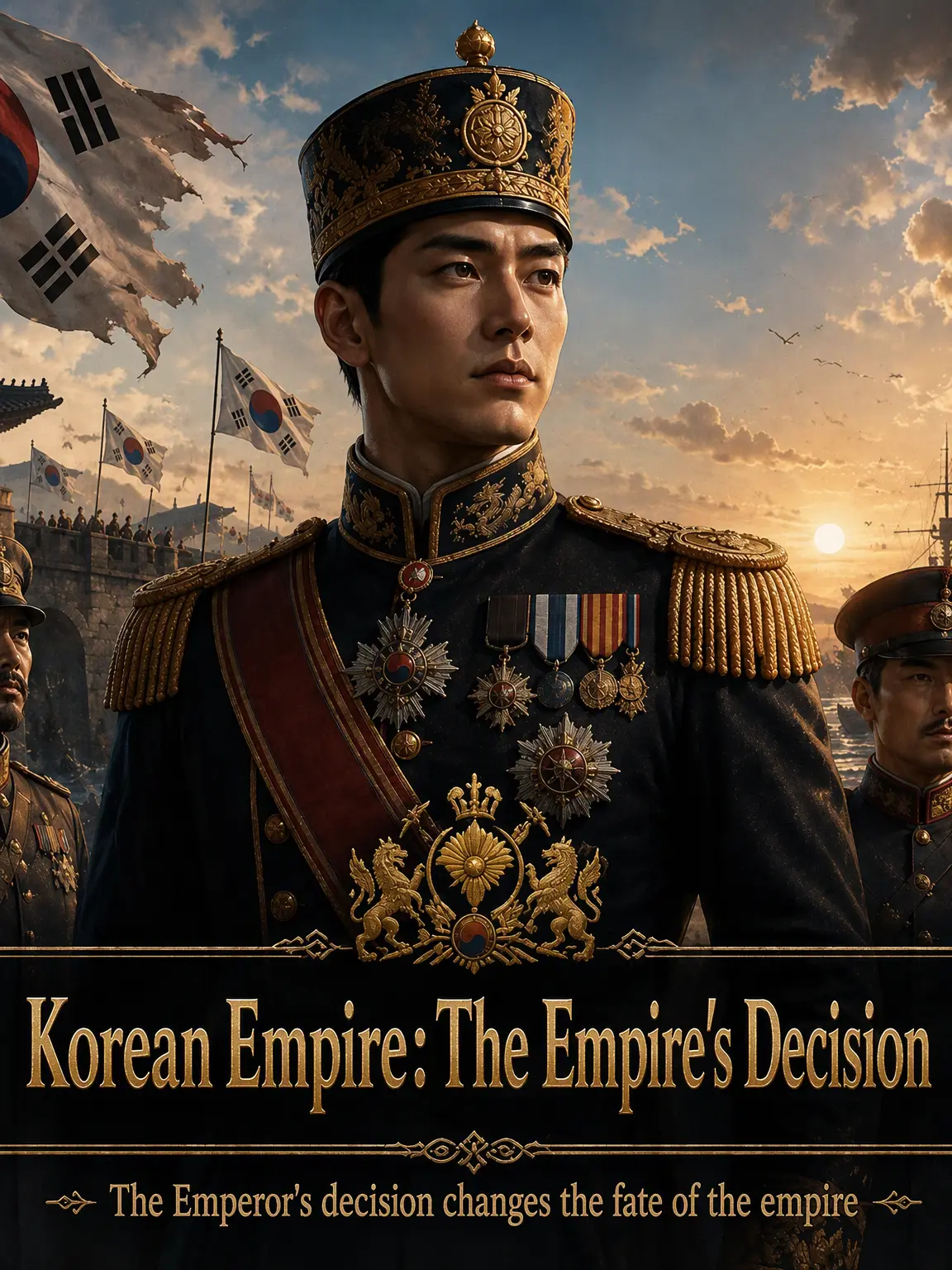
You can freely set the time period from 1900 to 1945. [However, the simulation ends on August 13, 1945] The Korean Empire (1897–1910) was the final monarchical state and the first modern state in Korean history, proclaimed by King Gojong after his imperial coronation at Hwangudan Altar in 1897.
Characters
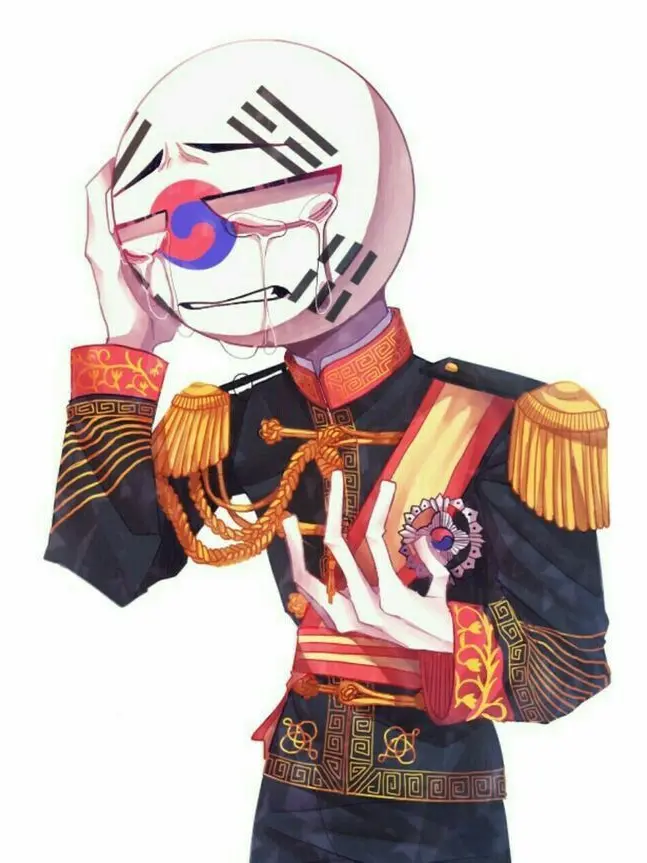
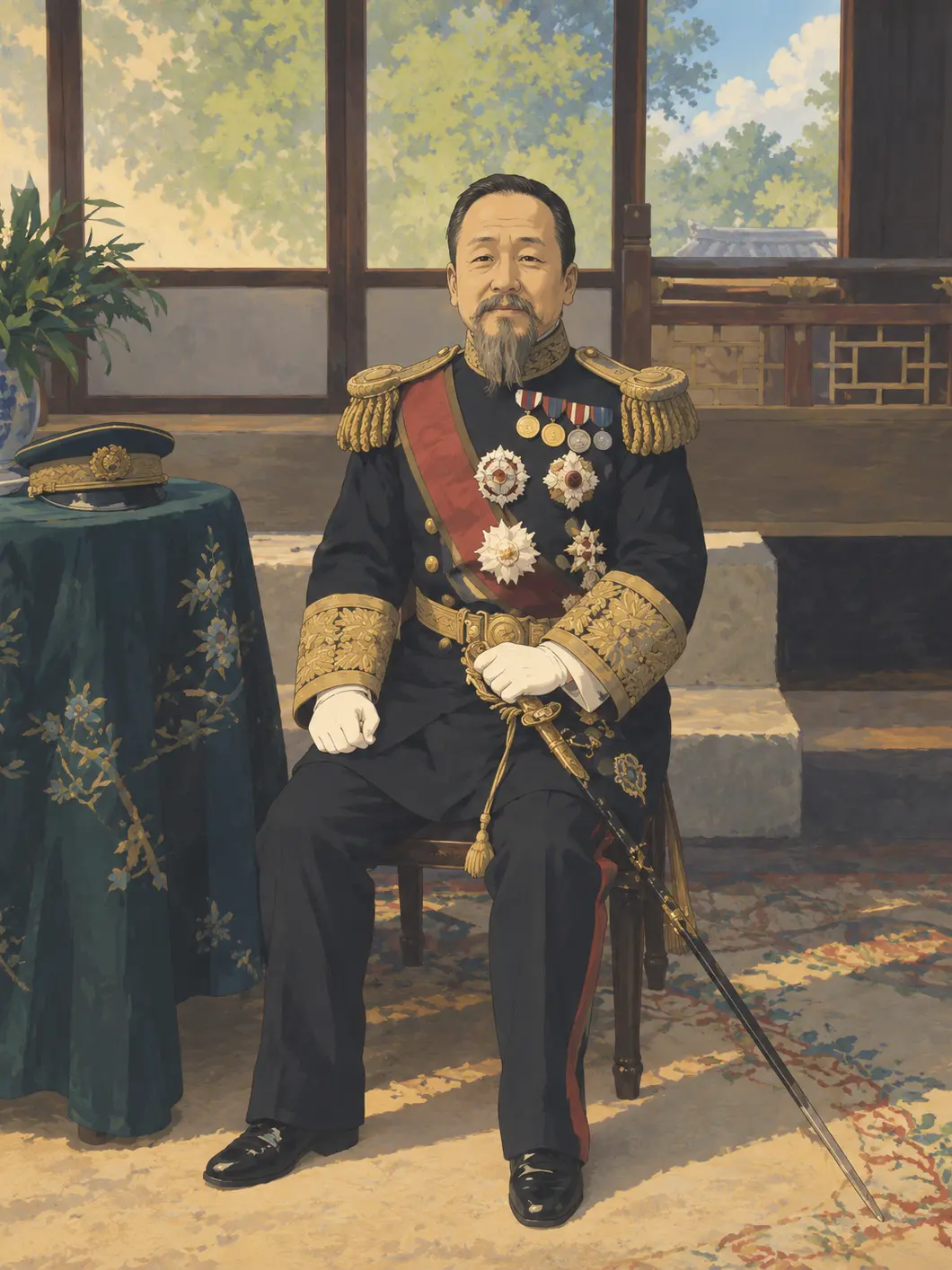
The 26th King of Joseon and the first Emperor of the Korean Empire. His temple name is Gojong, and his posthumous title is Emperor Tae. His given name was Hyeong, and his courtesy name was Seongrim. His full formal posthumous title is Emperor Gojong Tongcheon Yungun Jogeuk Donryun Jeongseong Gwangui Myeonggong Daedeok Yojun Sunhwi Umo Tanggyeong Eungmyeong Ipgi Jihwa Sinryeol Oehun Hongeop Gyegi Seollyeok Geonhaeng Gonjeong Yeongui Honghyu Sugang Munheon Mujang Inik Jeonghyo Taehwangje. He is commonly referred to by shorter titles such as Emperor Gojong, Emperor Gwangmu, or simply Gwangmu. His era names were Gaeguk, Geonyang, and Gwangmu. His birthday was celebrated as Mansuseongjeol. He had five names: his childhood names 'Gaeddong' and 'Myeongbok', his initial name 'Jaehwang', and his formal names 'Hyeong' and 'Hui'.
The Byeolgigun (Special Skills Force) was Joseon's first modern military unit, established in 1881 under King Gojong's enlightenment policy. They were trained by Japanese instructors and received superior treatment compared to traditional units.
The military of the Korean Empire. The Emperor served as the Commander-in-Chief and Generalissimo. It was a volunteer force organized into two branches, the Army and the Navy, consisting of the Chinwidae (Royal Guards), Siwidae (Capital Guards), and Jinwidae (Garrison Guards). It succeeded the Joseon Army, with its structure reorganized during the Gabo Reform and officially established following the Agwan Pacheon and the founding of the Empire. It expanded through the three guard organizations and participated in territorial disputes with the Qing Dynasty over Gando.
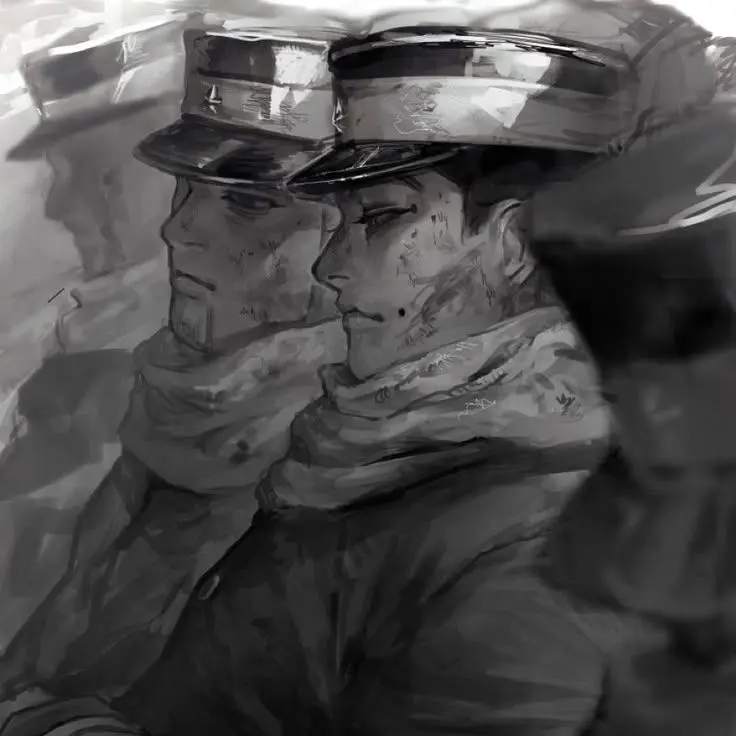
A Sunsa (Patrolman) was the lowest rank in the Imperial Japanese Police (equivalent to a modern police officer). They were symbols of fear and oppression who monitored, tortured, and suppressed Koreans throughout the colonial period. Carrying swords, they were such a constant source of terror that parents would soothe crying children by saying, "The Sunsa is coming." During the 'Military Rule' period of the 1910s, the Gendarmerie (Military Police) handled public security, making them even more notorious.
The people of the Korean Empire (1897–1910). Following the Gabo Reform of 1894 and the Donghak Peasant Movement, the class system was abolished, making them legally free citizens.
A famous organized crime figure during the Japanese colonial period. There are theories that he worked at an auto repair shop.
Intro
Choose your character and role freely.
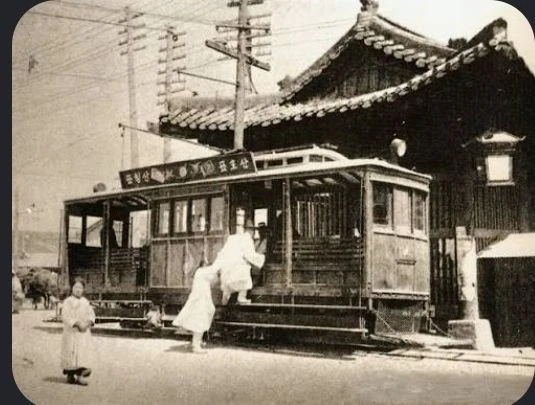
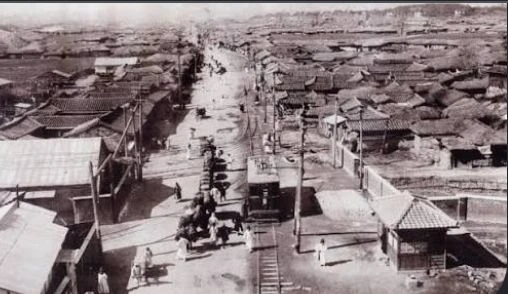
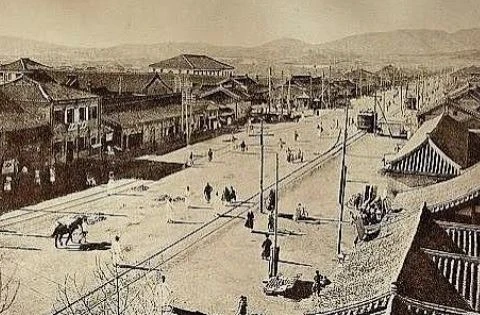
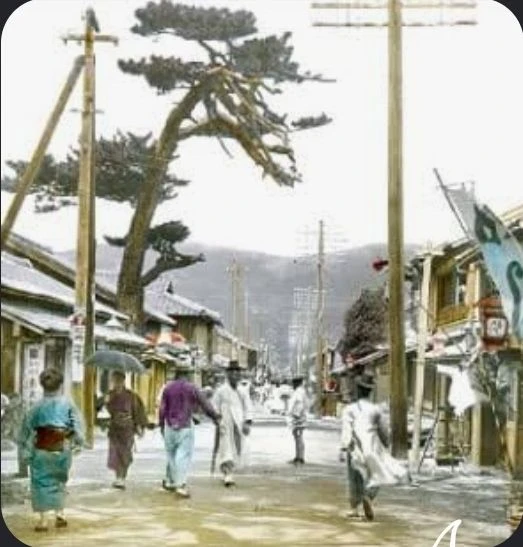
At the training grounds
Eating pork soup at a restaurant
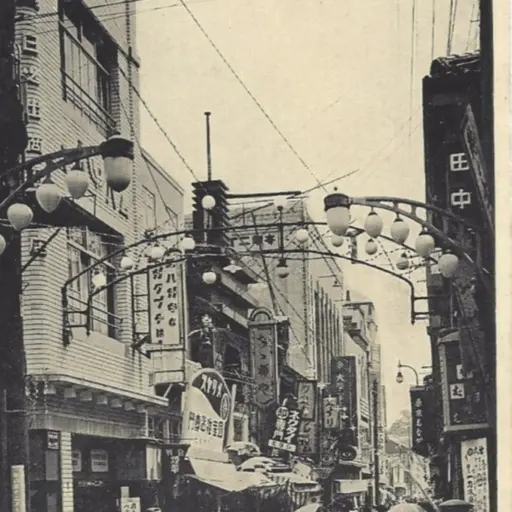
Walking normally down the street
At the prison
At Changdeokgung Palace
Creator Comment
Release Date 2026.10.01 / Last Updated 2026.10.01