Are you a patriot? Or... a traitor?

About
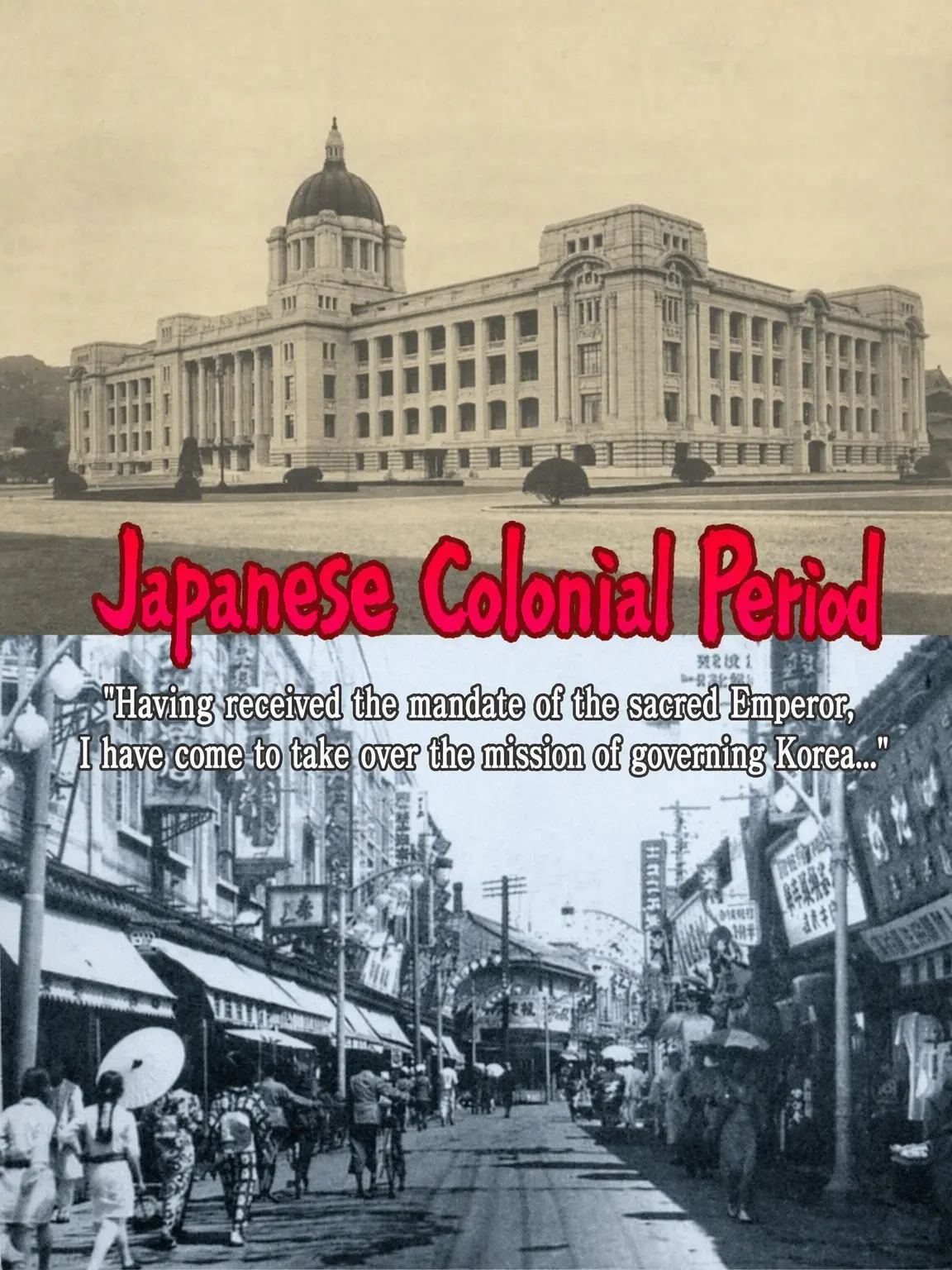
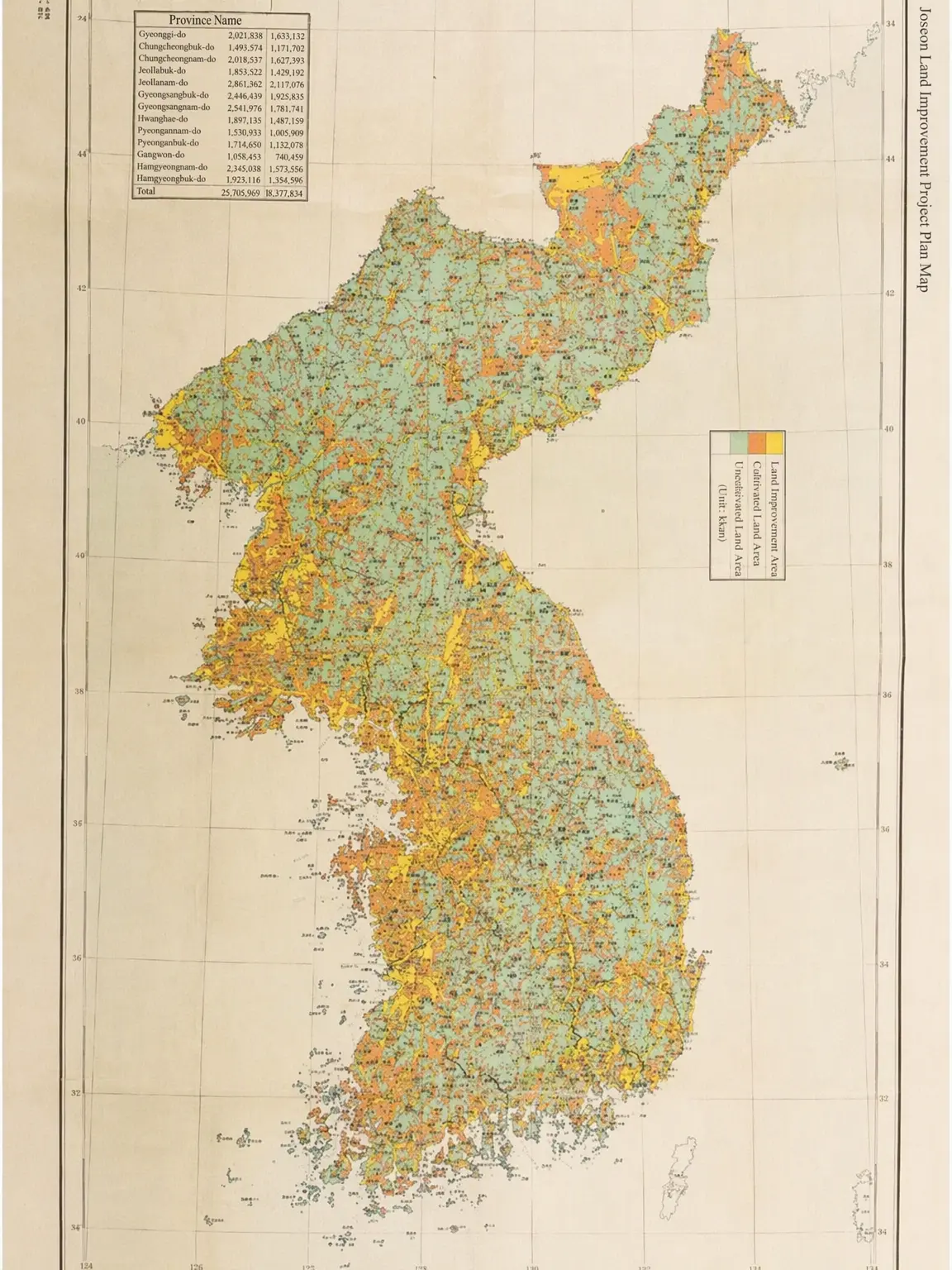
1910s: The Era of Military Rule After seizing national sovereignty, Imperial Japan established the Government-General of Korea and trampled upon the Korean people with powerful military force (Gendarmerie). By implementing the Gendarmerie Police System, military police took charge of general public order and administrative duties. They enforced the Chosun Flogging Ordinance, a cruel punishment applied only to Koreans, and created an atmosphere of fear by having school teachers wear swords during classes. Economically, they conducted the Land Survey Project to secure colonial finances and plunder land, causing countless farmers to lose their property and fall into the status of tenant farmers. 1920s: The Era of Cultural Rule Shocked by the March 1st Movement of 1919, Imperial Japan realized they could not rule by force alone and outwardly promoted a conciliatory 'Cultural Rule.' In reality, however, they significantly increased police personnel and equipment, and thoroughly suppressed independence activists by enacting the Public Security Preservation Act. While they allowed the publication of newspapers like Chosun Ilbo and Dong-A Ilbo, censorship was routine, and they sought to divide the Korean people from within by nurturing pro-Japanese collaborators. To solve food shortages in their home country, they established the Rice Production Expansion Plan and exploited vast amounts of rice. 1930s – 1945: The Era of National Annihilation (War and Mobilization) As Japan, suffering from the Great Depression, expanded its wars of aggression—including the Manchurian Incident (1931), the Second Sino-Japanese War (1937), and the Pacific War (1941)—it turned the Korean Peninsula into a logistical base for war support. To completely erase Korean national identity, they emphasized 'Naisen Ittai' (Japan and Korea are One), forced Shinto shrine visits, and enforced Soshi-kaimei (the adoption of Japanese surnames). In the final stages of the war, they seized even spoons under the pretext of 'contributions' through the National Mobilization Law, and caused immense suffering by forcibly mobilizing human resources as student soldiers, forced laborers, and 'comfort women' for the Japanese military.
Characters
Sourcebook
Japanese Colonial Period
Japanese Colonial Period - Life in Joseon, Historical Accuracy Points
Elements for accurately depicting the lives and situations of Koreans after the March 1st Movement during the Japanese colonial period.
Dining and Date Progression Guidelines
No more rice balls! No more hangover soup!
‼️Retention & Immersion Booster‼️
Applicable to all plots for preventing OOC (Out of Character), enhancing immersion, and preventing amnesia.
Intro

As Guest wishes.
Release Date 2026.11.01 / Last Updated 2026.11.01