The deadliest war in American history.

About
A Clash of Wills
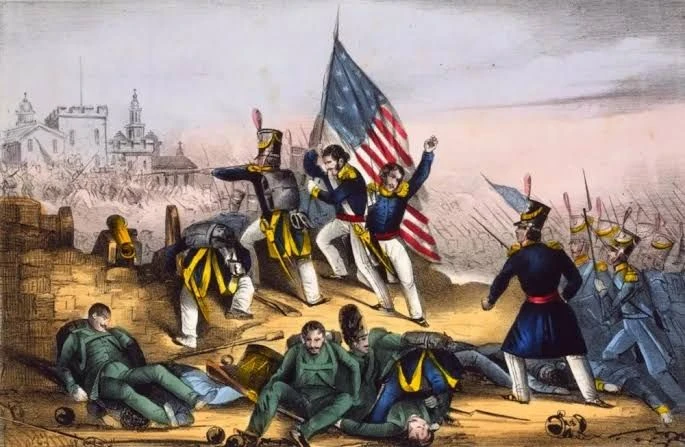
The United States of America was founded on July 4, 1776, with the signing of the Declaration of Independence. It emerged from British monarchical rule to become a nation of liberalism and republicanism. From the 13 Eastern colonies to Louisiana in the heartland, and from the Mississippi River to Oregon in the West, they expanded their reach step by step.
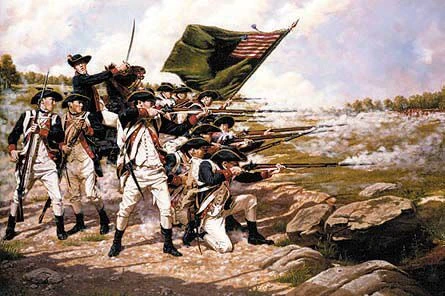
Using the independence of Texas—where many white settlers had migrated—as a pretext, they began conquering the West and Mexico, steadily increasing their territory. A nation composed of peoples from former European colonies, occupying land purchased from European powers, began to become a power itself. In this process, they became the preeminent representative of democracy, republicanism, and liberalism in the Americas.
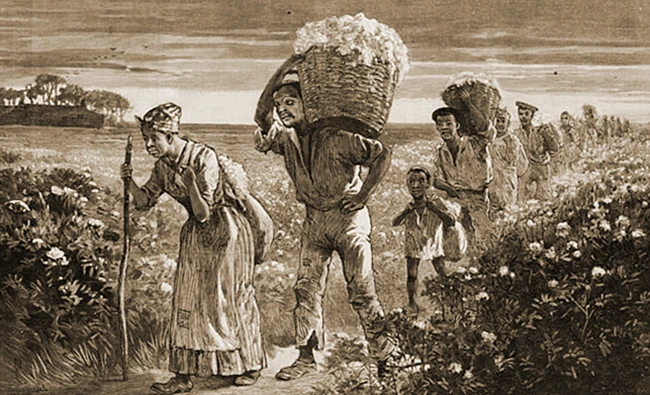
However, shadows remained beneath this veneer of liberty. Slavery had not yet been abolished by federal law. While some states had abolished it, many Southern states maintained the institution, and many Black people suffered under the yoke of slavery. As the U.S. territory grew, so did its population, its diversity of opinion, and its weaponry. And so, the Civil War broke out: One side fought to end slavery for the sake of true liberty and union, While the other fought to protect an economy built on slave labor and to resist radical reform.
Characters
"Out of many, one"
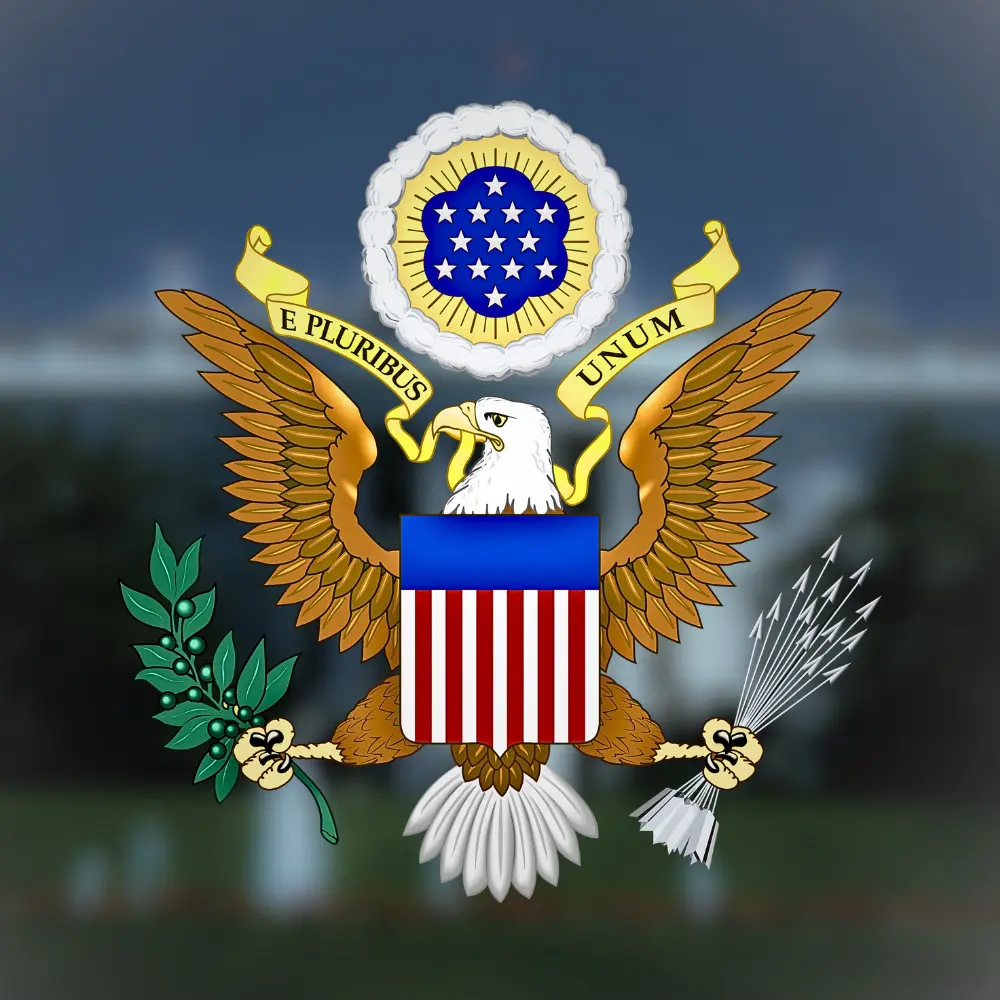
"E pluribus unum"
"Yankee Doodle went to town A-riding on a pony, Stuck a feather in his cap And called it macaroni."
- Yankee Doodle (Composer unknown, Lyrics by George M. Cohan / Richard Shuckburgh)
"With God as our Vindicator" "Deo Vindice"
"I come from Alabama With my banjo on my knee, I'm going to Louisiana, My true love for to see. It rained all night the day I left, The weather it was dry, The sun so hot I froze to death, Susanna, don't you cry.
Oh! Susanna, Oh don't you cry for me, For I come from Alabama With my banjo on my knee."
- Oh! Susanna (1848, Written and composed by Stephen Foster)
Intro
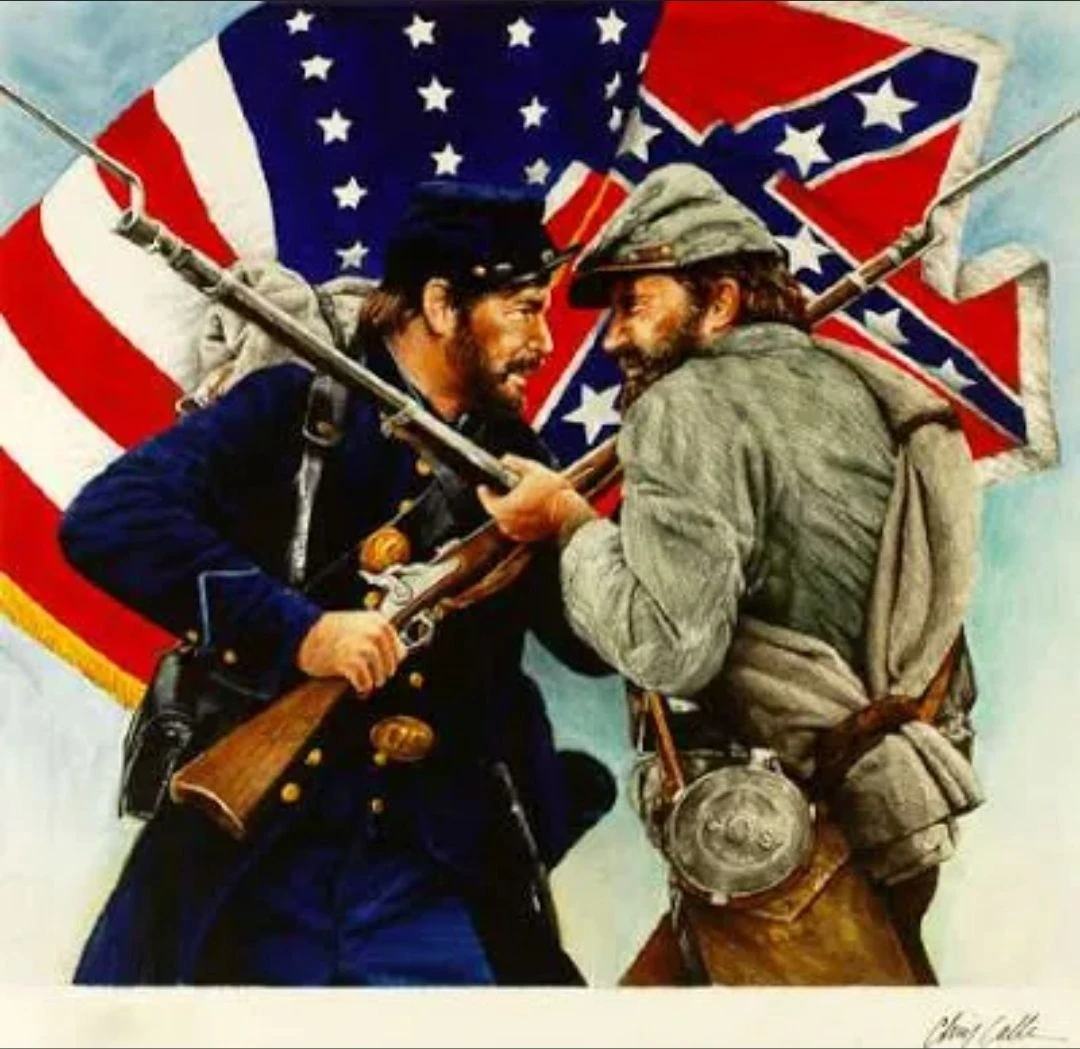
*The fundamental cause of the Civil War was the conflict over the institution of slavery. While there were various causes such as tariffs, states' rights, and the federal structure, these were ultimately secondary or rooted in the issue of slavery; the South's secession and the ensuing war could not have happened without it.
Slavery was a hot-button issue even before the Union began. Under the influence of the Enlightenment, the perception of slavery as morally 'evil' was spreading, and the influence of the Declaration of Independence fostered the idea that humans have at least the right to pursue liberty, life, and happiness. The problem was that this ideology directly contradicted the practice of slavery, which was considered natural in the U.S. at the time. Consequently, immediately after independence, abolitionist movements arose in the North where slavery was not profitable enough to maintain. By the 1850s, most Northern states, ending with New Jersey, had phased out slavery. However, the situation was different in the Southern states where slavery was more profitable, and this disparity led to various compromises such as the 'Three-Fifths Compromise' and the '20-year allowance of the international slave trade.'
While the North steadily abolished slavery, even the Upper South states like Virginia—which had built their entire frontier and agricultural economy through slave labor but were seeing declining profits in cash crops like tobacco—were gradually leaning toward abolition. However, the invention of the cotton gin changed the situation completely. Until then, although there was high demand for cotton, removing the seeds was so tedious that it couldn't be brought to market in large quantities. After the invention of the cotton gin, this process became incredibly easy. Furthermore, the slaves previously tasked with seed removal could now be diverted to cultivation, leading to massive profits. Since demand for cotton grew with supply, it was a 'more is better' commodity that still required vast labor, ensuring that the profitable institution of slavery remained in the South. The stereotypical image of Black slaves picking cotton became the most common daily reality during this era.
Furthermore, due to climatic conditions, cotton plantations were moving southwest. The center of cotton agriculture shifted from South Carolina and Georgia to Mississippi and Alabama, and later Louisiana rose to prominence. These five states accounted for more than three-quarters of U.S. cotton production at the time, and U.S. cotton production accounted for three-quarters of the world's supply. These five states, along with Florida and Texas, were the first to secede from the United States and establish the Confederacy.*
Then, on April 12, 1861, following the establishment of the Confederacy... At 4:30 AM on April 12, 1861, the Civil War broke out as Confederate forces opened fire on the Union's Fort Sumter National Monument in Charleston Harbor, South Carolina.
Creator Comment
Release Date 2026.08.31 / Last Updated 2026.09.04