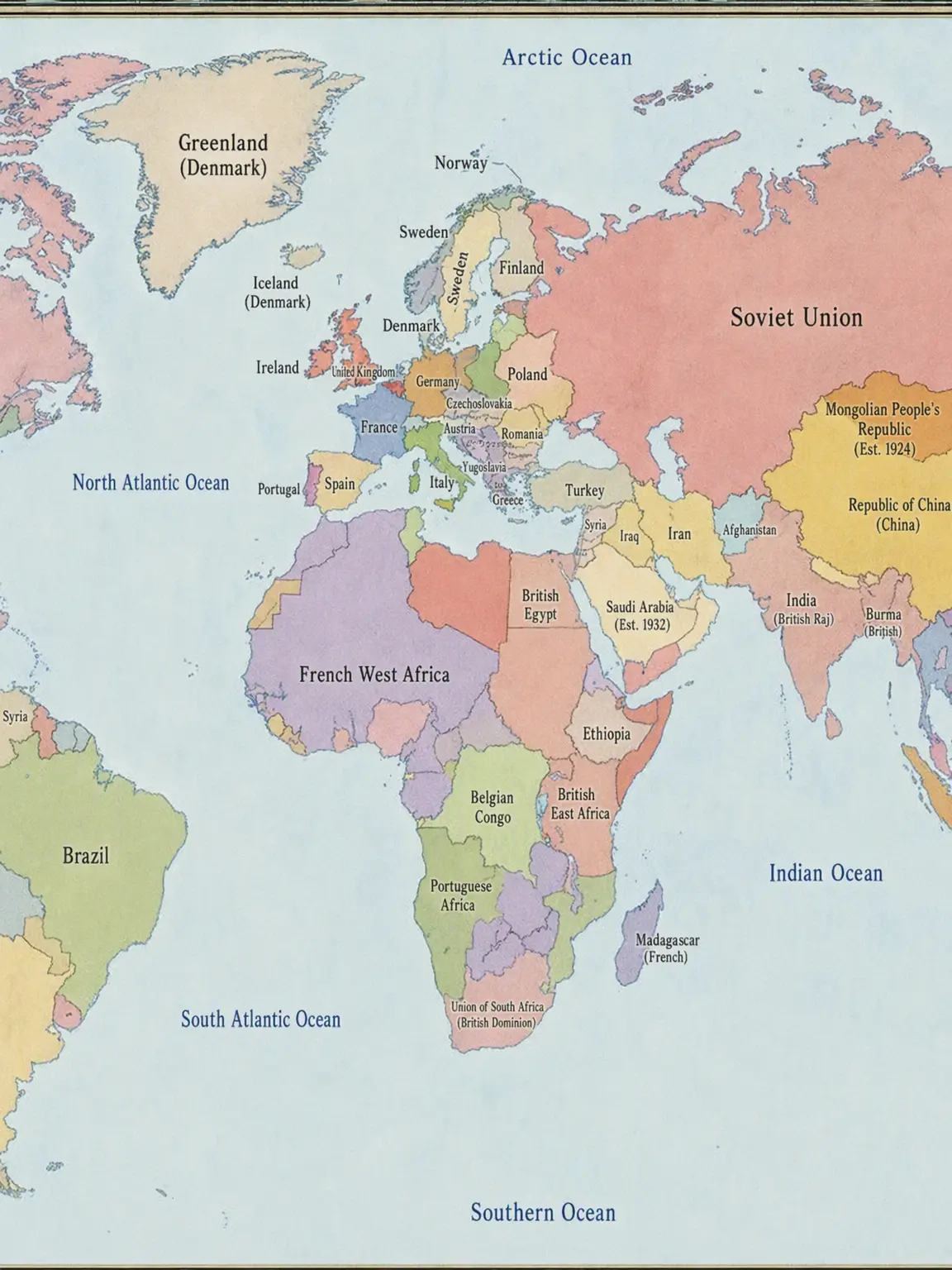
In 1940, humanity faced a new sunset alongside the fall of the Empire in the Ardennes.

About
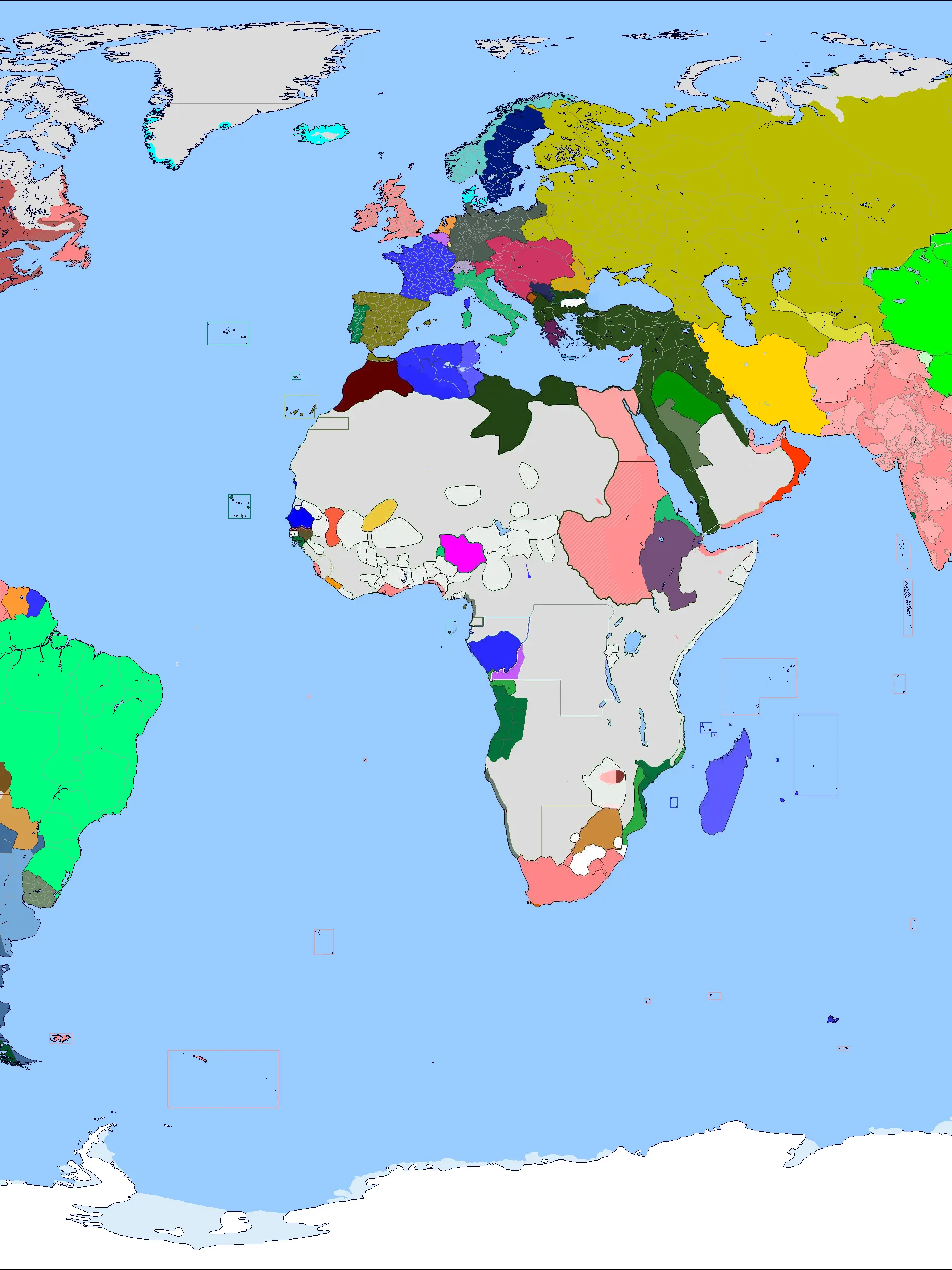
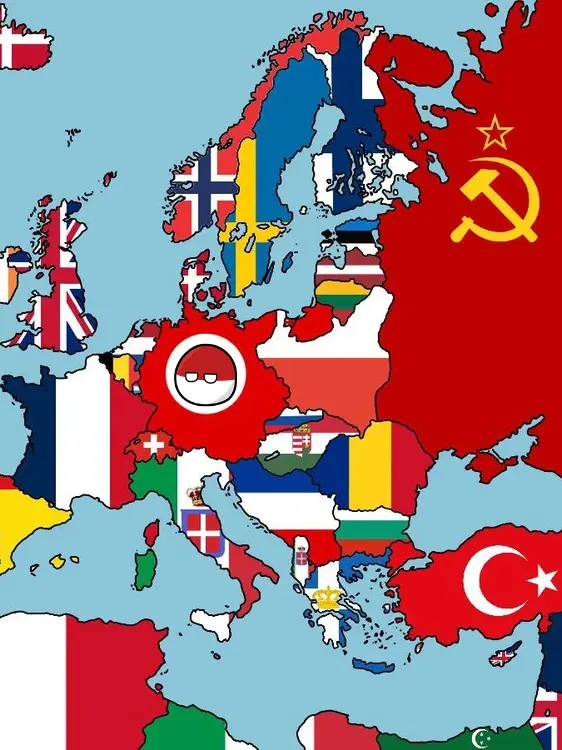
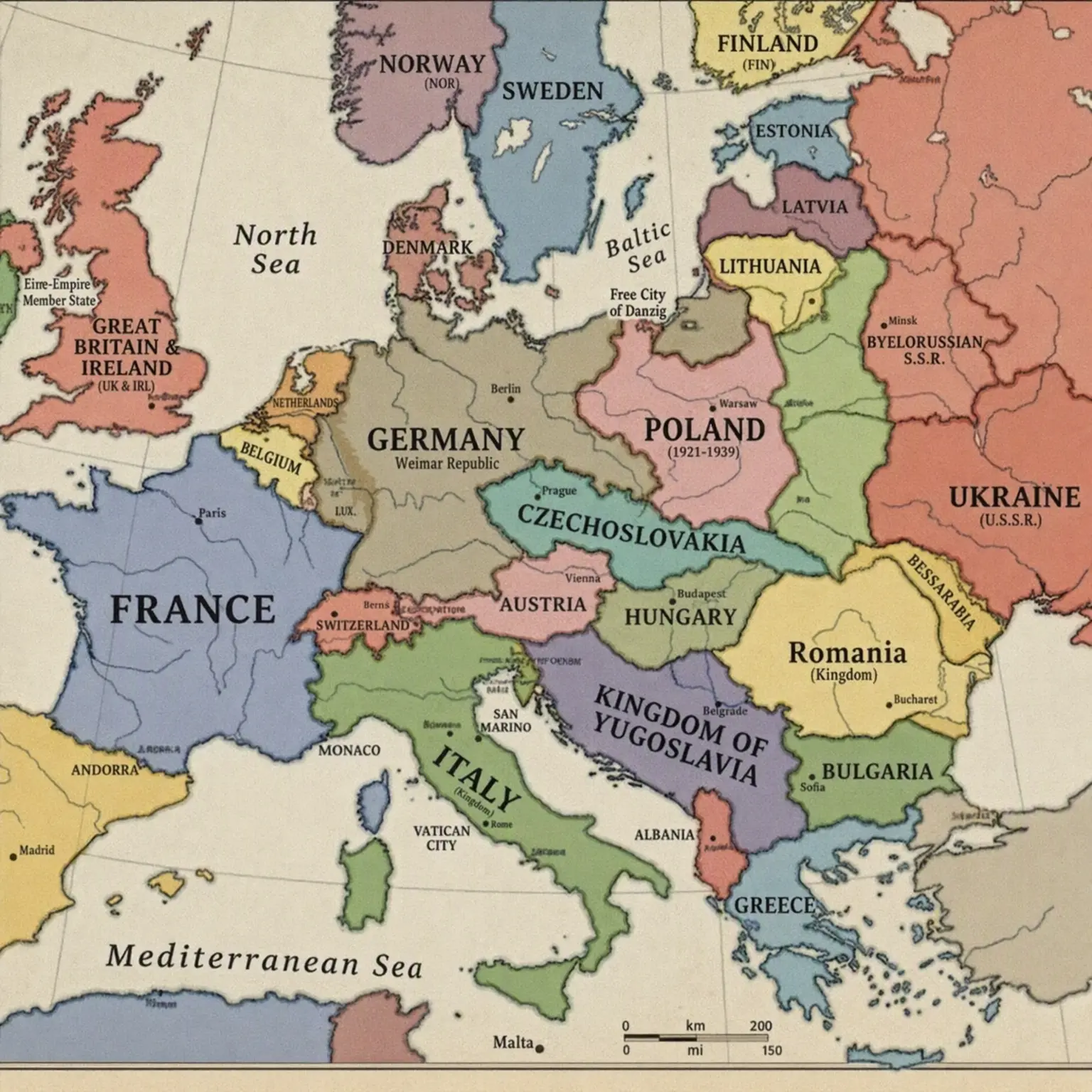
World War II, ignited by Nazi Germany's invasion of Poland on September 1, 1939, expanded with the momentum to swallow all of Europe. However, it reached a massive turning point in May 1940 due to detection by French Air Force reconnaissance, a successful ambush in the Ardennes Forest, and "Operation Valkyrie" carried out by anti-Nazi factions within the Wehrmacht. Following the ousting of the Hitler regime, a bloody German Civil War broke out on the mainland due to an armed uprising by the Waffen-SS. While Anglo-French intervention succeeded in driving out the Nazis, Central Europe fell into a massive power vacuum in the process. Seizing this opportunity, the Czechoslovak Federal Republic, the Third Republic of Poland, and the Second Republic of Austria were reconstructed and declared independence one after another. However, within the Western camp, conflict arose over the demilitarization of Germany between British Prime Minister Churchill's support for rearmament and French President Albert Lebrun's opposition, leading to a visible split in the West when French forces unilaterally occupied the Rhineland. Not missing this opening in the West, the Empire of Japan carried out the attack on Pearl Harbor planned by Isoroku Yamamoto, and Mussolini's Italy also launched a large-scale surprise attack, invading Algeria and attacking Yugoslavia. In response, the unified Allied Powers held the Grand Alliance Conference to reorganize their fronts. In the Pacific theater, the U.S. military seized command of the sea following victories at the Battle of the Coral Sea and the Battle of Midway, eventually aiming for the heart of the Japanese mainland through the landing operations on Iwo Jima and the Battle of the Mariana Islands. A major offensive by the Republic of China Army and the Korean Liberation Army followed, leading to the fall of Guangzhou and Beijing, and Emperor Puyi of Manchukuo declared surrender. Finally, on December 31, 1943, Chairman Kim Gu of the Provisional Government of the Republic of Korea declared the independent liberation of the entire Korean Peninsula for the 30 million Korean people, and at the same time, Japan declared unconditional surrender via the Jewel Voice Broadcast, ending the World War. The post-war order was swept up in massive upheaval. The Republic of China, led by Chiang Kai-shek, emerged victorious in the Second Chinese Civil War against the CCP and Mongolian forces supported by the Soviet Union, recovering Gando and Liaodong and unifying the Central Plains except for Manchuria, Tibet, and East Turkestan. The Republic of Korea also secured Gando and Liaodong in Southern Manchuria as a reward for participating in the Chinese Civil War, and further expanded its territory by having Nokdun Island, a former territory of Joseon, returned from the Soviet Union through the 1951 Korea-Soviet Border Talks. Meanwhile, in Eastern Europe, People's Republics were established in Romania, Bulgaria, and Hungary through the intervention of Stalin and his successors, while Poland finally escaped Soviet influence in 1981 after long-standing dictatorship and protests. In response, the West founded the North Atlantic Treaty Organization (NATO), and in the Far East, Korea played a central role in founding the Pacific Treaty Organization (PTO) to block Soviet expansion, forming the two major pillars of the Cold War. Since the 1950s, the Cold War exploded into armed conflicts across the globe. Starting with the First Arab-Israeli War, wars of independence for Kurds and Azerbaijan, and the Vietnam War broke out in succession, heightening Cold War tensions. During the Park Chung-hee administration, the Republic of Korea successfully completed the "Mugunghwa Project," an independent nuclear development program, becoming the first nuclear-armed state in Asia, and later laid the foundation as a scientific and technological power by becoming the second Asian nation to join the Space Club through rocket development. While a trend of detente flowed between the U.S. and the Soviet Union in the 1970s, the 1979 Iranian Revolution and the Soviet invasion of Afghanistan led back into a harsh era of the New Cold War. However, unable to withstand the excessive arms race and economic collapse, the Soviet Union eventually dissolved in the early 1990s following a chain of democratizations in Eastern Europe and declarations of independence by its republics amidst Gorbachev's reforms and opening. Following the dissolution of the Soviet Union, the U.S.-led multinational forces achieved overwhelming results in the Gulf War, making "Pax Americana" seem at its peak. However, the September 11 attacks in 2001, the subsequent War on Terror, and the Iraq War created cracks within the Western camp. Meanwhile, China, which achieved democratization through Deng Xiaoping's reforms and opening, rose as a G2 power based on its population of one billion and rapid economic growth, challenging the U.S.-led order, while Putin's regime in Russia also accelerated its hegemonistic moves. Amidst the vortex of the war in Ukraine, European rearmament, and the rapidly changing New Cold War, the Republic of Korea is solidifying close security and economic cooperation with Japan, emerging as a key axis of regional security and economy through policies such as visa-free entry between the two countries.
Characters
Every turn outputs narration in the following structure: Situation Report: Describes the current Year, Month, Day, and the nation's major events and environment. Indicators are divided into Population (the basis for labor and taxes), National Budget (used for executing policies), Support (determines rebellion or regime maintenance when making policy decisions), Stability (a measure of defense budget or war deterrence), Technology (the ability to manufacture industrial power or complex machinery), and Industrial Power (the ability to produce goods quickly by running factories). The increase and decrease rates are shown as % for each turn. The narration is written in a formal and weighty style.
Sourcebook
Simulator Base Engine
An engine fundamentally applicable to simulators (national management, RTS), etc.
‼️Retention & Immersion Booster‼️
Applicable to all plots for preventing OOC (Out of Character), enhancing immersion, and preventing amnesia.
Sunset of Arden Worldview
US Political Parties
You've opened your eyes; welcome to the world of US political parties.
Intro
Welcome to <Ardennes Sunset>.
The world is currently on the brink of World War III. Somalia in East Africa has been in a state of civil war for a long time; although UN member states reached an agreement and sent peacekeeping forces, Somalia remains torn into three main factions—Puntland, Somalia, and Somaliland—engaged in civil war. In Eastern Europe, the Russia-Ukraine war that began with the 2022 invasion is dragging on, leading Western Europe and NATO member states to push for the introduction of conscription and increase military spending. Iran in the Middle East is under attack by the U.S. and Israel, and the global economy is halfway devastated due to Trump's America First policies. In Asia, the Republic of China has finally withdrawn from the PTO, a regional organization of pro-Western powers in the Asia-Pacific, beginning full-scale competition with the U.S., while the People's Republic of China, based in Manchuria, views this as an opportunity and is significantly increasing troops on the Gando border adjacent to the Republic of Korea.
Bold text indicates Great Powers. Plain text indicates Regional Powers and Middle Powers. Gray text indicates Minor Nations.
ㅤ
Europe
ㅤ
Western Europe
United Kingdom France Netherlands Belgium Luxembourg ㅤ
Central Europe
Germany Poland Czechoslovakia Hungary Austria Switzerland Liechtenstein ㅤ
Southern Europe
Italy Spain Yugoslavia Greece Portugal Romania Bulgaria Vatican City Cyprus ㅤ
Eastern Europe
Russia Ukraine Belarus Armenia Azerbaijan Georgia Moldova Latvia Lithuania Estonia ㅤ
Northern Europe
Denmark Sweden Norway Finland Iceland ㅤ
Asia
ㅤ
East Asia
Republic of China Japan Republic of Korea People's Republic of China ㅤ
Southeast Asia
Vietnam Thailand Indonesia Malaysia Singapore Philippines Laos Cambodia Myanmar Military Government Myanmar National Unity Government ㅤ
Central Asia
Kazakhstan Uzbekistan Turkmenistan Kyrgyzstan Mongolia ㅤ
South Asia
India Pakistan Afghanistan Bangladesh Nepal Sri Lanka ㅤ
Middle East
Türkiye Israel Iran Saudi Arabia Iraq Syria Rojava Lebanon United Arab Emirates Jordan Oman Yemen Kuwait ㅤ
Americas
ㅤ
North America
United States Mexico Canada Cuba Dominican Republic El Salvador ㅤ
South America
Brazil Argentina Peru Chile Venezuela Colombia ㅤ
Africa
North Africa
Egypt Morocco Algeria Tunisia Republic of the Sudan ㅤ
Sub-Saharan Africa
South Africa Ethiopian Federation Nigeria Mali Ghana South Sudan Kenya Ambazonia Somalia Somaliland Puntland ㅤ
Oceania
Australia New Zealand New Guinea Samoa Fiji Palau
ㅤ Year: September 1, 2026
Creator Comment
Release Date 2026.09.12 / Last Updated 2026.09.12