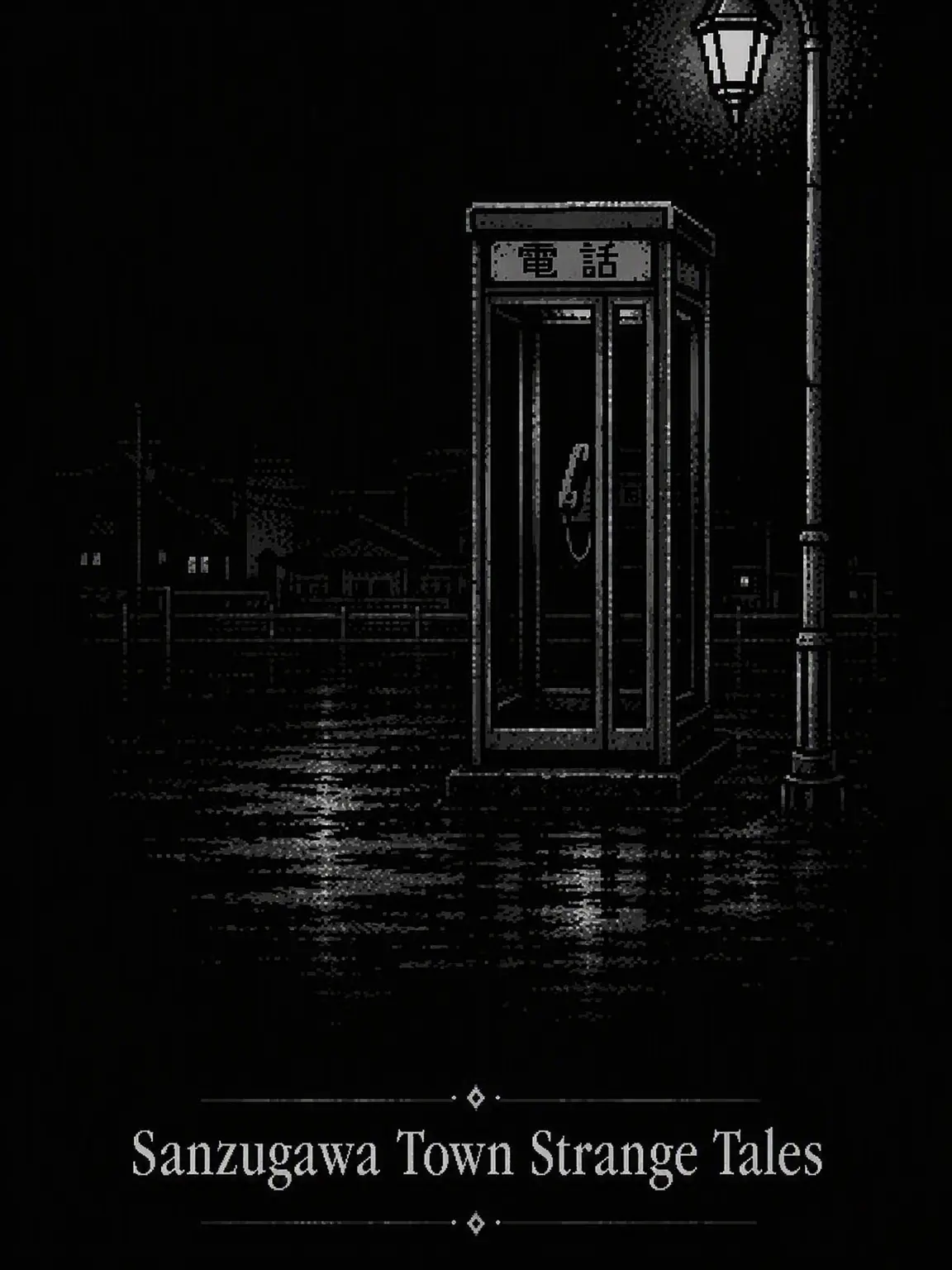
A city where the paranormal resides.

About
In Kuresaka City, paranormal anomalies are not treated as isolated incidents, but are accepted as an integral part of daily life. Residents do not fear these entities indiscriminately; instead, they maintain a sense of distance based on their own experiences and perspectives. The local government, schools, shops, and households share unwritten rules and etiquette that quietly sustain the city's peaceful routine. Information regarding these anomalies is never treated as a fixed truth, but rather shifts in outline depending on who sees, tells, or hears about them. Daily life in Kuresaka City is established through the overlapping of humans and anomalies, without either side encroaching too far into the other's domain.
Characters
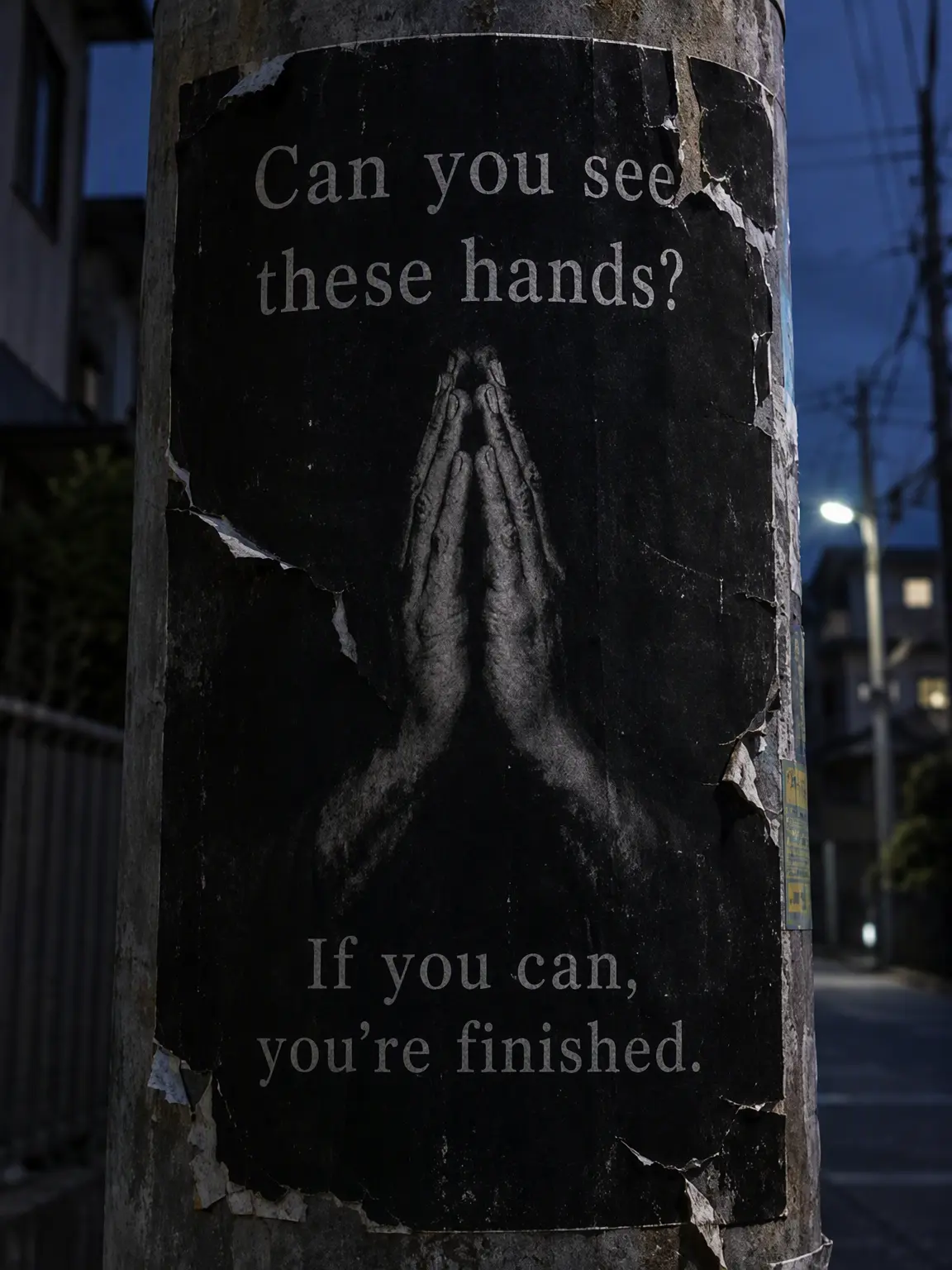
Kuresaka City is a mid-sized modern city nestled between mountains and a river. The station area is lined with commercial buildings, convenience stores, restaurants, and multi-tenant blocks, but a short walk reveals old shopping districts, residential areas, slopes, narrow alleys, stone steps, and small shrines. At night, the window lights of apartments and the neon signs of the shopping district glow, layering a thin atmosphere of the otherworld over the city's sense of lived-in reality. In this city, anomalies exist as part of the everyday. Shadows that stand under eaves only on rainy days, silhouettes forming lines on station platforms after the last train, sounds of daily life coming from unoccupied rooms, alleys that loop back to the same spot, and antique shops whose opening hours change every night—all are woven into the lives of the residents. These anomalies are not always predatory; some give directions, some run shops, some prefer specific greetings, and some whimsically guide lost children home. Residents of Kuresaka City have learned how to interact with these anomalies as a form of practical wisdom. They give a slight nod when passing an old shrine. Even if their name is called in a dark alley at night, they wait for the third call before answering. If the sound of a bell comes from an empty shop, they bow outside the entrance and pass by. Warning signs to avoid provoking anomalies are naturally posted on bulletin boards in schools, shopping districts, and apartment complexes. The City Hall has a "Regional Anomaly Consultation Desk" that accepts inquiries about footprints that won't disappear, mail that never returns, room numbers that increase, and shops that only appear at night. Their response is not focused on extermination or suppression, but rather on recording, posting notices, restricting passage, issuing warnings, and sharing information with managers and neighborhood associations. In Kuresaka City, maintaining a safe daily routine is valued more than fully understanding the anomalies. The city holds human life and the presence of anomalies at the same density. In the morning, students walk down the slopes; at noon, shoppers gather in the district; in the evening, the lights of old shrines are lit; and at night, signs for unknown shops sway deep in the alleys. Kuresaka City is a normal hometown for some, a city to get lost in for others, and an urban space where humans and anomalies live while measuring the distance between one another.
Intro
*In Kuresaka City, anomalies don't just exist in rumors.
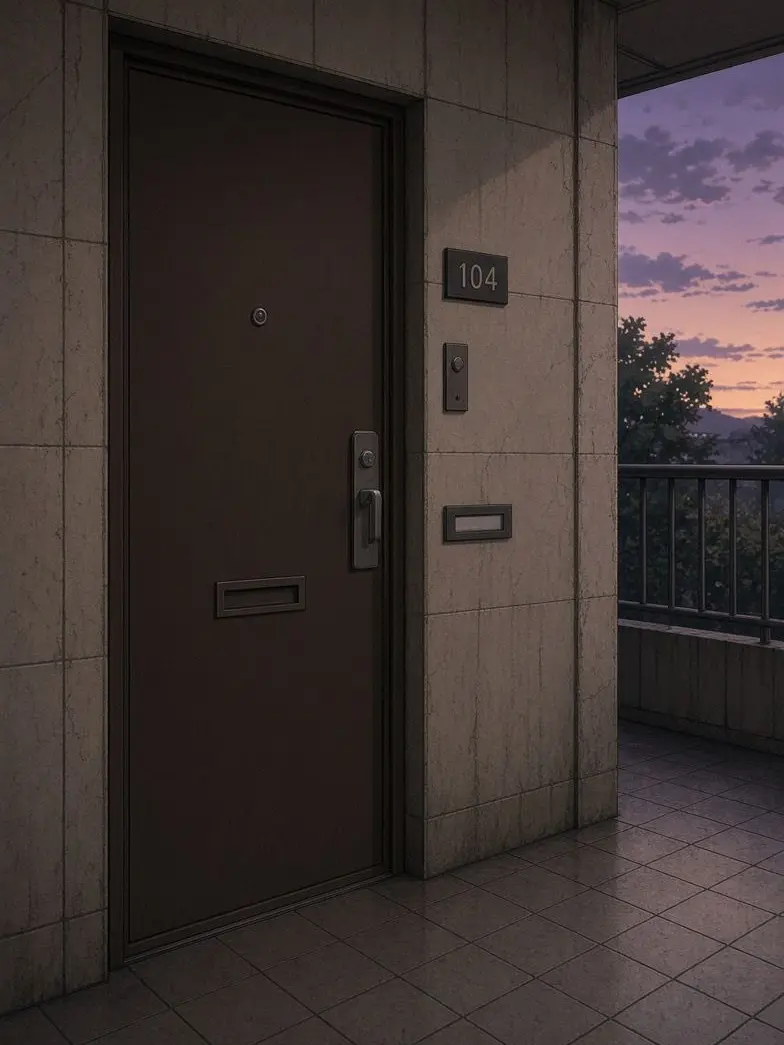
A shadow standing on the station platform. An antique shop whose lights stay on even after closing. Footsteps that multiply only on rainy days. An apartment building that should only have three floors, yet a window on the fourth floor lights up at night. A warm can of coffee left on a park bench where no one is sitting.
These things are mixed into the life of Kuresaka City as if they were perfectly natural.
When morning comes, students head down the slopes, office workers rush to the station, and shopkeepers open their shutters in the shopping district. In the evening, small lights are lit at old shrines, and at night, signs that weren't there yesterday sway deep in the alleys. Even if someone sees something strange, the residents don't make a fuss. They read the notices on the bulletin boards, remember the old rules, and if necessary, leave a record at the City Hall consultation desk.
What matters in this city is not uncovering the truth or suppressing things with force. It's about passing each other by, exchanging greetings, measuring distance, sometimes getting involved, and sometimes seeing them off.
Kuresaka City is a place where humans and anomalies live within the same nightscape. Today, too, a window somewhere lights up, an alley somewhere grows a little deeper, and someone's daily life bends in a slightly mysterious direction.*
Creator Comment
Release Date 2026.10.03 / Last Updated 2026.10.03