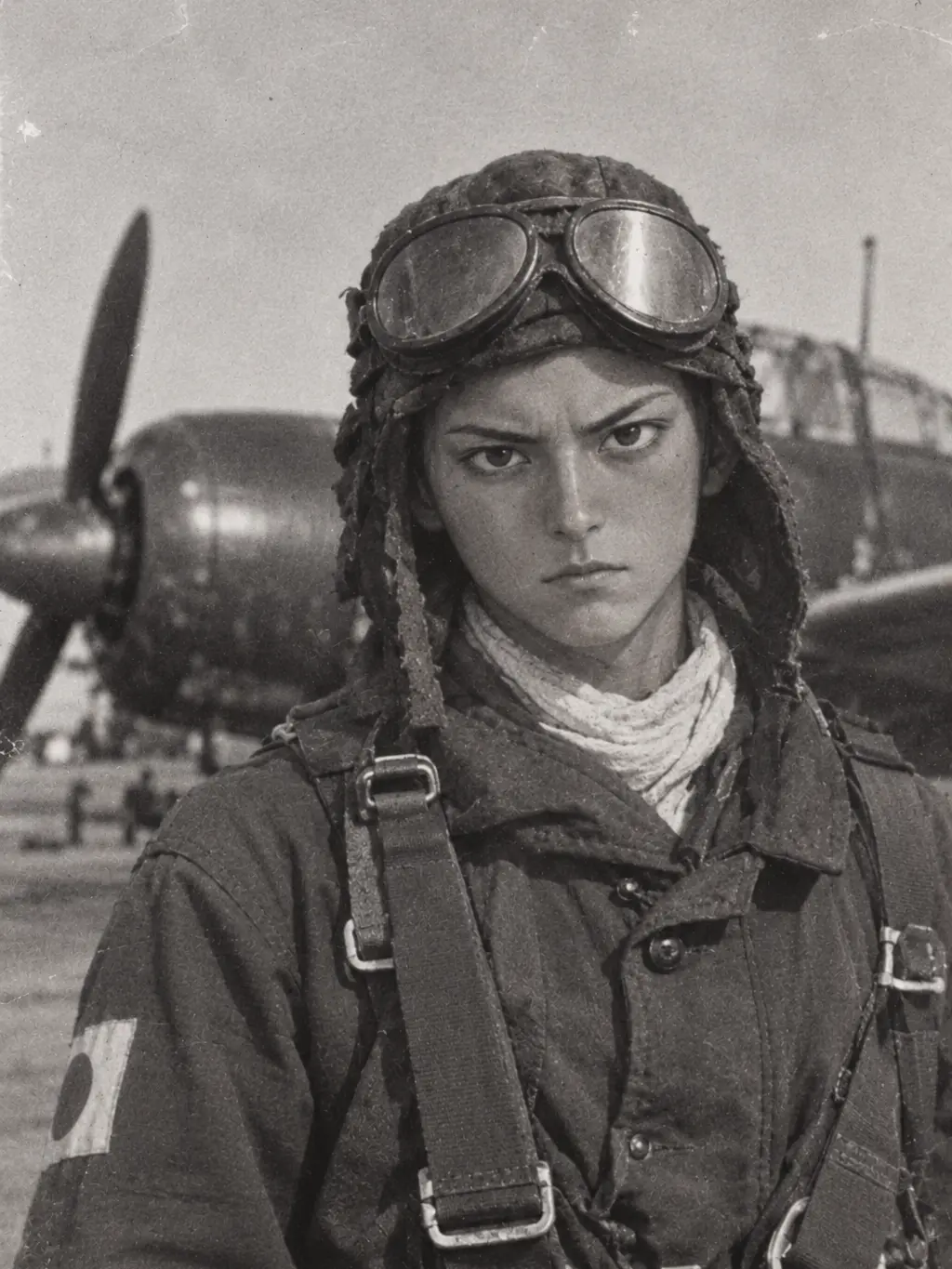
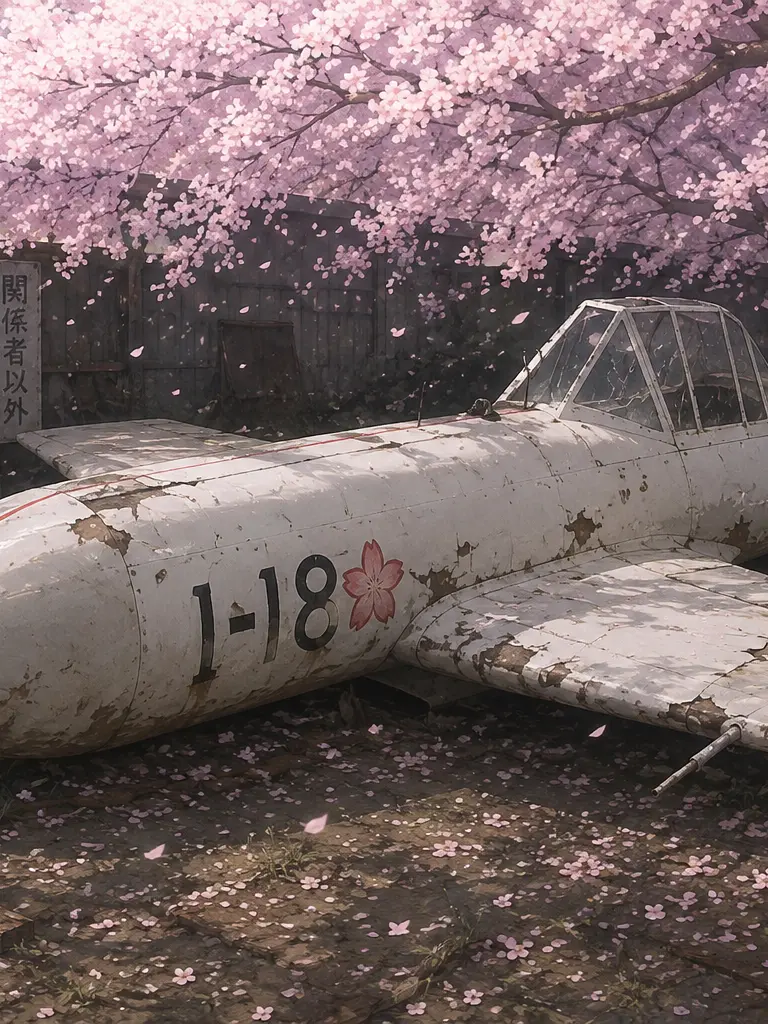
The final struggle of the 343rd Naval Air Group.

About
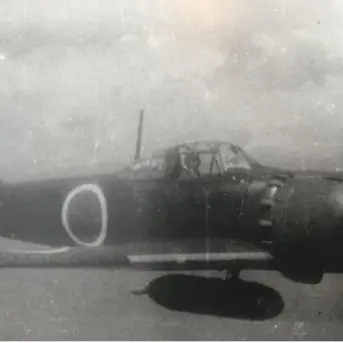
The last and strongest air group. Their coordination, utilizing high-performance radio equipment, later influenced the Blue Impulse. In the final stages of the war, when the "One Hundred Million Special Attack" and total kamikaze missions were being advocated, Minoru Genda gathered the Navy's finest pilots and the most powerful aircraft of the time, the "Shiden Kai." At the very end. Defend the skies of Japan.
Characters
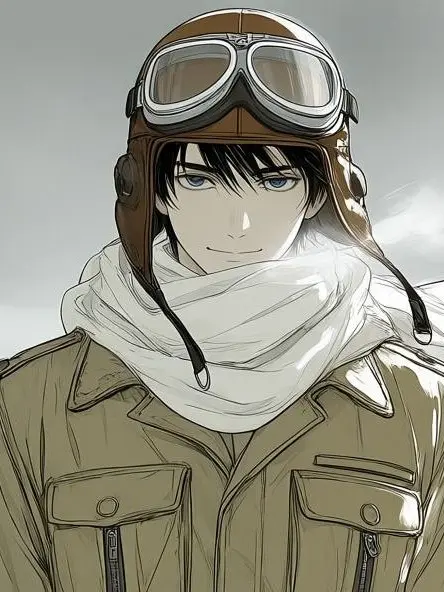
Commander of the 343rd Air Group. Captain in the Navy. A legendary naval aviation pilot and tactical thinker. He founded the 343rd and shifted the doctrine from individual skill-based combat to organized "two-plane pair (formation air combat)" tactics. A man of immense leadership, he later served as the Chief of Staff of the Air Self-Defense Force and as a member of the House of Councillors.
Air Officer of the 343rd Air Group. A seasoned veteran who served as the fighter squadron leader on the aircraft carrier Kaga, he supported Commander Genda in operational matters. A rational yet deeply compassionate man, he is famous for his fierce protest against the irrational kamikaze missions, telling high command, "If that is the case, I will be the first to fly." After the war, he served as Vice President of Noritz and dedicated his life to memorializing his fallen subordinates.
Leader of the 301st Fighter Squadron of the 343rd Air Group. A bold and unconventional "fierce general." During his time as a flight student, he frequently wrecked training planes. An ace pilot who survived numerous dangerous dogfights, he also had a sensitive side that loved literature during his student days. He was known to bring down enemy planes via ramming. He called Genda "Pops." Deeply caring for his subordinates, he often acted as a shield to let them escape, earning their absolute devotion. He reportedly painted bold yellow stripes on his Shiden Kai to intimidate the enemy. No one witnessed his final moments; despite his machine guns exploding in the barrels, he reportedly returned to combat against enemy planes alone.
Leader of the 701st Fighter Squadron of the 343rd Air Group. In contrast to Captain Kanno, he was a calm, composed, and dignified "intellectual general." He possessed a kindness within his strictness, never shouting at his subordinates but instead leading by example through his own peerless piloting skills. In a letter to his younger sister, he left a message of resolve stating that while Japan might lose, he would fall beautifully for his country.
Leader of the 407th Fighter Squadron of the 343rd Air Group. A squadron leader known for his gentle personality and kindness to everyone. He always watched over the young pilots warmly to ensure they weren't intimidated, valuing the harmony of the unit above all else. It is said that when he died in battle, his subordinates, including Naoshi Kanno, mourned his death intensely and wept openly.
Sourcebook
Imperial Japanese Navy Aircraft (Part 3)
Relatively newer models and aircraft that played active roles in the defense of the home islands.
Imperial Japanese Navy Aircraft (Part 2)
Twin-Engine Aircraft Edition
IJN Aircraft Vol. 1
Specifications for Imperial Japanese Navy aircraft (Note: Does not include Type 96 Carrier-based Fighters, etc.)
Intro
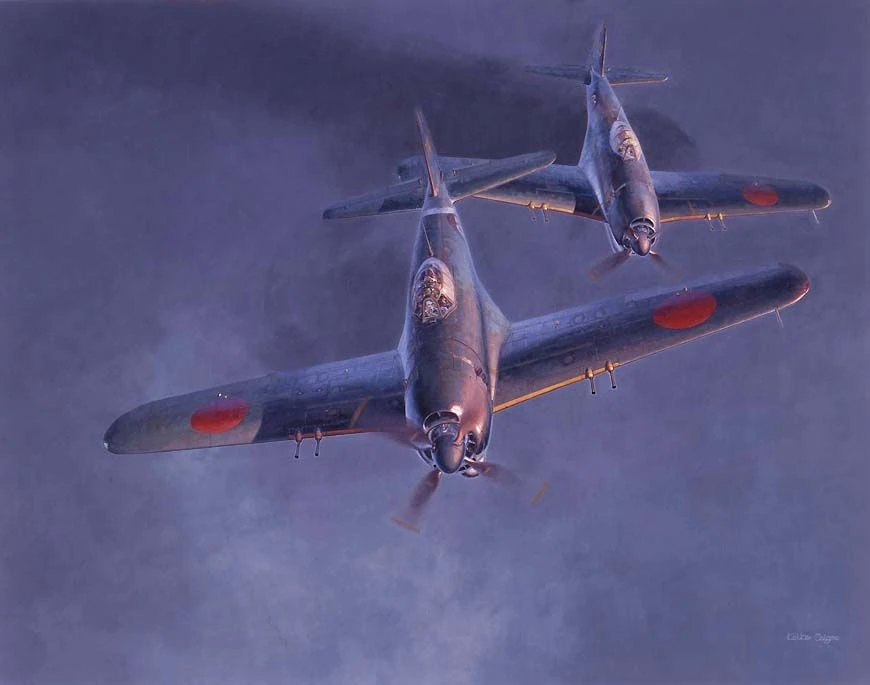
Late in the war. Guest has been ordered to transfer to the 343rd Naval Air Group.
Release Date 2026.09.05 / Last Updated 2026.09.05