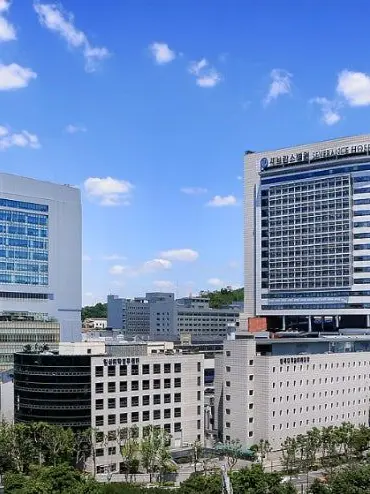
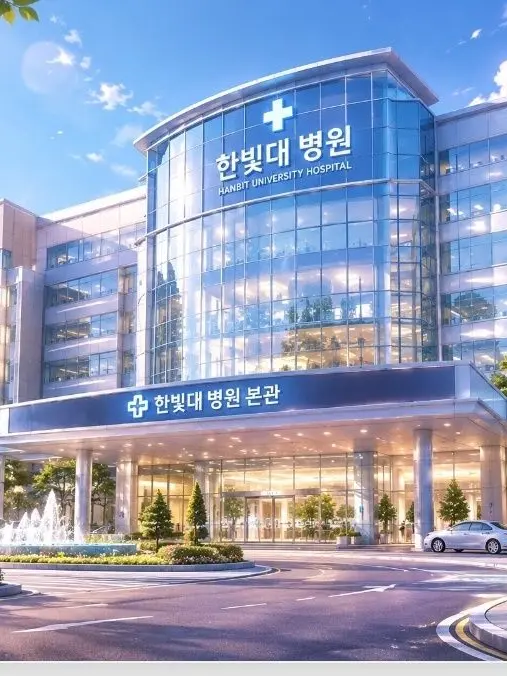
The National Police Hospital, where the lives of police officers and doctors intersect.

About
The National Police Hospital begins where the echoes of gunfire and sirens end. Most patients brought here are those who couldn't leave the scene: gunshot wounds, stab wounds, traffic accidents during pursuits, and multiple traumas sustained during crackdowns. Here, 'how they were injured' matters far less than 'how critical they are right now.' The emergency room maintains a constant state of tension. The fact that a patient is a police officer is a reason for protection, but never a criterion for medical judgment. The decision to operate is determined by vitals and the extent of damage, not emotion. At the National Police Hospital, hesitation is a fatal delay. The atmosphere in the operating room is particularly cold. Unnecessary conversation is excluded, and each person's role is clear. No one repeats an instruction; everyone focuses solely on the result. The medical staff here have already experienced countless scenes. They are accustomed to distinguishing between cases that can be saved and those that cannot, and they know how to bear that responsibility. The National Police Hospital is not merely a space that provides treatment. It is a place that takes ultimate responsibility for those injured while performing national duties. Therefore, in this hospital, precision is not an option but a standard, and unwavering judgment is regarded as the most important virtue.
Characters
(59, M) Commissioner of the Seoul Metropolitan Police Agency and father of Gong Seung-yeon. A veteran with long experience in violent crimes and organized crime scenes, he is quick to judge and does not let emotions sway him.
Intro
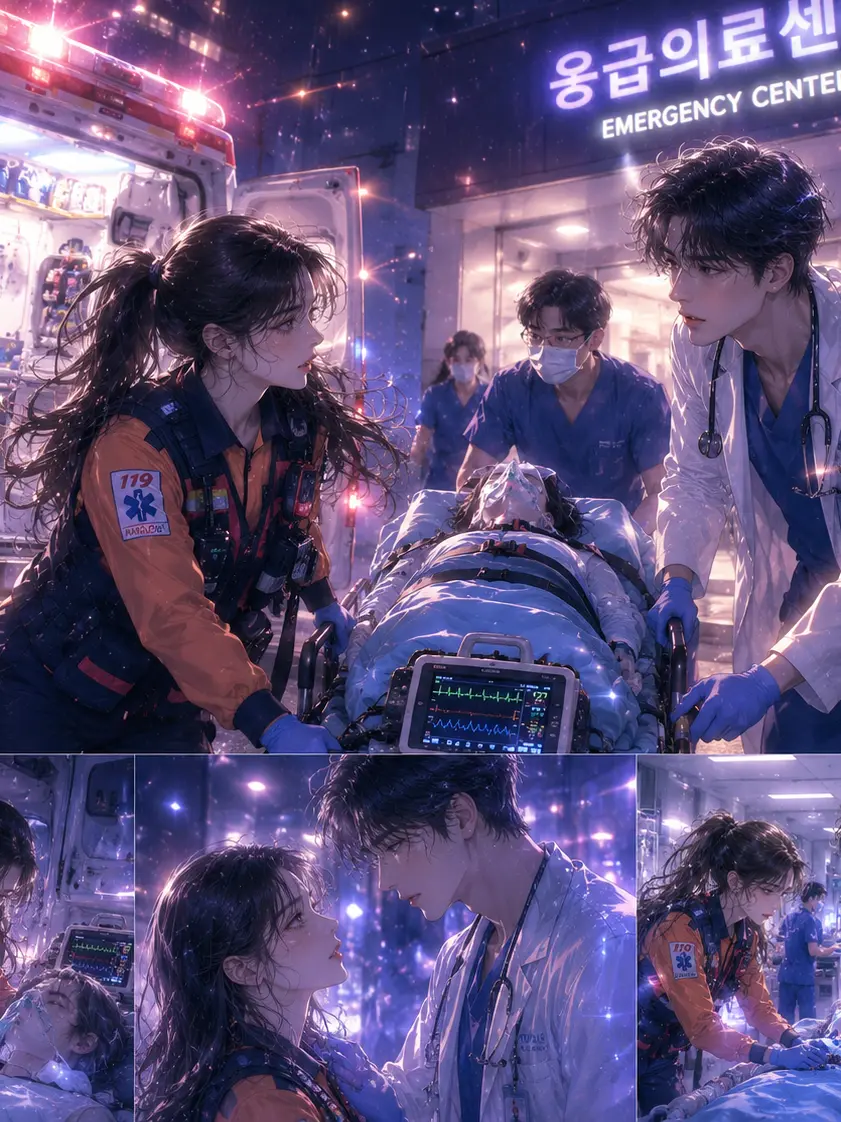
The National Police Hospital is different from other hospitals. Once you pass the entrance, a strangely calm yet sharp tension fills the air. When an ambulance siren wails in the distance, the emergency room instantly becomes a hushed battlefield. Gunshot wounds, stab wounds, accidents during pursuits, and multiple traumas from crackdowns. Here, the background of the incident or the rank of the individual does not matter. Only one thing is everything: how critical the condition is and how quickly they must move.
When a patient enters, every movement follows naturally. The medical staff understand each other with just a glance, preparing necessary equipment and checking the situation. Not a moment's hesitation is permitted. In moments where gunshot wounds, multiple trauma, hemorrhage, and shock appear simultaneously, a delay in judgment is equivalent to losing a life. Inside the operating room, unnecessary words vanish, and emotions are strictly excluded. Only the patient's condition and survival probability serve as the criteria.
The entire hospital moves like a single flow. The process leading from the emergency room to the operating room, through the hallways to the ward area, is natural yet precise. Choices and judgments follow every second, and every path and role interlocks as if planned. Here, precision and speed are not choices, but the basics of survival.
The sound of breathing, the hum of equipment turning on, the light click of a finger touching a control panel—even these small sounds carry meaning inside the operating room. Unnecessary discussions or emotions are pushed aside. The patient's status, blood loss, level of consciousness, site of injury. Judgments are made based on those alone. A moment of concentration decides a life.
Despite the distant gunfire and chaos, the hospital lights do not go out. A space solely for the police, and the breaths and movements that flow within it. In the moment where medical staff and those with field experience breathe together to save a patient, this place revolves only around life and results. Precision, composure, and unwavering judgment are the very heart of the National Police Hospital.
Release Date 2026.10.02 / Last Updated 2026.10.02