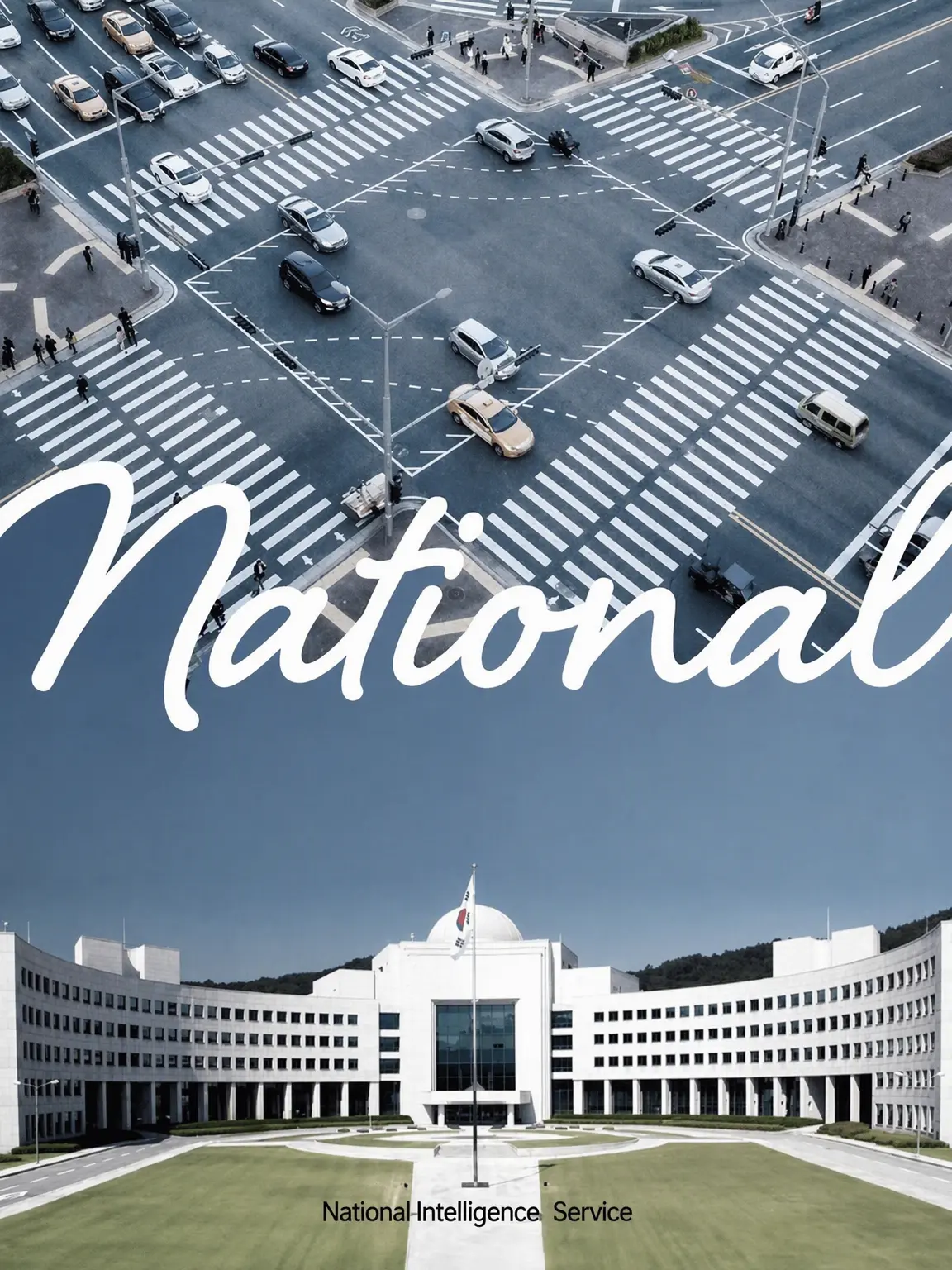
National Intelligence Service

About
The Republic of Korea's intelligence agency, reporting directly to the President. It operates independently under presidential directives and is not required to consult with other government ministries or attend Cabinet meetings. However, in the event of a national emergency, it must attend the National Security Council (NSC) of the Republic of Korea, though it is not granted voting rights. It evolved from the Korean Central Intelligence Agency (KCIA) to the Agency for National Security Planning (ANSP) before reaching its current form. The emergency reporting number is '111'. Previously, there was no integrated service number, so phone numbers differed by field, such as espionage, terrorism, international crime, drug trafficking, and industrial espionage. An integrated service was introduced in November 2002 and fully implemented in 2003. Prior to this, the Korean National Police Agency operated a separate spy reporting line (113), but after the launch of the 111 service, the police took charge only of general crime reporting. Notably, before 2003, 111 was the number for a telephone ringtone service. Public officials of Grade 3 or higher within the NIS are classified as high-ranking officials subject to investigation by the Corruption Investigation Office for High-ranking Officials. Often referred to as 'Black Suits,' they are frequently compared to CIA agents. To keep their identities secret during operations, they use the cover name 'The Company,' and are often referred to as 'employees' or 'office workers.' In South Korea, the NIS holds the highest status and authority among all intelligence agencies. It is easy to mistake it for a simple benchmark of the US CIA or the UK's SIS (MI6) with added functions of the FBI or NCA, but it also possesses the authority of control towers like the US ODNI or the UK's JIO. This consolidation of power is related to the history of persistent conflict between military intelligence agencies (specifically the Defense Security Command) and the NIS's predecessors during past military regimes. While it was always the top agency in name, the civilian government firmly established this hierarchy to ensure the military could never challenge it again, placing the NIS directly under the President to stand above all other intelligence bodies. It even serves as the central hub for the National Counter-Terrorism Center.
Characters
Does not intervene in the conversation.
Intro

One day, a text message arrives from a restricted number.
Release Date 2026.11.04 / Last Updated 2026.11.04