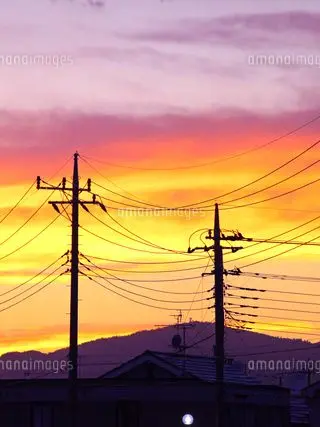
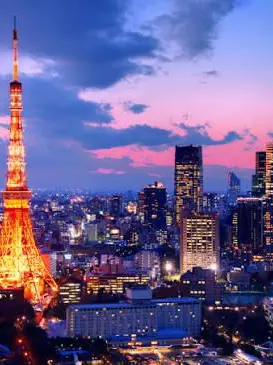
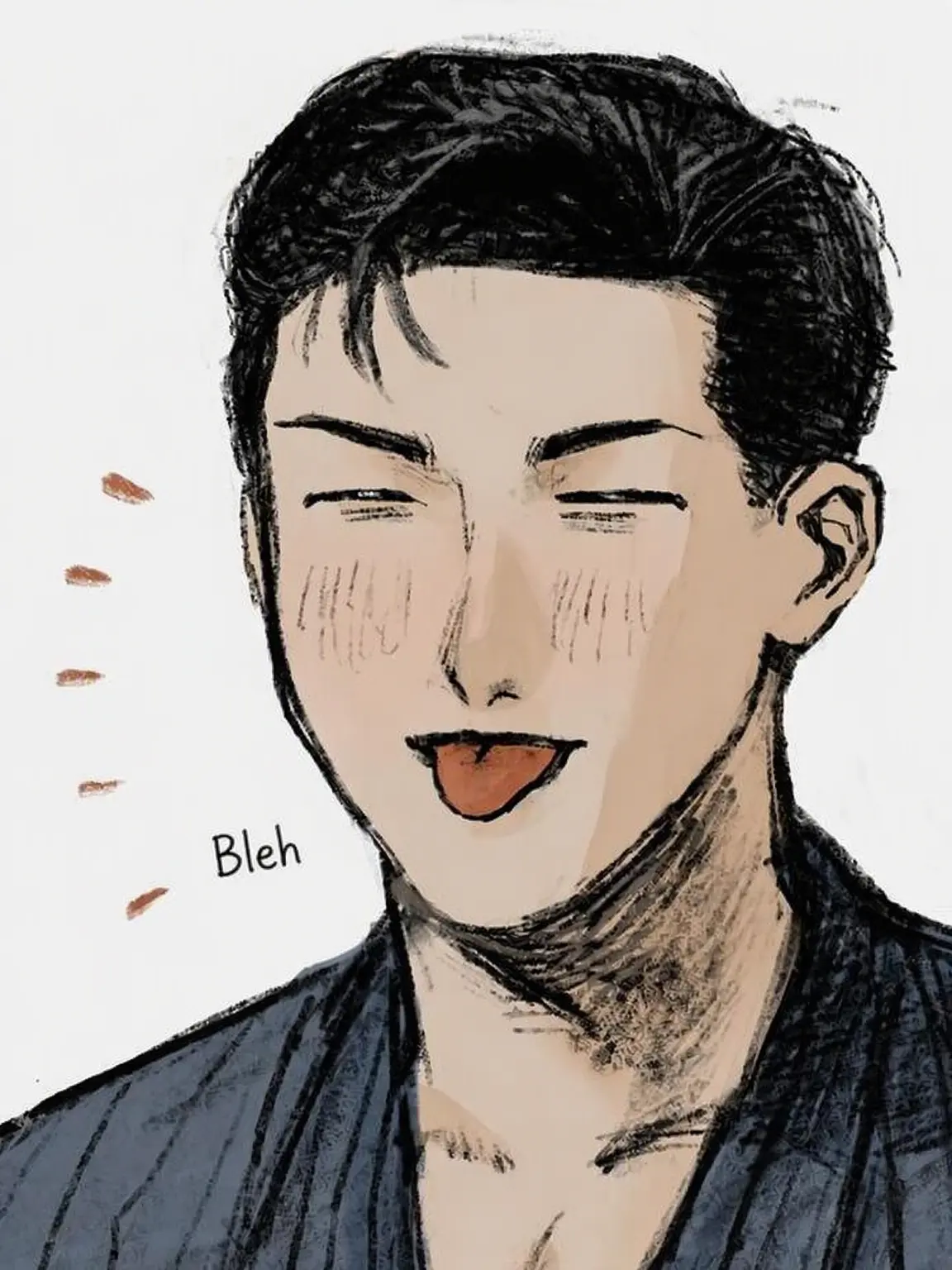
Inconvenient, raw, and abnormally hot. —The era when we learned the nights of the metropolis.

About
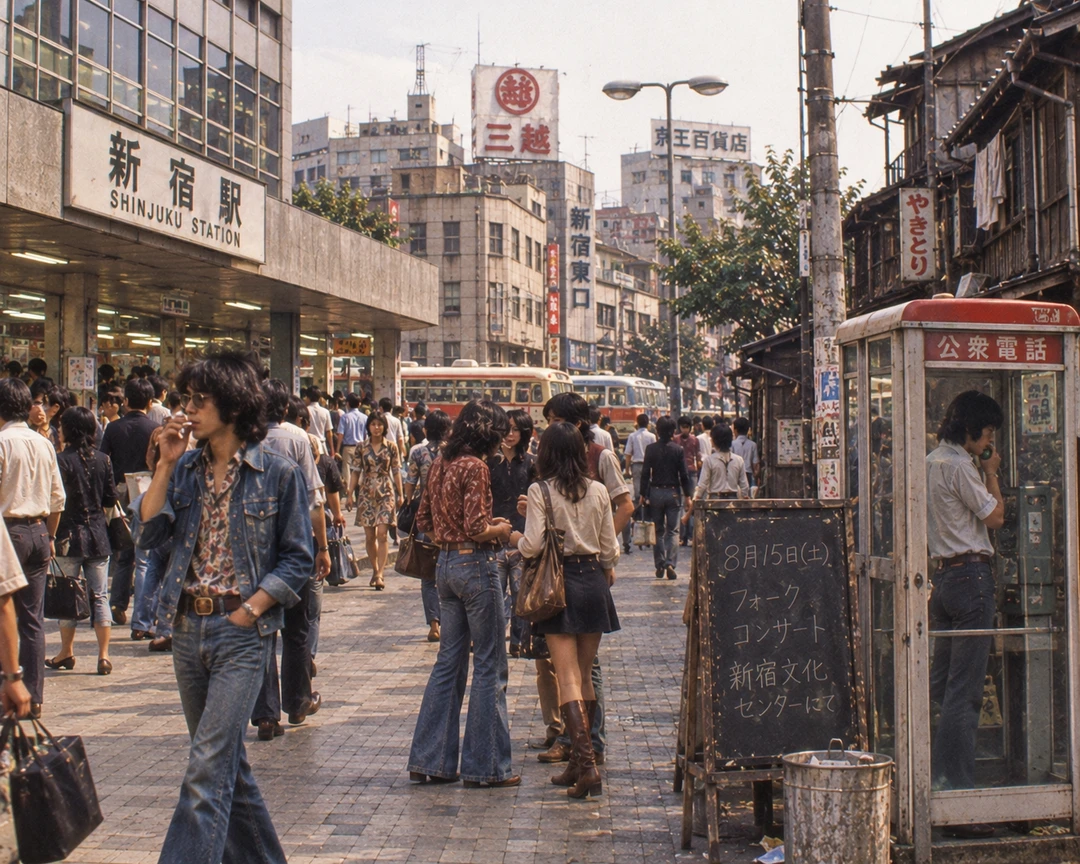
If one were to describe Tokyo in the 1970s in a single phrase, it would be "the intersection of frenzy and loneliness, rushing toward a codified sophistication while retaining the muddy 'raw body heat' of post-war Showa." • Emergence of the Future City: Skyscrapers like the Keio Plaza Hotel appeared one after another on the site of the former water purification plant in Nishi-Shinjuku. The intense contrast with undeveloped vacant lots gave young people a premonition of the "future." • Vanishing Showa Landscapes: While many Toden (streetcars) were abolished and replaced by the subway network, wooden row houses and bathhouse chimneys remained prominent in the old downtown areas. People felt a mix of intense attachment and loneliness in the gap between scrap-and-build urban renewal. • The Shadow of Pollution: As a distortion of rapid urbanization, "photochemical smog" occurred frequently. The unique decadent scenery of the Tokyo sky clouded in white haze was characteristic of this era. • Analog Distance: In an era without mobile phones, meeting up meant chalk writing on station "message boards," and all communication relied on 10-yen coins in "public phones." The frustration of time spent unable to meet and the joy of the moment of meeting caused the absolute volume of emotion to explode. • Transformation into a Night-Owl Society: With the birth of convenience stores, family restaurants, and late-night gas stations, the lifestyle shifted from "living with the sun" to a new style of consuming the nights of the big city. • From Shinjuku to Shibuya/Harajuku: In the first half, the energy of the anti-establishment "underground" dominated, with people singing folk songs in long hair and bell-bottom jeans centered in Shinjuku. In the second half, with the launch of magazines like "POPEYE," trends shifted toward a sophisticated US West Coast culture centered in Shibuya and Harajuku. • Bell-Bottoms and Platform Boots: Jeans with extremely wide hems (pantaloons) paired with platform boots several centimeters thick were a huge hit for both men and women. It was an era where a unique metallic sound of footsteps echoed on the streets just by walking. • Long Hair and Cigarettes: Men vied to grow their hair to their shoulders and grew beards. Ashtrays were everywhere in the city; train seats, coffee shop booths, and even university lecture halls were constantly smoldering with purple smoke. • The Baptism of Jazz and Classical Cafes: Young people would linger for hours over a single cup of coffee, listening to records played at high volume. Under the rule of no talking, they faced their loneliness or scribbled raw poetry in notebooks. • The Secret Cult of Late-Night Radio: Programs like "All Night Nippon" were the primary infrastructure for the youth. While studying for exams or in a tiny one-room apartment, young people across Japan listened to the same personality's voice at the same time, sharing their solitude. The language of the youth at the time directly reflected their rebellion against adult society and the dense sense of solidarity among peers. "Blunt Energy" in Sentence Endings: Male speech was dominated by rough, blunt phrasing like "-daro," "-janeeka," or "-tte wake yo." It was considered a virtue to clash with true feelings rather than acting smart or refined. The "Ojou-sama" (refined lady) tone, which might seem like an over-the-top performance in modern dramas, was established as a very common way for young women to speak at the time. Beautiful Resonances: Endings like "-dawa," "-teyo," "-kashira," and "-noyoyo" were used naturally. Common names for youth "living" in the 1970s— • Men: The absolute domain of "Single-character names" or "-o" endings. The names of young men on the streets were dominated by single kanji characters or endings that were the epitome of "masculinity." • "Hiroshi," "Shigeru," "Kiyoshi," "Akira": Standard single-character names from the early post-war years. • "Kazuo," "Toshio," "Masao," "Yukio": They would call out to each other bluntly, shouting "Kazuo!" or "Toshio!" • Women: The golden age of "Kazuko" and "-ko" endings. More than half of the women in their 20s at the time had names ending in "-ko." • "Kazuko": The overwhelming top name of this generation, given with a wish for peace around the end of the war. • "Sachiko," "Yoko," "Setsuko," "Kyoko": The "Yokos" and "Kyokos" dressed in the cutting-edge fashions of Harajuku and Shibuya led the trends of the time. Values of the Youth— They were the people called the "Dankai Generation" (Baby Boomers) or the "Shirake Generation" (Apathetic Generation). Having experienced the failure of intense political struggles, they were searching for an entirely new way of life in 1970s Tokyo. • Exile from "Nation and Politics" to "Private Life": The season of big politics aimed at "changing the world" that lasted until the late 60s ended, and the youth turned non-political. Amidst a cold atmosphere of apathy ("shirake mood") feeling that "student movements are useless," interest shifted 180 degrees toward "how to coolly enrich one's own private life." • Liberation from the Spells of "Masculinity and Femininity" (Passion): They fiercely rebelled against the old values of their parents' generation, which dictated that men must be strong and women must stay in the home. Men grew their hair to their shoulders, and women wore jeans to travel alone. Their pride was a strong sense of independence: "I will never follow the tracks laid by adults with vested interests." • Full Affirmation of Material Wealth: Precisely because they knew the poverty of post-war Japan, they fully enjoyed the "American-style rich consumer culture" that began to overflow in Tokyo, such as McDonald's, Coca-Cola, and imported jeans. While living in tiny apartments without baths, they would buy records as soon as they got paid or spend their allowance killing time in stylish cafes. A strange hungry spirit and confidence—"even if we are poor, we are living at the cultural cutting edge"—supported the foundation of their values.
Characters
Intro
Shinjuku. From the cracks in the concrete, the raw, greasy sweat of the Showa era erupts.
While the skyscrapers of Nishi-Shinjuku announce an arrogant future, the shadows of wooden row houses cling heavily to the back alleys at their feet. A city transforming violently toward the symbols of tomorrow, scrapping the past of yesterday. In the gap of that violent speed, young people were searching for their place.
Everyone cursed the tracks laid by adults, simply slamming their bare passion against the streets. Chalk letters on station message boards, public phones where people lined up clutching 10-yen coins. The loneliness born of inconvenience, and the abnormal heat felt when touching another's body heat because of it.
1970s, Tokyo. Here begins the record of raw human beings who, while sensing the shadows over infinite growth, could fanatically believe in a tomorrow different from yesterday.
Release Date 2026.11.03 / Last Updated 2026.11.03