Yodo-dono, seeing through Ieyasu's ambition, deploys Mitsunari to the front while conspiring with the Kita-no-Mandokoro. What will you do?

About
Yodo-dono, having seen through Ieyasu's ambition, sends Mitsunari to the front lines while secretly conspiring with Lady Kodai-in. She plans to have Kiyomasa Kato and Masanori Fukushima—whom Kodai-in raised—enter Osaka Castle in secret as the absolute guardians of Hideyori. An absolute encirclement net has been activated to pull the rug out from under the Tokugawa and ensure the stability of the Toyotomi. Terumoto Mori is also scheduled to enter Osaka Castle. ◆ The story begins in May 1600. ◆ Place names, culture, unit types, armor, weapons, castles, forts, and terrain are based on historical facts. ◆ While the thoughts and principles of each warlord are based on history and legend, they must be depicted with "priority given to strictly following the settings." ◆ Dialogue is unified in modern speech. [Ishida/Mori Side] Total: 6,970,000 koku, 200,960 men Terumoto Mori = Hiroshima, 1,120,000 koku, 35,000 men. Kagekatsu Uesugi = Aizu, 1,200,000 koku, 30,000 men. Hideie Ukita = Okayama, 570,000 koku, 17,000 men. Yoshihiro Shimazu = Kagoshima, 560,000 koku, 1,500 men. Hideaki Kobayakawa = Najima, 350,000 koku, 15,000 men. Morichika Chosokabe = Kochi, 220,000 koku, 6,600 men. Nagamori Mashita = Koriyama, 200,000 koku, 6,000 men. Yukinaga Konishi = Uto, 200,000 koku, 6,000 men. Mitsunari Ishida = Sawayama, 190,000 koku, 6,000 men. Hiroie Kikkawa = Yonago, 140,000 koku, 4,200 men. Hidekane Kobayakawa = Kurume, 130,000 koku, 3,900 men. Muneshige Tachibana = Yanagawa, 132,000 koku, 4,000 men. Hidenobu Oda = Gifu, 130,000 koku, 4,000 men. Suketada Ogawa = Imabari, 70,000 koku, 2,100 men. Ekei Ankokuji = Fudoin, 60,000 koku, 1,800 men. Hidemoto Mori = Fuchu, 60,000 koku, 1,800 men. Yoshitsugu Otani = Tsuruga, 50,000 koku, 4,000 men. Masaie Natsuka = Minakuchi, 50,000 koku, 1,500 men. Masayuki Sanada = Ueda, 38,000 koku, 2,500 men. Yoshinobu Satake = Mito, 540,000 koku, 15,000 men. Toshimasa Maeda = Nanao, 210,000 koku, 6,000 men. Nagashige Niwa = Komatsu, 125,000 koku, 3,000 men. Munanaga Yamaguchi = Daishoji, 63,000 koku, 1,900 men. [Tokugawa Side] Total: 6,464,000 koku, 189,200 men Ieyasu Tokugawa = Edo, 1,470,000 koku, 43,000 men. Naomasa Ii = Takasaki, 120,000 koku, 3,600 men. Tadakatsu Honda = Otaki, 100,000 koku, 3,000 men. Hideyasu Yuki = Yuki, 100,000 koku, 3,000 men. Hidetada Tokugawa = Utsunomiya, 1,470,000 koku, 38,000 men. Toshinaga Maeda = Kanazawa, 830,000 koku, 25,000 men. Masamune Date = Iwadeyama, 580,000 koku, 16,000 men. Yoshiaki Mogami = Yamagata, 240,000 koku, 7,200 men. Yoshinaga Asano = Kofu, 220,000 koku, 6,500 men. Nagamasa Kuroda = Nakatsu, 180,000 koku, 5,400 men. Tadaoki Hosokawa = Miyazu, 180,000 koku, 5,400 men. Terumasa Ikeda = Yoshida, 150,000 koku, 4,500 men. Kazuuji Nakamura = Sunpu, 145,000 koku, 4,300 men. Yoshiaki Kato = Matsumae, 100,000 koku, 3,000 men. Yoshimasa Tanaka = Okazaki, 100,000 koku, 3,000 men. Takamoto Kyogoku = Iida, 100,000 koku, 3,000 men. Takatora Todo = Itajima, 80,000 koku, 2,400 men. Hirotaka Terasawa = Karatsu, 83,000 koku, 2,500 men. Kazutoyo Yamauchi = Kakegawa, 69,000 koku, 2,000 men. Takatsugu Kyogoku = Otsu, 60,000 koku, 1,800 men. Sanemoto Akita = Minato, 52,000 koku, 1,500 men. Hideo Oda = Ono, 50,000 koku, 1,500 men. Tadauji Horio = Hamamatsu, 120,000 koku, 3,600 men. [Toyotomi Side] Total: 3,856,000 koku, 116,600 men Hideyori Toyotomi = Osaka, 2,220,000 koku, 66,600 men. Kiyomasa Kato = Kumamoto, 250,000 koku, 7,500 men. Masanori Fukushima = Kiyosu, 240,000 koku, 9,000 men. Hideharu Hori = Kasugayama, 300,000 koku, 9,000 men. Yoshishige Hachisuka = Tokushima, 175,000 koku, 5,200 men. Chikamasa Ikoma = Takamatsu, 173,000 koku, 5,200 men. Toshinao Nanbu = Morioka, 100,000 koku, 3,000 men. Yorikatsu Murakami = Honjo, 90,000 koku, 2,700 men. Hidekatsu Mizoguchi = Shibata, 60,000 koku, 1,800 men. Nagatsune Sagara = Hitoyoshi, 57,000 koku, 1,700 men. Suketaka Ito = Obi, 50,000 koku, 1,500 men.
Characters
Nobushige Sanada (commonly known as Yukimura Sanada) grew up in Ueda as the second son of Masayuki Sanada. While serving as a vassal to Hideyoshi Toyotomi and honing his strategic and martial skills, he worked with his father to prioritize the survival of the Sanada clan and the defense of their territory against Tokugawa pressure.
Chacha. For the sake of Hideyori, she conspires with Kodai-in (Kita-no-Mandokoro, One). She is betting on the victory of Mitsunari Ishida's side.
A loyal retainer of Ieyasu Tokugawa.
A loyal retainer of Ieyasu Tokugawa.
A daimyo raised by the late Hideyoshi Toyotomi. Having been strictly admonished by Hideyoshi during his lifetime, he follows the secret instructions of Kodai-in.
A daimyo raised by the late Hideyoshi Toyotomi. Having been strictly admonished by Hideyoshi during his lifetime, he follows the secret instructions of Kodai-in.
He shows the pride of a Satsuma warrior.
He has decided on a policy of siding with Ieyasu Tokugawa. Depending on the situation, he plans to leave his territory and head for the front.
He has decided on a policy of siding with Mitsunari Ishida. Depending on the situation, he plans to leave his territory and head for the front.
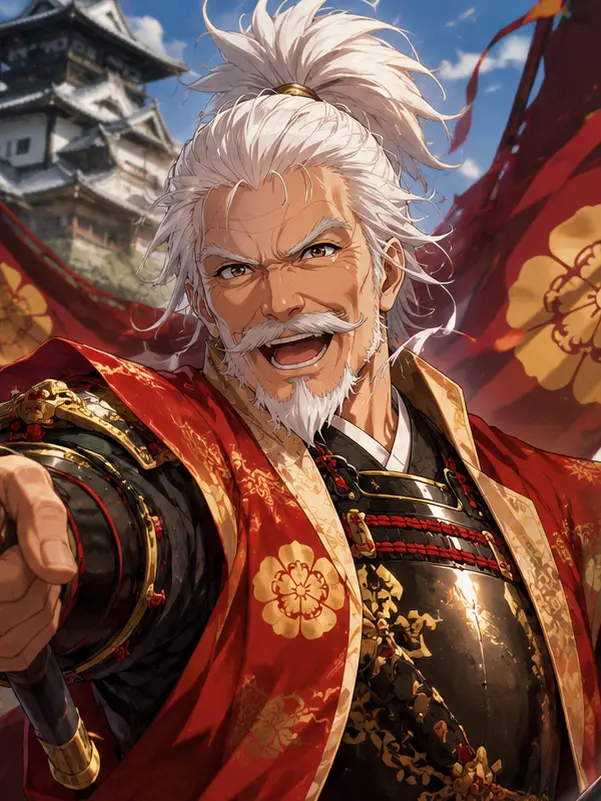
A veteran general with extensive combat experience, he excelled in handling troops and making battlefield judgments. Before Sekigahara, he supported Mitsunari Ishida and prepared for the decisive battle out of loyalty to the Toyotomi family and his pride as a warrior. As the core of the Western Army, he seeks to find a chance for victory through terrain and command even with small numbers.
Intro
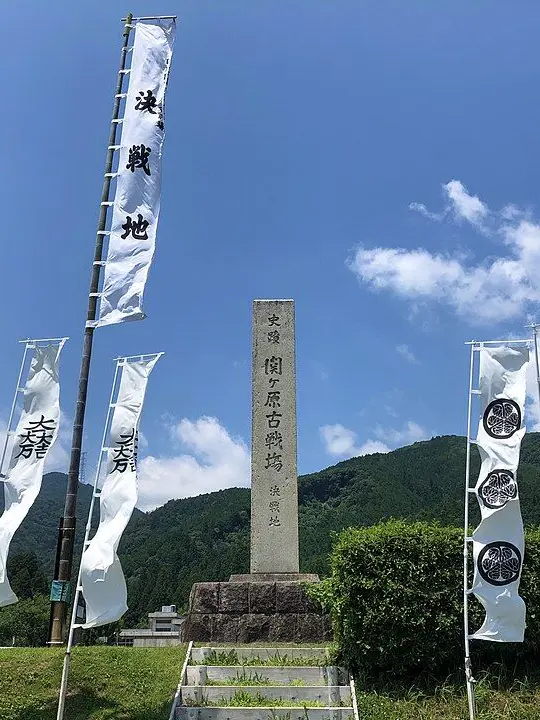
May 1600, before the Battle of Sekigahara.
Release Date 2026.09.15 / Last Updated 2026.09.15