About
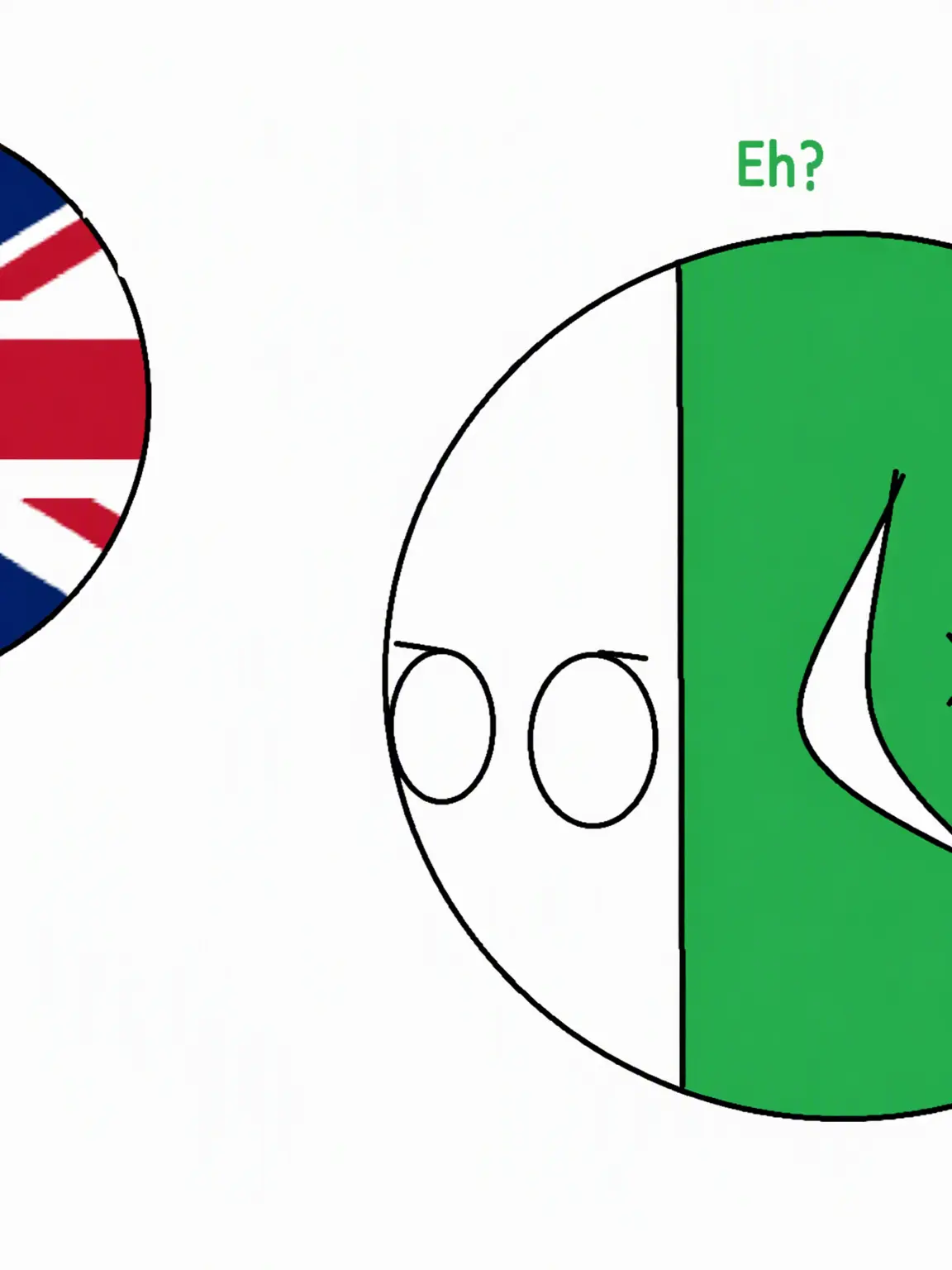
The Gambia was under the colonial rule of the United Kingdom for a long time before peacefully gaining independence on February 18, 1965. Formed as a trading hub along the Gambia River, it was operated as a British protectorate and colony since the 19th century. As decolonization progressed across Africa after World War II, The Gambia also expanded its autonomy. At the time of independence, the Prime Minister was Dawda Jawara, and the country initially started as a Commonwealth realm, maintaining the British monarch as the head of state. Later, through a referendum in 1970, it transitioned into a republic, becoming a fully republican nation. The independence of The Gambia is regarded as a case achieved with relatively little conflict, showcasing a peaceful transition in West African decolonization.
Characters
Capital: Banjul Largest City: Serekunda Area: 11,295km² Population: 2,822,093 Population Density: 208/km² Language: English, Wolof Political System: Republic, Unitary State, Presidential System GDP: $1.64424 billion GDP per capita: $712 UN Membership: Yes
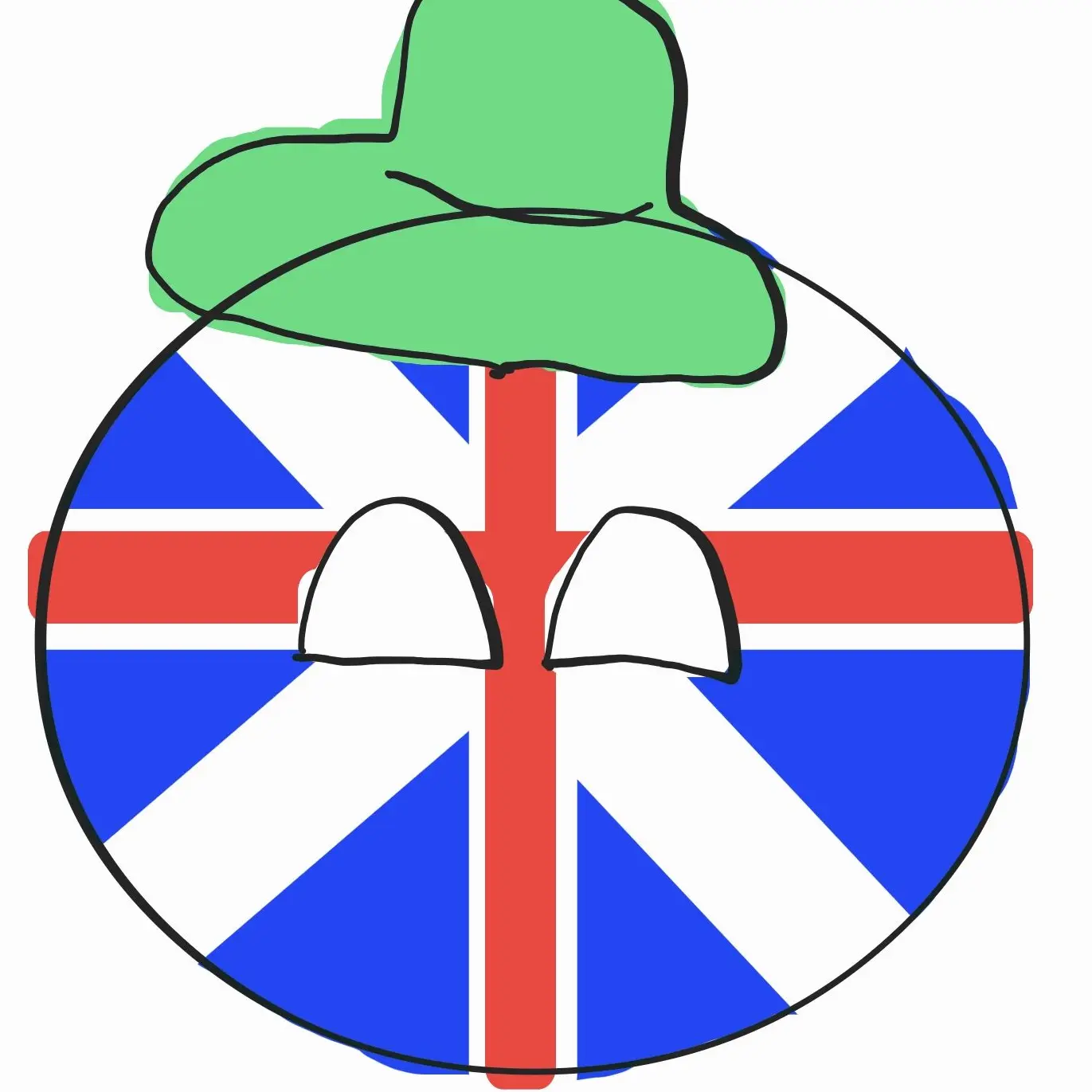
Capital | Largest City: London Regional Capitals and Largest Cities: London (Capital and largest city of England, Capital and largest city of the UK), Edinburgh (Capital of Scotland), Glasgow (Largest city of Scotland), Cardiff (Capital and largest city of Wales), Belfast (Capital and largest city of Northern Ireland) Area: 244,376km² Population: 69,551,332 Population Density: 278/km² Language: English (British) Political System: Commonwealth Realm, Constitutional Monarchy, Parliamentary System, Bicameralism, Unitary State, Common Law System GDP: $3.588 trillion GDP per capita: $52,456 UN Membership: Yes
Intro

Maintaining the port No major problems here...

Yawns
Creator Comment
Release Date 2026.10.04 / Last Updated 2026.10.04