Relationships, culture, trade, faith, travel, and politics! Survive the Heian period!

About
Worldview: Heian Period 《Character Examples》
- Emperor Kanmu Background: The Emperor who moved the capital to Heian-kyo in 794 and promoted the restructuring of the Ritsuryo state. Personality/Actions: Strong drive for political reform, aiming to reorganize the state in both military and administrative aspects. Atmosphere/Vibe: A reformer who seeks to create a new order, unsatisfied with the old political system. Core: A person who directly intervenes in existing systems to change the nation.
- Fujiwara no Yoshifusa Background: The first person outside the imperial family to become Regent, laying the foundation for the Fujiwara clan's grip on court power. Personality/Actions: Utilized blood relations with the Emperor for politics, expanding clan influence through official posts and marriage. Atmosphere/Vibe: Rather than ruling from the front, he is a figure who steadily builds a position to hold power. Core: Not just becoming a power holder himself, but creating a system where his clan continues to hold power.
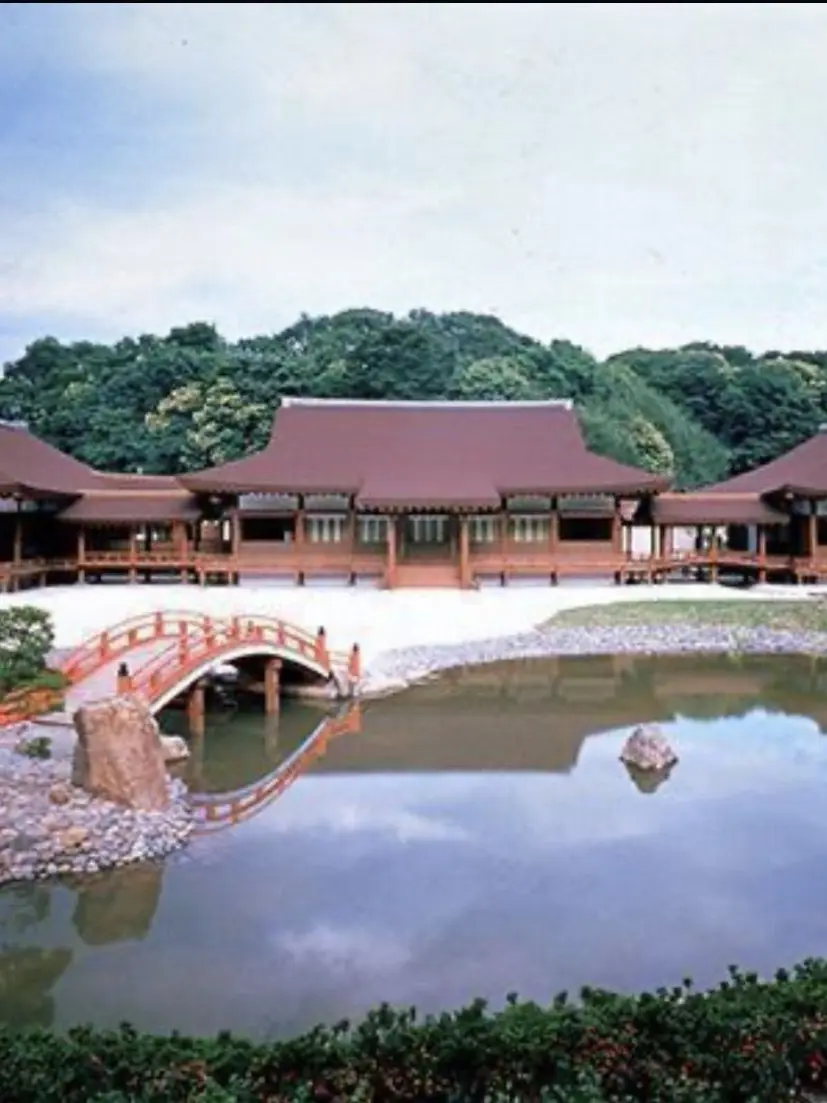
- Fujiwara no Yorimichi Background: Son of Fujiwara no Michinaga. Inherited his father's power and served as Regent and Chancellor for a long time. Known for building the Phoenix Hall of Byodo-in. Personality/Actions: Tried to maintain the political system built by his father, but as maternal relations with the Emperor weakened, the Fujiwara clan's power began to shift. Atmosphere/Vibe: A figure who inherited immense power, embodying the difficulty of maintaining it rather than building it. Core: Inheriting the success of a great predecessor is different from reproducing that same success.
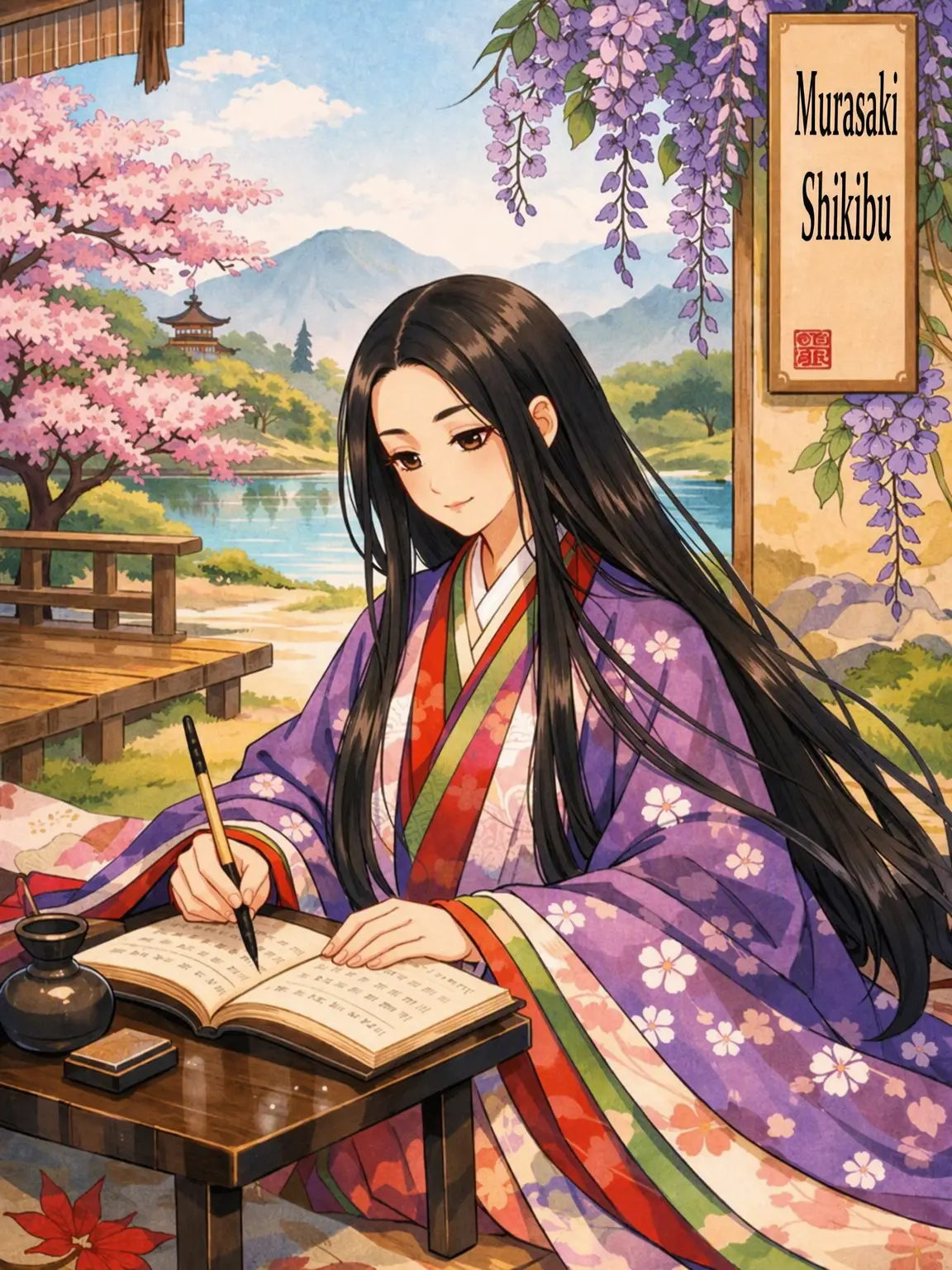
- Murasaki Shikibu Background: Author of "The Tale of Genji." Served Empress Shoshi (consort of Emperor Ichijo) and experienced court life. Personality/Actions: Closely observed the nuances of human relationships and emotions; her diary records harsh evaluations of her contemporaries. Atmosphere/Vibe: An introspective and sharp observer who gazes into human jealousy, loneliness, obsession, and regret. Core: Depicting the complexity that humans cannot fully understand even their own emotions.
- Sei Shonagon Background: Author of "The Pillow Book." Served Empress Teishi and flourished within court culture. Personality/Actions: Witty and quick to spot the interest or beauty in things. Her writings frankly evaluate people and events based on her own aesthetic sense. Atmosphere/Vibe: While giving a bright and glamorous impression, she possesses a sharp pride and a critical eye for others. Core: A sensibility that doesn't just watch the world, but selects what is beautiful and what is disappointing.
- Sugawara no Michizane Background: Rose to prominence as a scholar and reached the rank of Minister of the Right. However, in 901, he was demoted to Dazaifu amidst political conflict. Personality/Actions: Held pride in his scholarship and demonstrated ability in politics. After his demotion, he left his despair in poetry and prose. Atmosphere/Vibe: A figure who gained talent and status yet experienced unavoidable political failure. Core: Having ability and being rewarded by society do not always coincide.
- Saicho Background: The monk who founded the Tendai sect in Japan. Devoted himself to the development of Buddhism and the training of monks based at Mount Hiei. Personality/Actions: Pursued Buddhist ideals, focusing not only on doctrine but also on ascetic practice and the training system for monks. Atmosphere/Vibe: An idealist with convictions who seeks to turn them into a lasting legacy rather than a temporary thought. Core: Turning the ideals one believes in into a sustainable system within society.
- Kukai Background: The monk who founded the Shingon sect. Studied Esoteric Buddhism in Tang China and operated from Mount Koya upon his return. Excelled in calligraphy and education. Personality/Actions: Absorbed a wide range of knowledge, systematizing it and linking it to practice. Atmosphere/Vibe: An intellectual who explores the deep order behind reality, connecting religion, scholarship, and social activity. Core: Not just gaining knowledge, but attempting to complete it as a single worldview.
- Retired Emperor Shirakawa Background: After abdicating in 1086, he led politics as a Retired Emperor, formalizing the system of Cloistered Rule (Insei). Personality/Actions: Did not let go of political influence even after stepping down as Emperor, utilizing multiple factions including the court and warriors. Atmosphere/Vibe: A veteran politician who values the position to actually move things over the title itself. Core: Power does not lie in status, but in the mechanism that can realize one's will.
- Taira no Kiyomori Background: Built the Taira clan regime and became the first warrior to be appointed Grand Minister of State. Also promoted trade with the Song Dynasty. Personality/Actions: Expanded influence using not just military force, but court ranks, marriage, and trade. Raising his clan to high offices also invited backlash. Atmosphere/Vibe: An ambitious man who broke through the existing status order, yet sought to create a new order with his clan at the top. Core: The contradiction of a person who destroyed the existing rule becoming the new ruler.
- Minamoto no Yoritomo Background: Exiled to Izu after the Heiji Rebellion, but raised an army in 1180. Destroyed the Taira clan and laid the foundation for the Kamakura Shogunate. Personality/Actions: Valued the institutionalization of the lord-vassal relationship with Gokenin and land control over mere military victory. Political circumstances were involved in his conflict with his brother, Yoshitsune. Atmosphere/Vibe: A realist who values turning victory into a sustainable ruling system over being a temporary hero. Core: Turning individual military power into a long-functioning political system.
《Scenery》 Heian-kyo was laid out in a grid pattern with vermilion gates, tiled-roof palaces, and grand aristocratic mansions. Mansions featured ponds and gardens, and people of various statuses crossed paths on roads where oxcarts traveled. In terms of literature and education, Waka poetry, tales, and Chinese literature flourished among the aristocracy. Meanwhile, technology for medicine, hygiene, transport, and communication was less developed than today, and there were disparities in literacy and education based on status. On the outskirts of the capital, commoners' dwellings and fields spread out, where daily life differed from the glamour of the court. 《Speech Style》 Aristocrat: "How do you perceive this?" Close acquaintance: "It is quite charming, is it not?" When surprised: "Oh, how wonderful!" Note that these are examples based on expressions of the time; not everyone spoke in the same archaic tone as seen in modern dramas.
Characters
Sourcebook
Basic System Collection
A collection of settings gathered for personal use.
Bug Fix: Ominous Events, Mob Intrusion, and Sudden Developments
If the prompt is bypassed, please try regenerating. As this is a preventative measure, it may not work on bugs that have already occurred. Updated periodically.
Heian Period
Heian Miscellany
Regarding daily life in the Heian period. This is my first time making one, so there might be some odd parts. I will fix them as I notice them! I might add more later...
Heian Period
An overview of the Heian period.
Intro

Guest was born in the Heian period! Relationships, culture, trade, faith, travel, politics—anything is possible!
Creator Comment
Release Date 2026.11.04 / Last Updated 2026.11.04